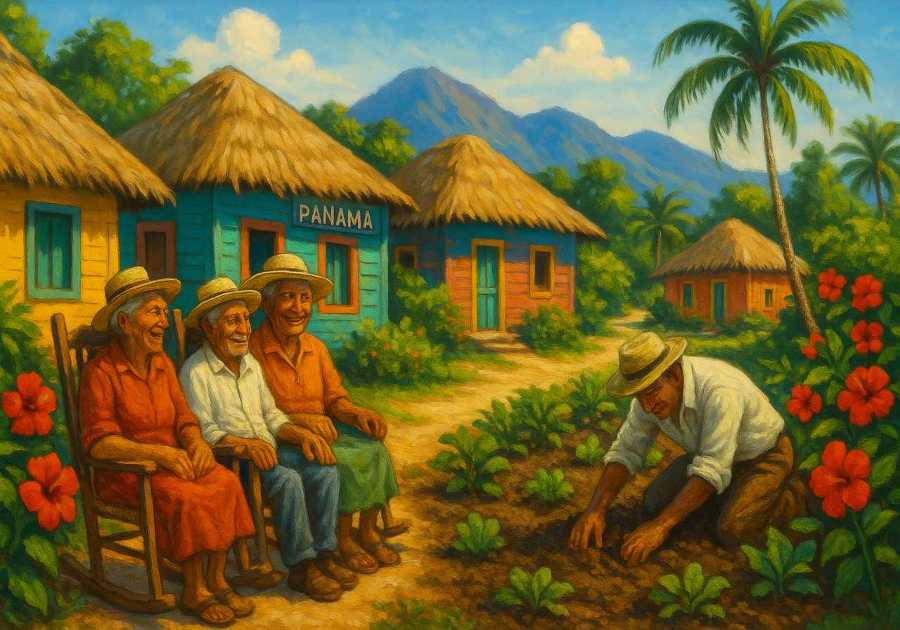
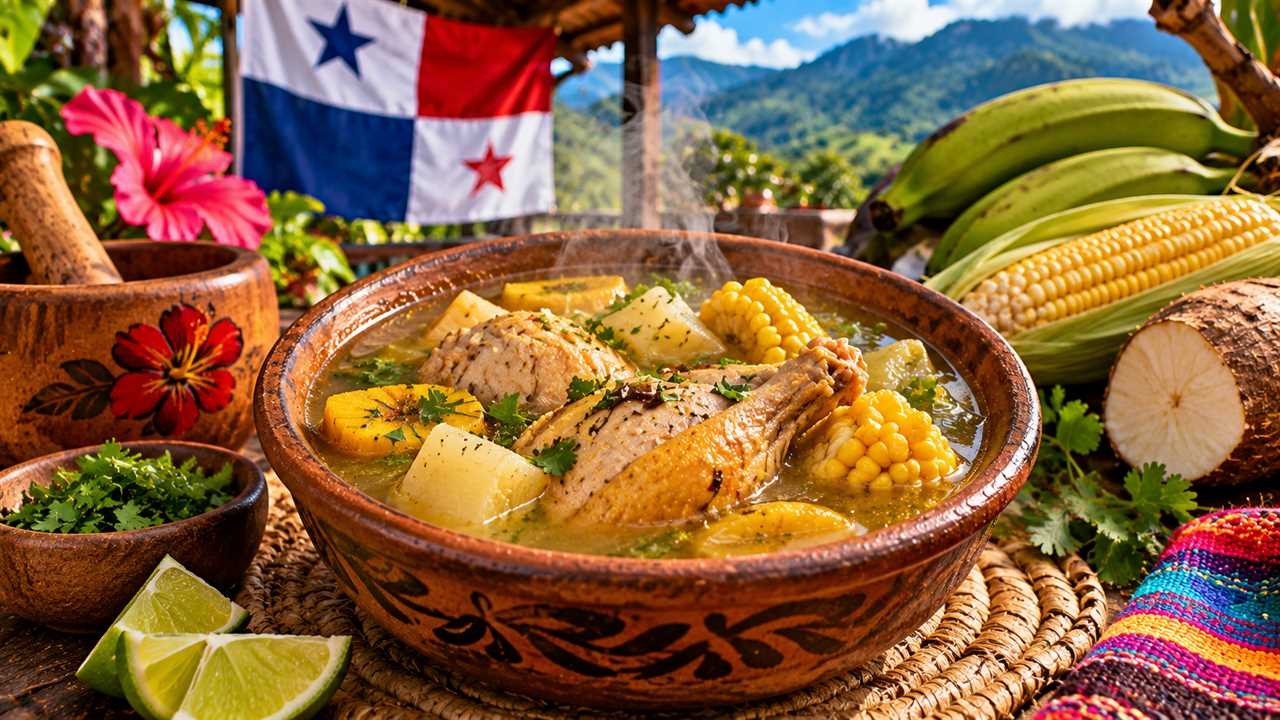
When you think about Panamanian cuisine, sancocho likely comes to mind as a defining dish. It's not just a stew; it’s a reflection of the country's rich cultural history and community spirit. Each ingredient plays a role, drawing on indigenous, African, and Spanish influences. As you explore the depths of sancocho, you’ll uncover stories of resilience and connection that make this dish truly special. What makes it resonate so deeply with those who enjoy it?
The Origins of Sancocho: A Historical Perspective
Although many people associate sancocho with home-cooked comfort, its origins trace back to the indigenous cultures of Panama and the broader region.
This hearty stew reflects a blend of traditions, with influences from African, Spanish, and indigenous cooking practices. You’ll find that sancocho embodies the spirit of community and sharing, often served during gatherings and celebrations.
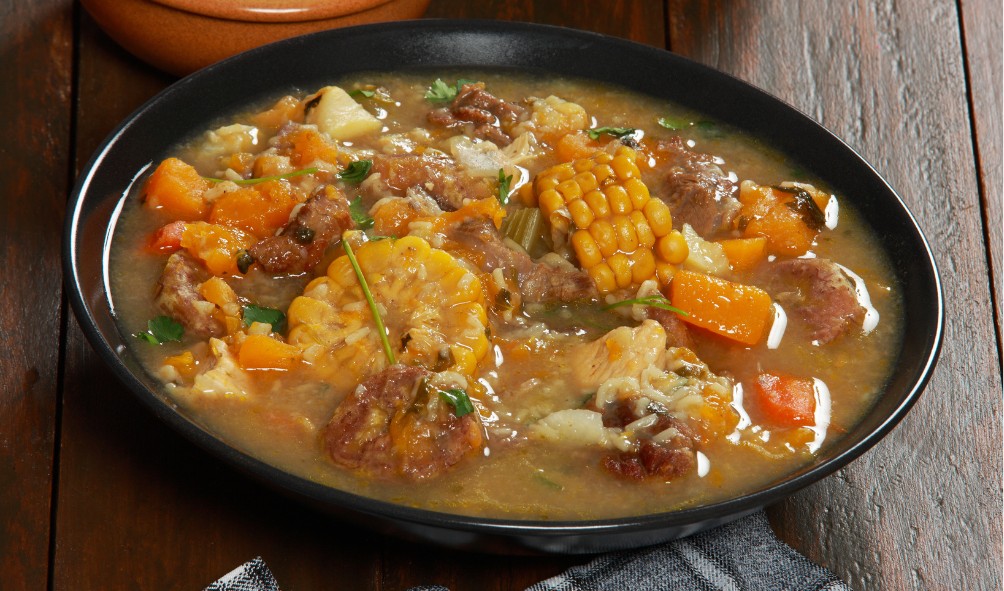
The dish's evolution showcases how diverse cultures intertwined, giving it a unique identity. As you explore its history, you’ll discover that sancocho isn’t just a meal; it’s a story of resilience and adaptation.
Each bowl you enjoy carries the weight of generations, reminding you of the rich tapestry of Panamanian heritage that continues to thrive today.
Key Ingredients: The Building Blocks of Flavor
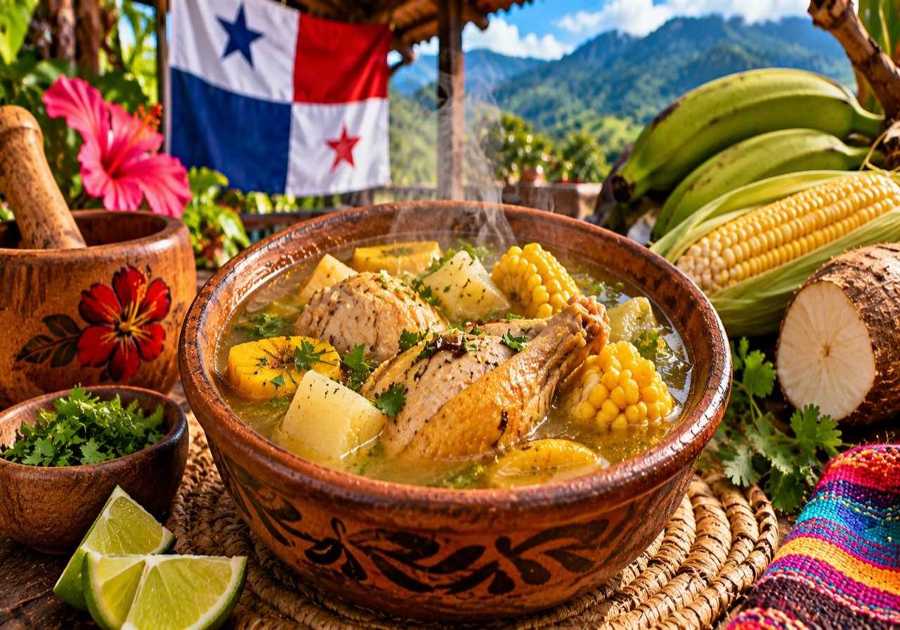
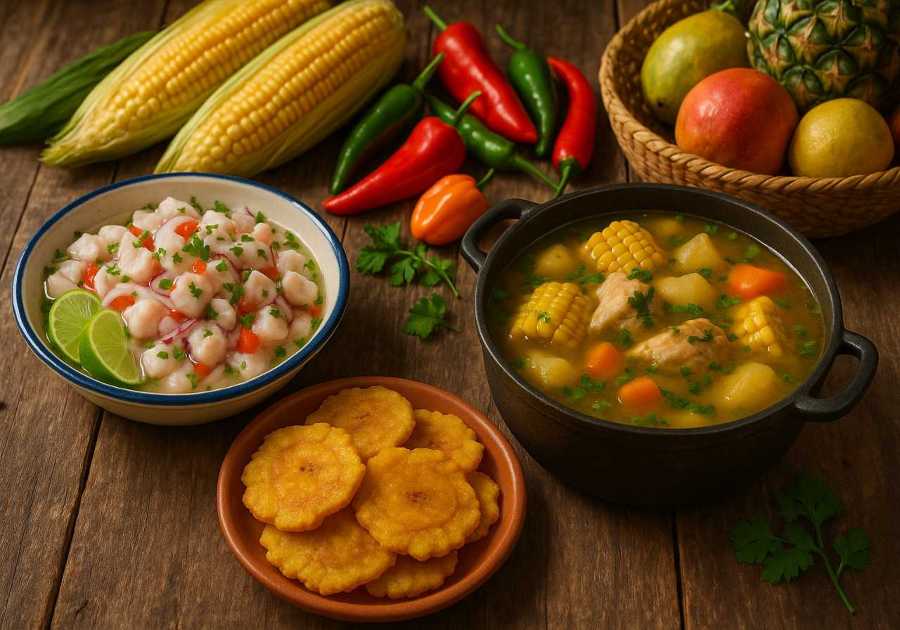
When you dive into making sancocho, you'll quickly realize that its rich and comforting flavor comes from a few key ingredients that form the backbone of this beloved dish. At the heart of sancocho is chicken, which adds depth and a savory base.
Next, you’ll find culantro, a herb that gives the soup its signature aroma and flavor. Add in starchy vegetables like yuca and corn, which provide texture and heartiness.
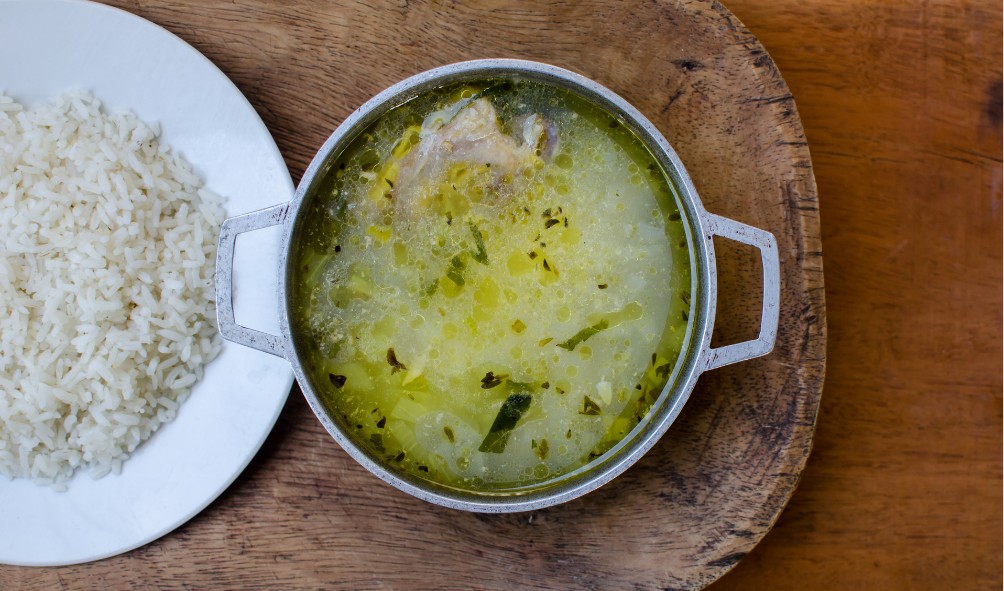
Don’t forget the onion, garlic, and bell pepper, as they create a fragrant foundation. A touch of lime juice enhances the freshness, balancing the flavors beautifully.
Together, these ingredients come together to make sancocho a true representation of Panama’s culinary soul, inviting you to savor every bite.
Cooking Techniques: Crafting the Perfect Sancocho
To craft the perfect sancocho, you’ll want to start with a well-thought-out approach that highlights each ingredient’s unique qualities.
Begin by sautéing your aromatics—onions, garlic, and bell peppers—in a large pot. This step builds a flavorful base. Next, add your choice of meat, letting it brown slightly for added depth.
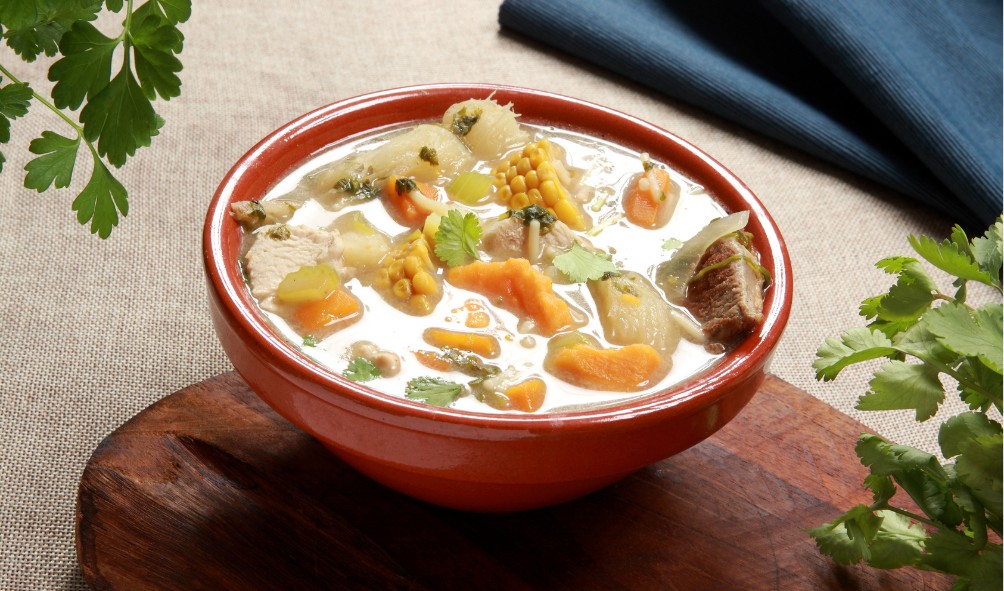
Pour in the broth, bringing everything to a gentle simmer. Don’t rush; let the flavors meld together. As you add the root vegetables, like yucca and plantains, be mindful of their cooking times to ensure they’re tender but not mushy.
Finally, stir in fresh herbs like cilantro for a vibrant finish. Taste and adjust seasoning, and you’ll have a warm, comforting sancocho that brings everyone together.
Regional Variations: Sancocho Across Panama
Sancocho is more than just a dish in Panama; it’s a cultural tapestry woven from the country’s diverse regions.
Each area adds its unique twist, making every bowl a reflection of local ingredients and traditions. In the highlands, you might find a heartier version, featuring chicken and root vegetables like yam.
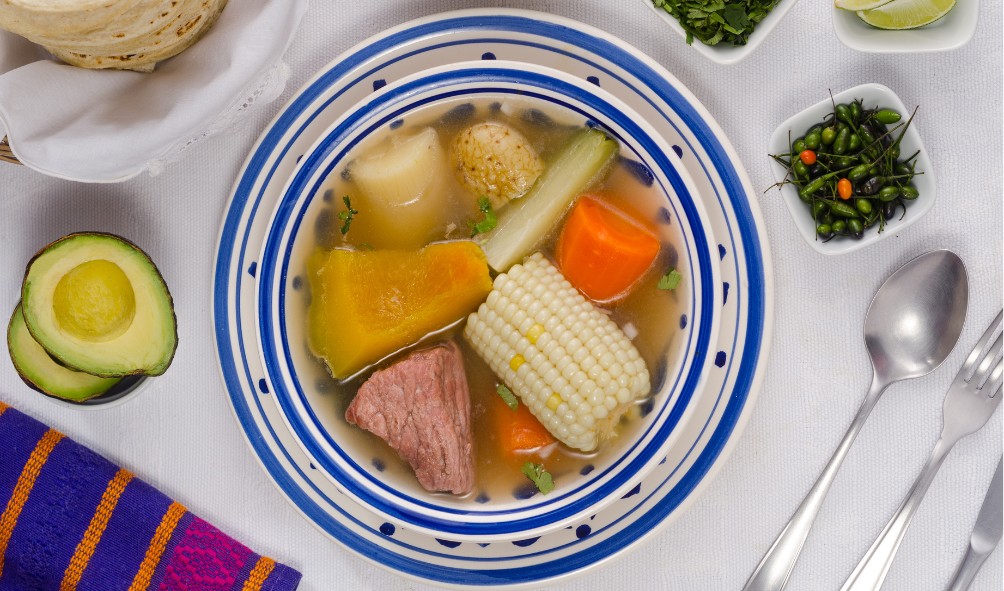
On the coasts, seafood often takes center stage, with fish and shellfish enhancing the broth’s flavor. The Ngäbe-Buglé community incorporates their own spices and herbs, creating a vibrant, aromatic experience.
In urban centers, you’ll discover variations that blend influences from Caribbean and Latin American cuisines.
No matter where you are, sampling sancocho is a delicious way to connect with Panama’s rich culinary heritage.
Sancocho in Panamanian Culture: More Than Just a Meal
In Panama, sancocho represents more than just a dish; it embodies the spirit of community and tradition. When you gather around a pot of this hearty soup, you’re not only sharing a meal but also creating lasting memories.
Families often cook sancocho together, passing down recipes and stories through generations. It's common to see neighbors joining in, making the experience even richer.
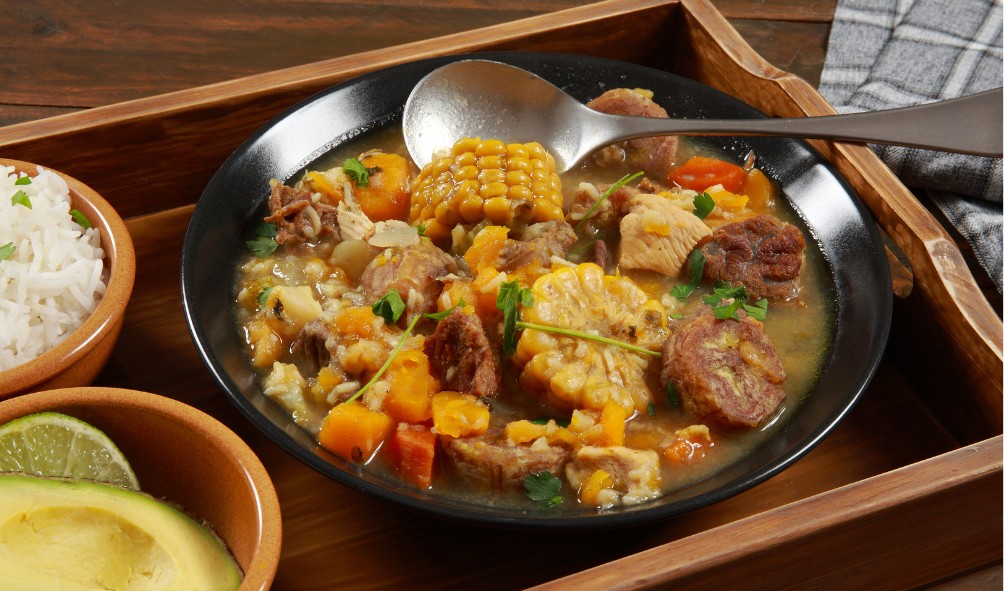
You might find sancocho at celebrations, family gatherings, or even during hard times, providing comfort and connection. Each bowl serves as a reminder of your roots and the bonds you share with others.
In this way, sancocho transcends mere nourishment; it’s a celebration of life, love, and the Panamanian way of being.
Conclusion
Sancocho isn’t just a dish; it’s a celebration of Panamanian culture and history. As you savor its rich flavors and warmth, you’re connecting with generations of families who’ve gathered around the pot. Whether you’re enjoying a bowl at a festive gathering or making it at home, you’re part of a tradition that embodies resilience and community. So, grab a spoon, share a meal, and embrace the spirit of sancocho—it's a taste of Panama’s heart and soul.
Statistics
- Sancocho is considered one of the most traditional and beloved dishes in Panamanian cuisine, with over 70% of Panamanians enjoying it regularly at family gatherings and celebrations.
- The main ingredients of Panamanian sancocho typically include chicken, yuca, corn, and culantro, with culantro being used in more than 85% of authentic recipes to give the dish its distinctive flavor.
- Surveys indicate that sancocho ranks among the top three most popular soups in Panama, enjoyed by over 75% of the population year-round, emphasizing its role as a culinary staple.
- The preparation time for traditional Panamanian sancocho averages around 2 to 3 hours, reflecting the care and attention given to creating its rich and layered flavors.
External Links
- NPR: Sancocho, a Soulful Soup from Panama - Discusses the cultural importance of sancocho and its comforting qualities within Panamanian communities.
- Lonely Planet: Sancocho Recipe - Shares a traditional recipe alongside cultural notes about sancocho’s role in Panamanian society.
- Cooking Channel: Sancocho de Pollo Recipe - Presents a step-by-step guide to making chicken sancocho, a popular variant in Panama.
- The Spruce Eats: Panamanian Sancocho Recipe - Features a comprehensive recipe and tips for preparing authentic Panamanian sancocho at home.
How To Use Culantro to Enhance the Flavor of Sancocho
Culantro is a key herb in Panamanian sancocho and using it correctly maximizes its unique flavor. To enhance your sancocho, add fresh culantro leaves early in the cooking process, allowing the herb to infuse the broth thoroughly. Avoid overcooking culantro, as prolonged heat can diminish its aroma. If fresh culantro is unavailable, dried culantro can be used, but fresh is preferred for authenticity. Adding culantro at the right time brings out the earthy and slightly citrusy notes that define Panamanian sancocho’s soul.
Want to travel with more time and freedom?
The freedom to travel! Discover free & unique homestays around the world, in exchange for caring for adorable pets.
https://escapetomexiconow.com/ths
Recommended Resources:
Ready to explore life beyond borders? Check out our trusted guides to Mexico, Panama, and the Philippines — your gateways to new adventures, culture, and opportunity.
https://escapetomexiconow.com/
https://escapetomexiconow.info/
https://escapetopanamanow.info/
https://escapetothephilippinesnow.com/
YouTube Channel:
See Mexico like never before! From local culture to travel hacks, our YouTube channel brings the adventure straight to you.
https://www.youtube.com/@EscapeToMexicoNow