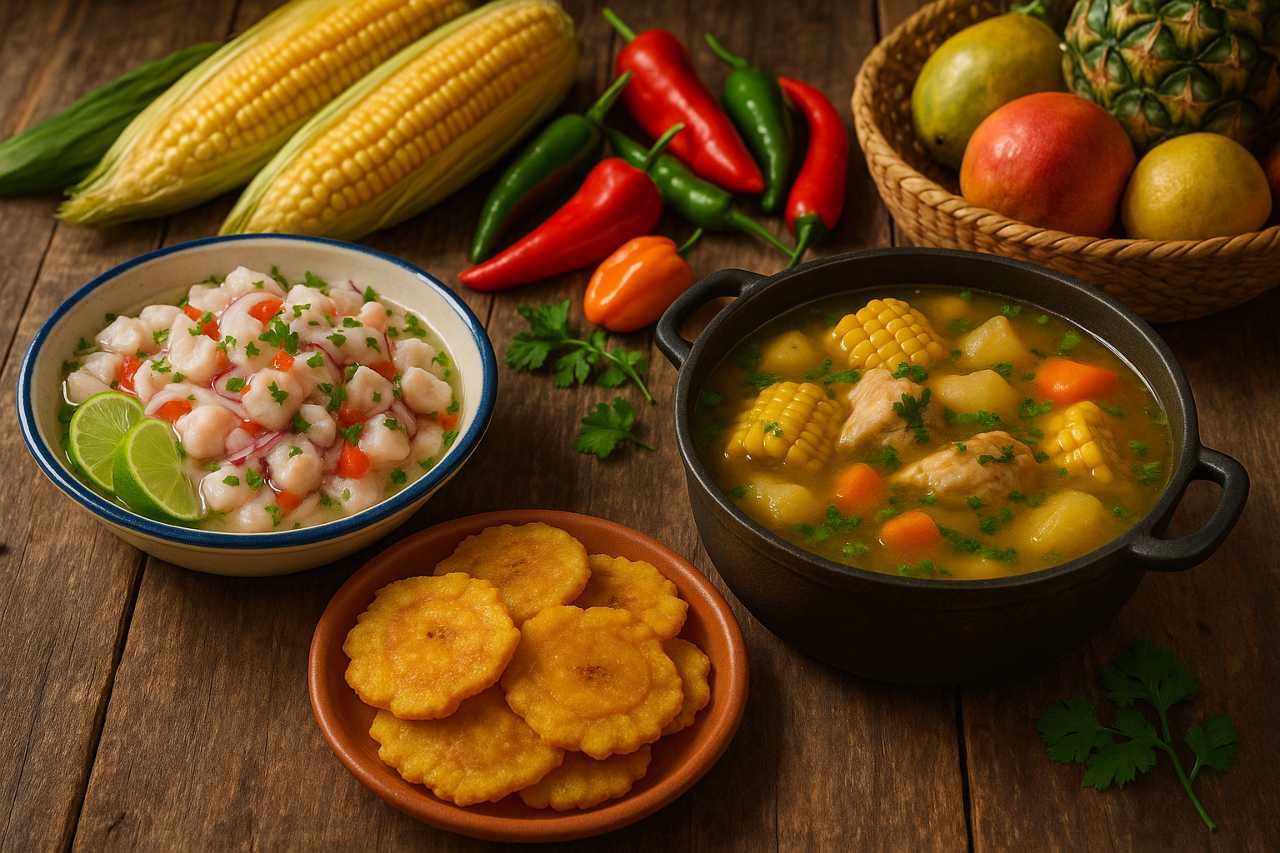
When you think about Panama's culinary traditions, you're really exploring a rich landscape of flavors that stretch from the coast to the highlands. You’ll find that each region offers something unique, whether it’s the freshness of seafood or the heartiness of mountain dishes. This blend of influences creates a vibrant food culture, but there’s much more to uncover. What hidden gems and traditions are waiting to be discovered in this diverse culinary journey?
The Coastal Delights: Seafood and Tropical Flavors
When you think of Panama, the rich coastal flavors immediately come to mind, thanks to its abundant seafood and tropical ingredients. Fresh fish like corvina and tuna, alongside succulent shrimp, form the backbone of many dishes.
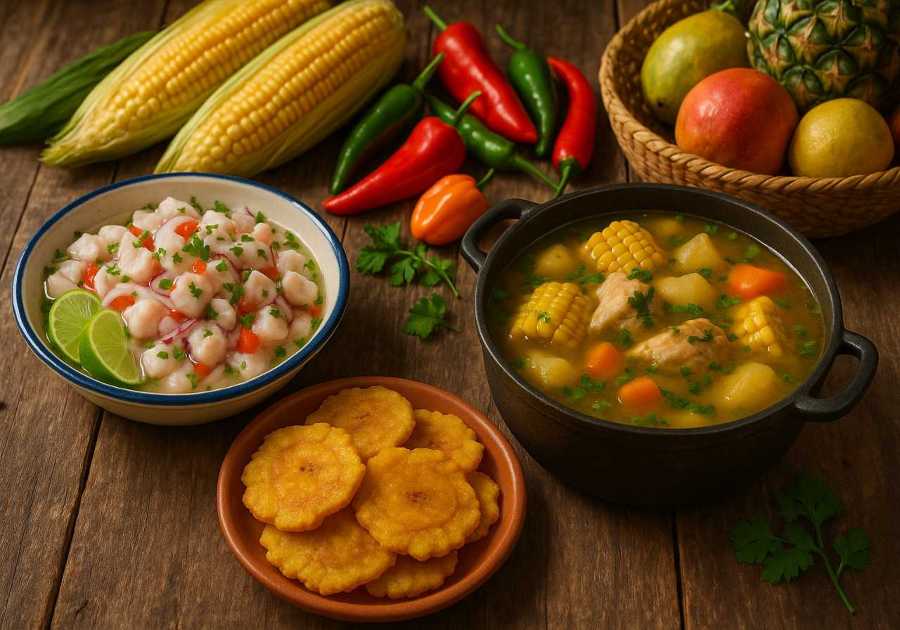
You’ll savor ceviche, marinated in tangy citrus juices, bursting with the taste of the ocean. Pair that with coconut rice, and you’ve got a meal that captures the essence of the coast.
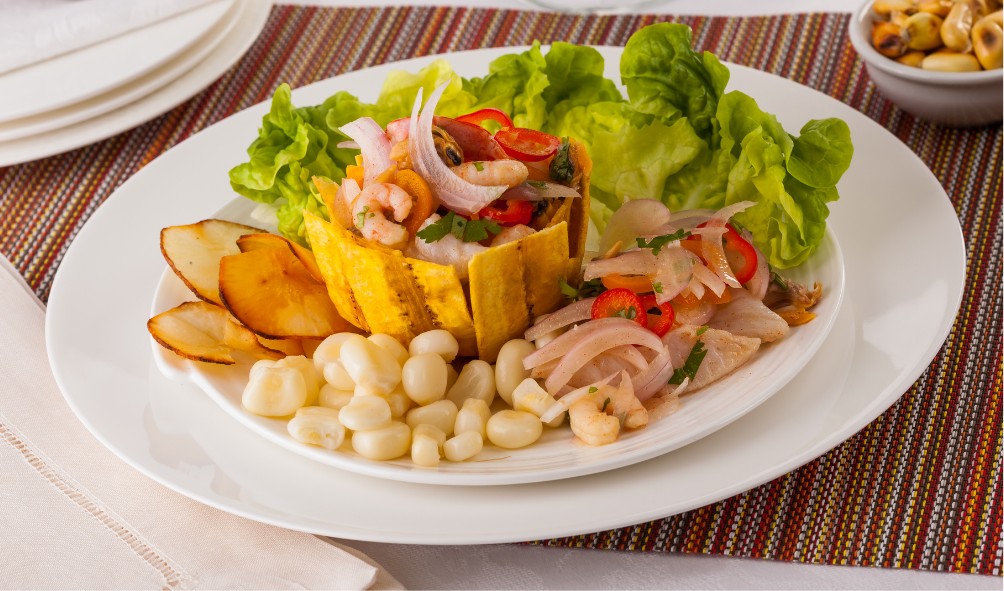
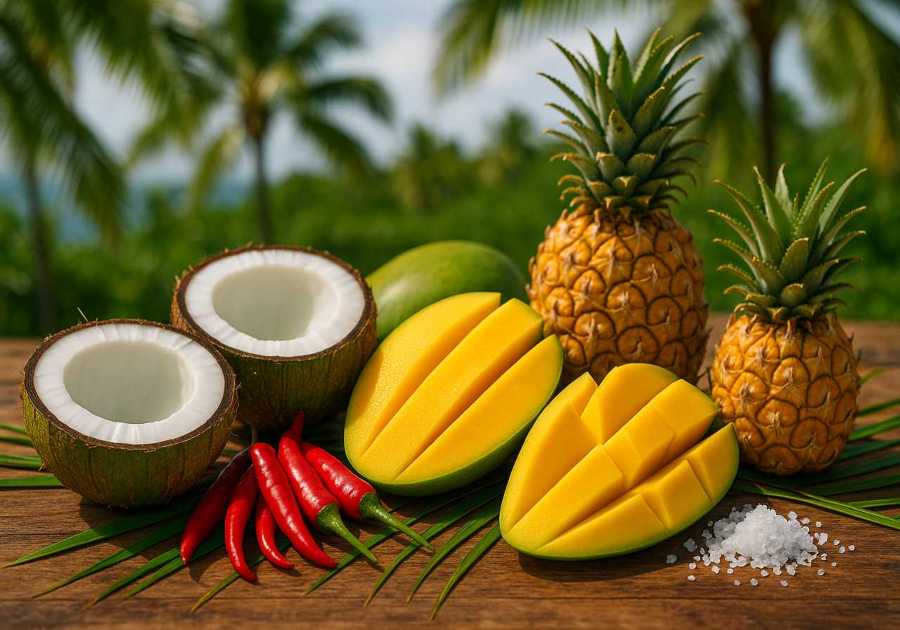
Don’t forget to try plantains, often fried or mashed, adding a sweet contrast. The vibrant flavors of tropical fruits like mango and pineapple also enhance coastal dishes, creating a delightful balance.
Whether you’re dining at a local eatery or enjoying a home-cooked meal, Panama’s coastal delights will leave you craving more.
Traditional Dishes of the Highlands
How does the highland cuisine of Panama capture the essence of its mountainous terrain? You’ll find that traditional dishes showcase hearty ingredients, reflecting the region's agricultural bounty.
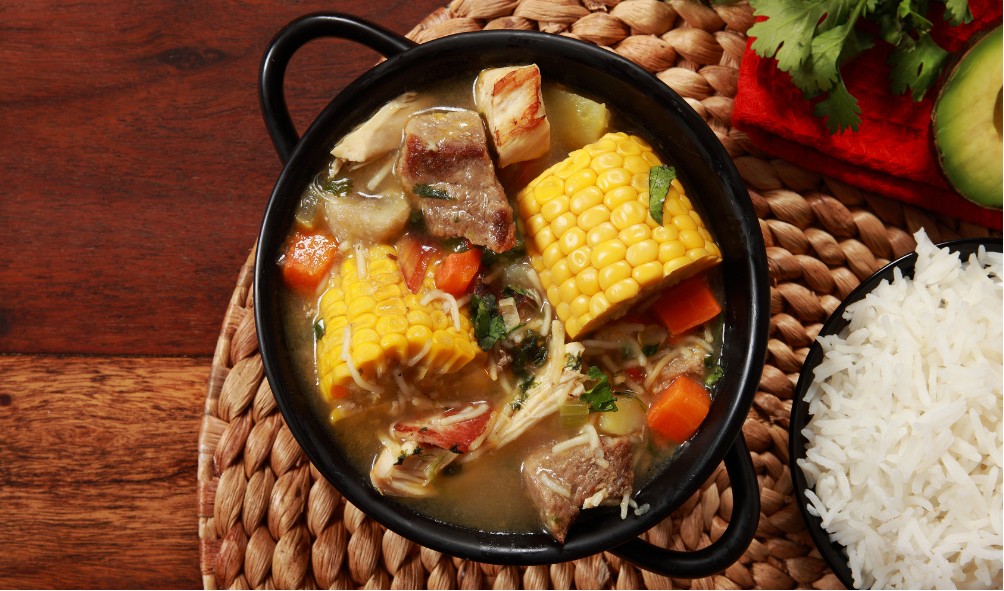
One staple is "sancocho," a flavorful chicken soup made with yuca and corn, perfect for warming up after a chilly day. Another favorite is "arroz con pollo," rice cooked with tender chicken, spices, and vegetables, embodying comfort food at its finest.
Don’t miss "patacones," crispy fried green plantains that add a delightful crunch to any meal. You’ll also enjoy "chicha," a sweet beverage made from fermented corn.
Together, these dishes tell a story of resilience and resourcefulness, connecting you to the rich culture and history of Panama’s highlands.
The Influence of Indigenous Ingredients
As you explore Panama's culinary landscape, you'll notice the profound influence of indigenous ingredients that shape its flavors and traditions. The use of corn, for example, is central to many dishes, reflecting its historical significance. You’ll find it in tamales and arepas, showcasing the versatility of this staple.
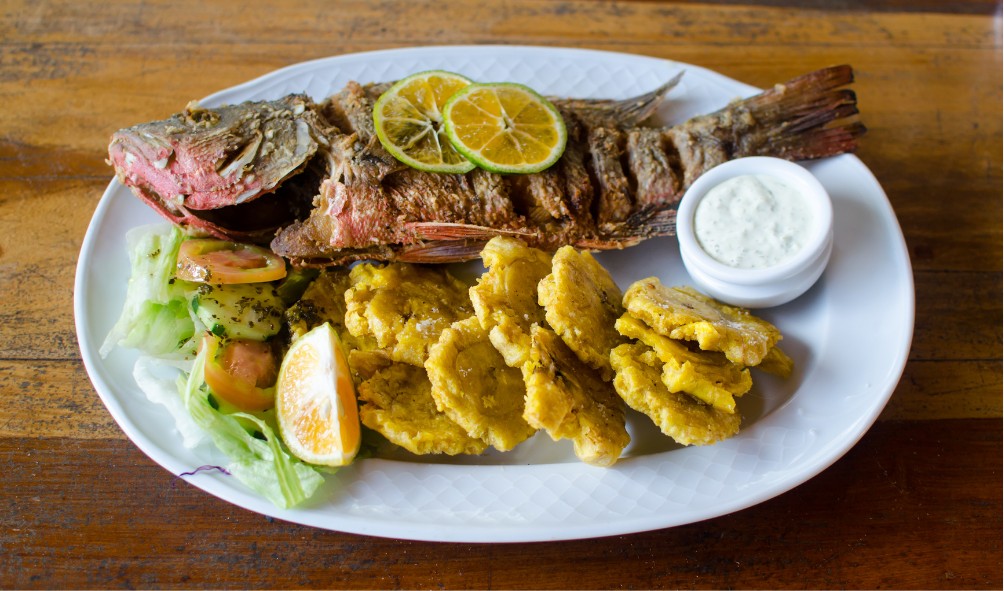
Other ingredients like yucca and plantains also play crucial roles, adding unique textures and tastes to meals. Herbs like culantro and spices such as achiote infuse dishes with vibrant colors and rich flavors.
Additionally, local fruits like guanabana and papaya add a refreshing sweetness that complements savory dishes. By appreciating these indigenous ingredients, you’ll gain a deeper understanding of Panama’s culinary heritage and the cultures that continue to thrive today.
Celebrating Panama's Street Food Culture
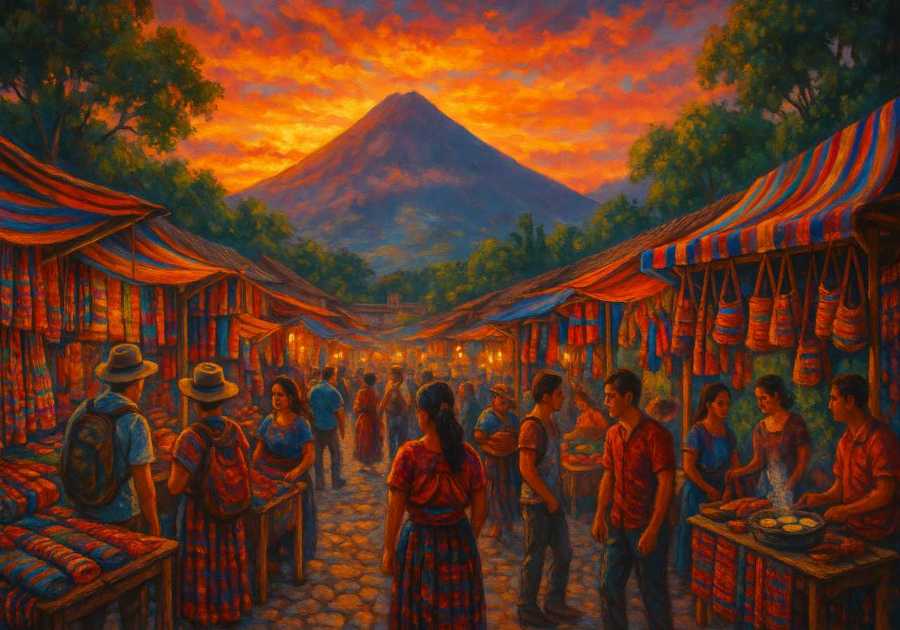
While exploring Panama, you can't miss the vibrant street food culture that fills the air with enticing aromas and lively chatter. From bustling markets to roadside vendors, every corner offers delicious bites waiting to be savored.
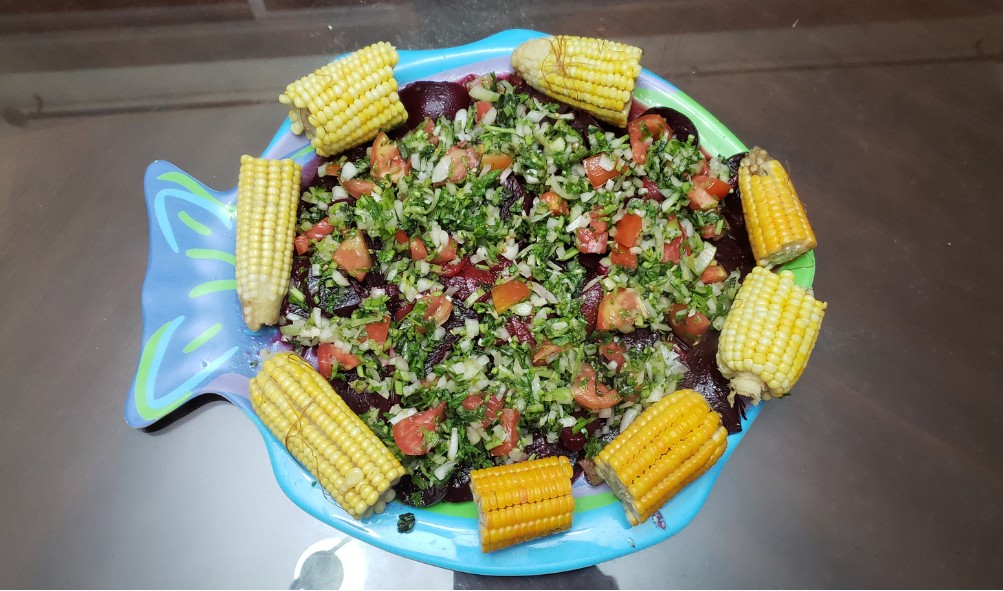
You’ll want to try arepas, filled with cheese or meats, and the crispy empanadas that tempt your taste buds. Don't forget the iconic ceviche, fresh and zesty, served in small cups. As you stroll, grab a refreshing raspado, a shaved ice treat drizzled with sweet syrups.
Each dish reflects Panama's rich culinary heritage and diverse influences. Engaging with local vendors not only satisfies your hunger but also connects you to the heart of Panama's vibrant culture. So, dig in and enjoy every mouthful!
The Role of Festivals in Culinary Traditions
Festivals in Panama serve as vibrant celebrations of the country's culinary traditions, bringing communities together to honor their rich heritage.
During these events, you’ll encounter a kaleidoscope of flavors, as local chefs showcase traditional dishes. The aroma of sancocho, a hearty chicken soup, fills the air, inviting you to savor every bite.
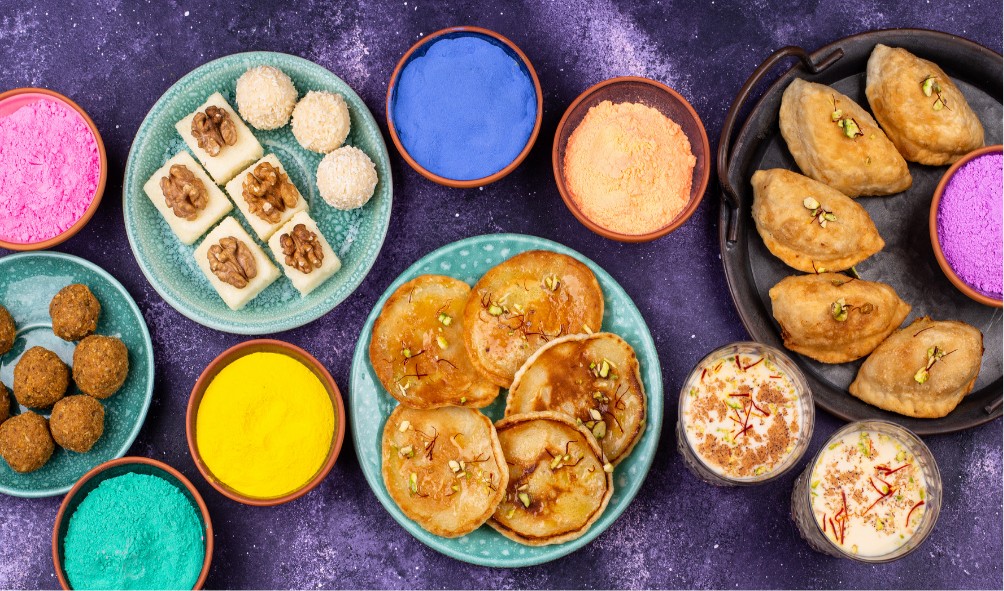
You’ll also find a variety of street food, like empanadas and tamales, highlighting regional ingredients. These festivals aren’t just about food; they foster connections among families and friends, strengthening community bonds.
As you participate in cooking demonstrations and tastings, you’ll gain a deeper appreciation for the culinary arts that define Panama.
Ultimately, these celebrations preserve the country’s traditions while nurturing a sense of pride in its diverse gastronomy.
Fusion Cuisine: Blending Cultures and Flavors
Panama's culinary scene isn't only shaped by its traditional roots but also by the exciting fusion of cultures and flavors that reflect its diverse population. You’ll find dishes that blend indigenous ingredients with Afro-Caribbean spices and European techniques, creating a unique dining experience.
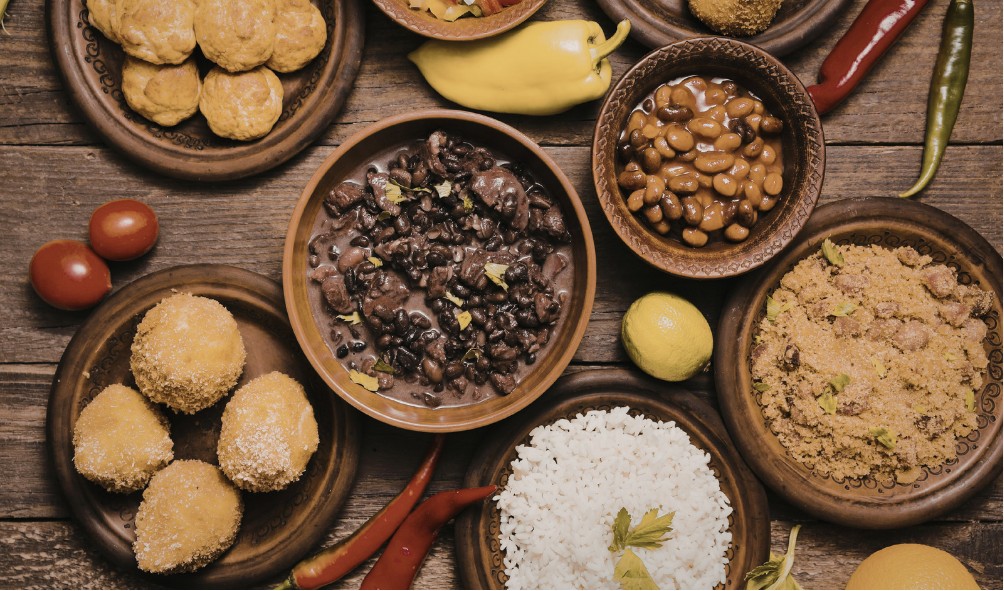
Imagine savoring a ceviche that incorporates tropical fruits or a hearty sancocho infused with Asian herbs. Restaurants across the country showcase this creativity, where chefs experiment with local produce to craft innovative meals.
You might discover a taco filled with pulled pork marinated in Panamanian beer or a risotto made with local seafood. Each bite tells a story, celebrating the rich tapestry of influences that make Panamanian cuisine truly special. Dive in and explore!
Iconic Beverages That Complement Panamanian Cuisine
To truly appreciate Panamanian cuisine, you can't overlook the iconic beverages that enhance the flavors of each dish.
One standout is "Seco," a distilled sugarcane spirit that packs a punch and complements hearty meals. You might also enjoy "Chicha," a refreshing drink made from corn or fruits, often sweetened and served cold.
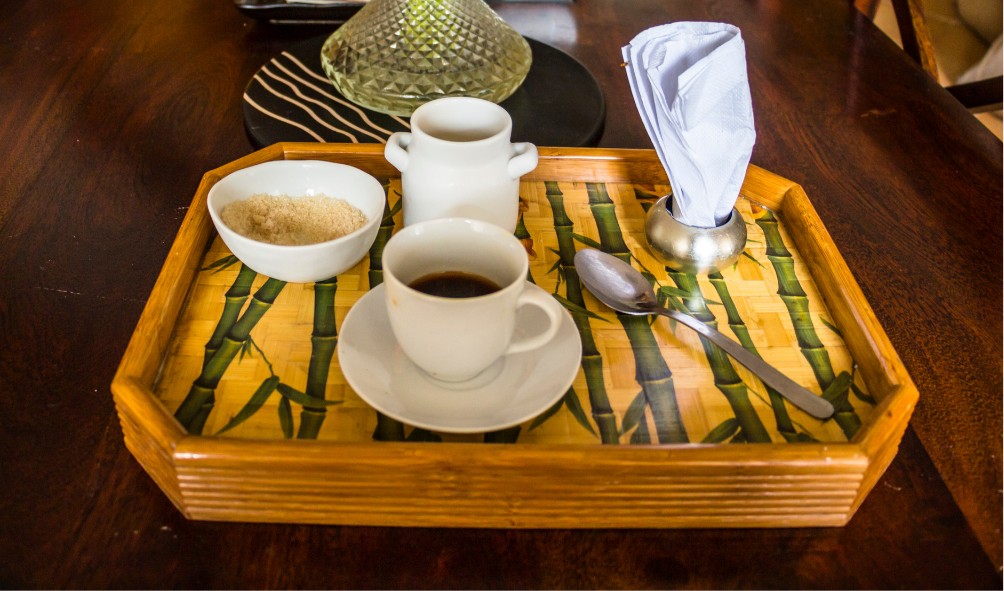
If you’re in the mood for something more traditional, "Café Panameño" offers rich, aromatic coffee that can elevate your dining experience.
Don’t forget about "Agua de Sapo," a ginger-infused drink that balances spicy dishes beautifully.
Each of these beverages brings its unique flair, making your culinary journey through Panama even more delightful. So, raise your glass and sip your way through this vibrant culture!
Conclusion
As you explore Panama's culinary traditions, you'll discover a vibrant mix of flavors from both coast and highlands. Whether you’re savoring fresh ceviche or hearty sancocho, each dish tells a story of the land and its people. Don't forget to indulge in street food and celebrate the lively festivals that showcase this rich heritage. With every bite and sip, you’re embracing the unique fusion that makes Panamanian cuisine truly unforgettable. So, dig in and enjoy!
Statistics
- Panama's culinary traditions reflect its geographical diversity, with coastal regions emphasizing seafood dishes like ceviche, while highland areas focus on hearty meals such as tamales and sancocho.
- Traditional Panamanian cooking methods, such as slow-cooking in clay pots, are still practiced by over 50% of households in rural highland communities, preserving culinary heritage.
- Street food culture in Panama's urban centers features more than 30 varieties of traditional snacks, blending flavors from the coast and highlands, such as empanadas filled with seafood or meat.
- Panama's highland regions host annual festivals where traditional dishes like "arroz con pollo" and "chicheme" are prepared, attracting thousands of locals and tourists alike.
External Links
- National Geographic: Panama Food Culture - An exploration of Panama’s food culture highlighting traditional recipes and ingredients.
- Fodor’s Travel: Panama Eats - Recommendations on must-try foods and culinary experiences in Panama’s coastal and highland regions.
- Panama Guide: Food and Culinary Traditions - A detailed overview of Panama’s diverse culinary heritage from coastal seafood to highland specialties.
- Cultura Colectiva: Panama Traditional Foods - A cultural perspective on Panama’s traditional foods and their significance in local communities.
How To Incorporate Native Ingredients into Panamanian Dishes
Begin by sourcing native ingredients like yucca, plantains, corn, and local herbs from markets or specialty stores. Use yucca as a base for soups or mashed side dishes, while plantains can be fried, boiled, or mashed for various recipes. Corn is essential for making tortillas or tamales. Experiment with herbs such as culantro and oregano to season stews and grilled meats. Integrating these ingredients strengthens the connection to Panama’s culinary roots and offers authentic flavors that represent both coastal and highland regions.
Want to travel with more time and freedom?
The freedom to travel! Discover free & unique homestays around the world, in exchange for caring for adorable pets.
https://escapetomexiconow.com/ths
Recommended Resources:
Adventure is calling — are you ready to answer? Discover new places, new lifestyles, and new possibilities in Mexico, Panama, or the Philippines.
https://escapetomexiconow.com/
https://escapetomexiconow.info/
https://escapetopanamanow.info/
https://escapetothephilippinesnow.com/
YouTube Channel:
Your next adventure starts here! Join us on YouTube for destination tours, insider advice, and everything you need to make your escape unforgettable.
https://www.youtube.com/@EscapeToMexicoNow