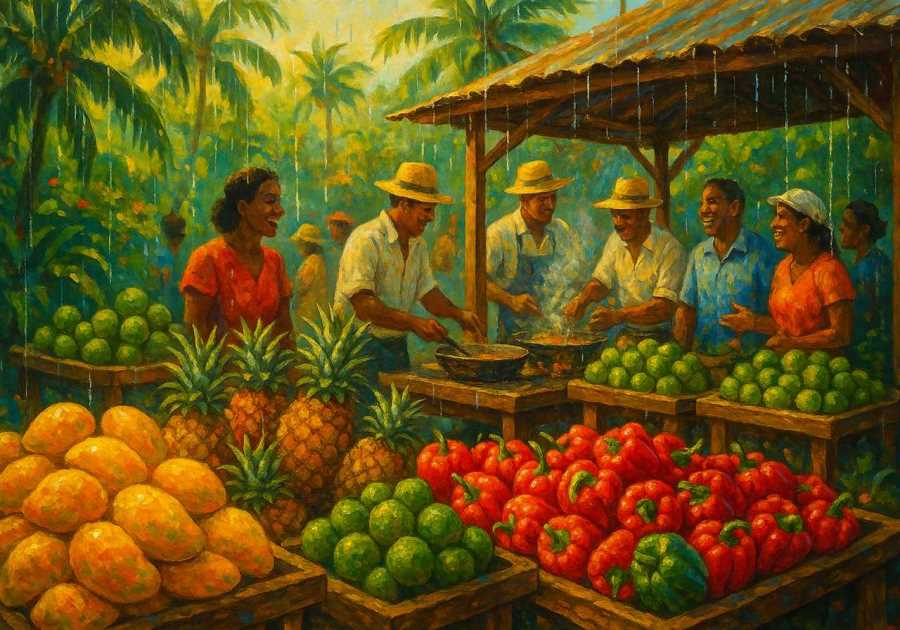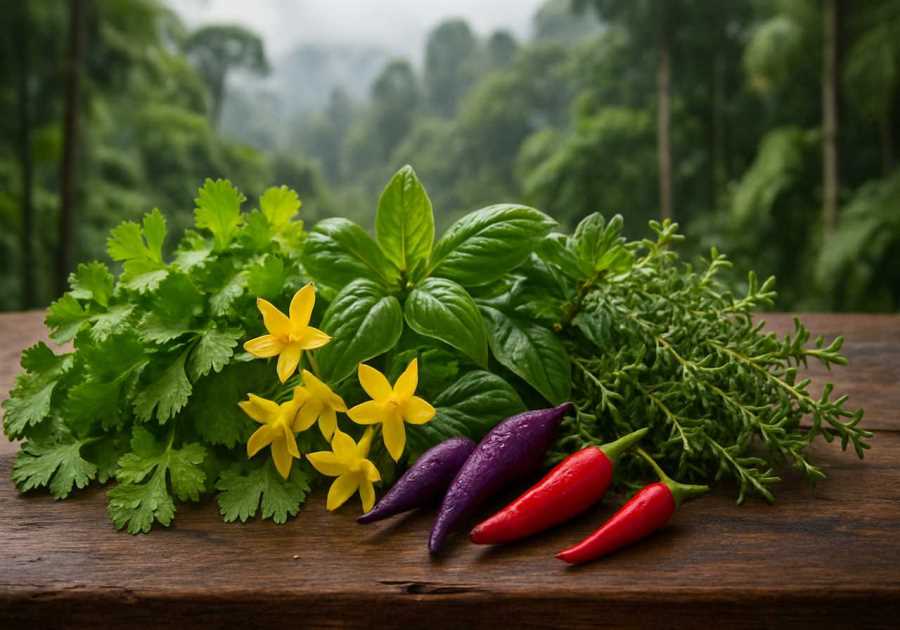
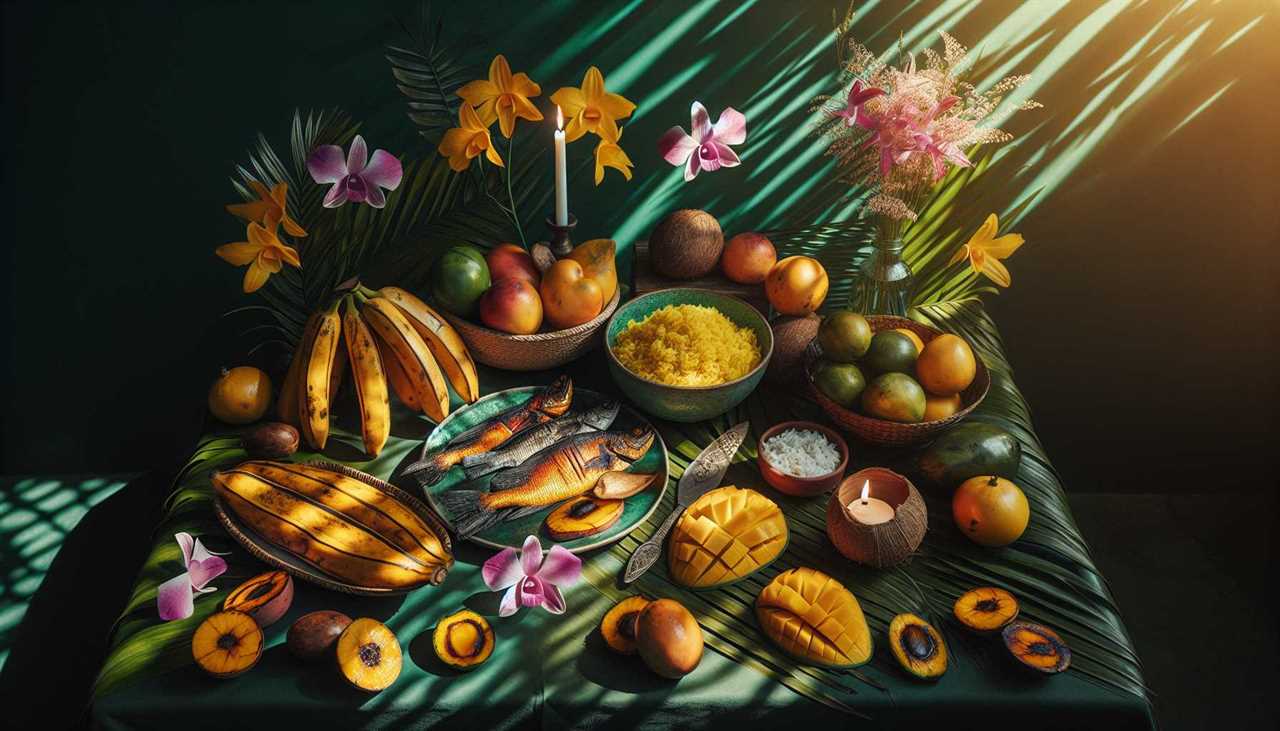
Panama’s tropical climate plays a pivotal role in shaping its unique cuisine. With warm temperatures and abundant rainfall, the country boasts a rich agricultural landscape that yields a variety of vibrant ingredients. This natural bounty influences traditional dishes and highlights the importance of local produce. But how do these elements come together to define the flavors of Panamanian food? The answer lies in the intricate connection between climate, agriculture, and culinary traditions.
The Impact of Climate on Agriculture in Panama
As you explore Panama's vibrant cuisine, you'll quickly realize that the country's climate plays a crucial role in shaping its agricultural practices.
With a tropical climate marked by abundant rainfall and warm temperatures, Panama offers the perfect conditions for diverse crops. You’ll find farmers cultivating staples like rice, corn, and beans, which thrive in these conditions. The rich soil, combined with the consistent sunlight, allows for multiple growing seasons throughout the year.
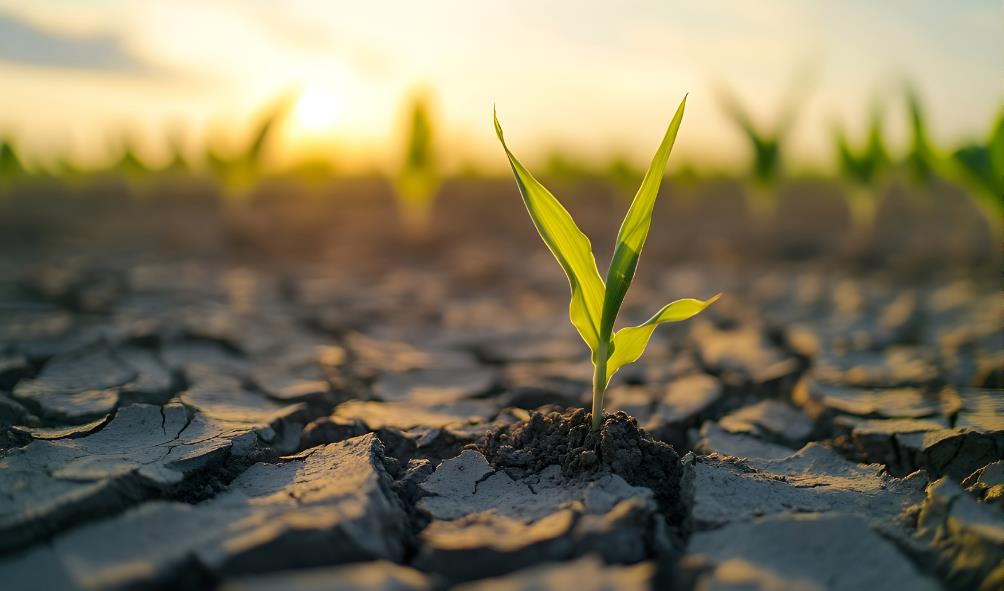
Moreover, the high humidity supports the growth of tropical fruits such as bananas and pineapples.
This climate not only sustains local agriculture but also influences the flavors and ingredients that define Panamanian dishes, making the connection between climate and cuisine unmistakably clear.
Key Ingredients of Panamanian Cuisine
The rich agricultural landscape of Panama yields a variety of key ingredients that shape its unique cuisine. You’ll find staples like rice, corn, and beans, forming the backbone of many meals.
Tropical fruits such as mangoes, papayas, and pineapples add sweetness and brightness to dishes. Don’t forget about plantains; they’re versatile and popular, often fried or mashed.
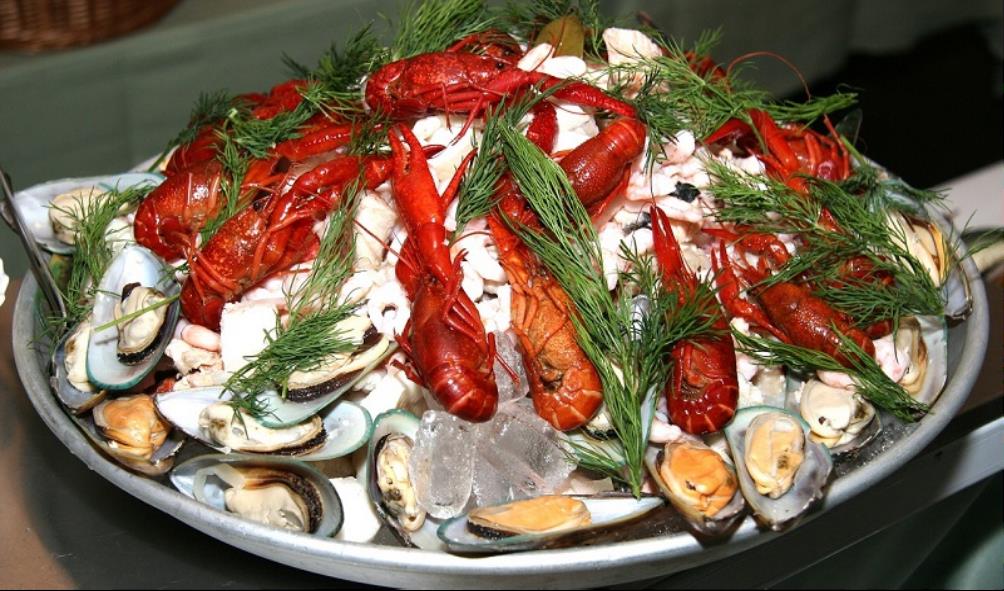
Fresh seafood is abundant, thanks to the country’s coastal access, with fish like snapper and shrimp featuring prominently.
Herbs and spices like cilantro and achiote bring vibrant flavor to your plate. The use of coconut milk is common, lending creamy richness to many recipes.
Together, these ingredients reflect Panama's diverse culture and agricultural bounty, making every meal a true celebration of local flavors.
Traditional Dishes Inspired by Local Produce
While exploring Panama's culinary landscape, you'll discover traditional dishes that showcase the vibrant local produce. One standout is sancocho, a hearty chicken soup enriched with yucca, plantains, and cilantro, reflecting the region's agricultural bounty.
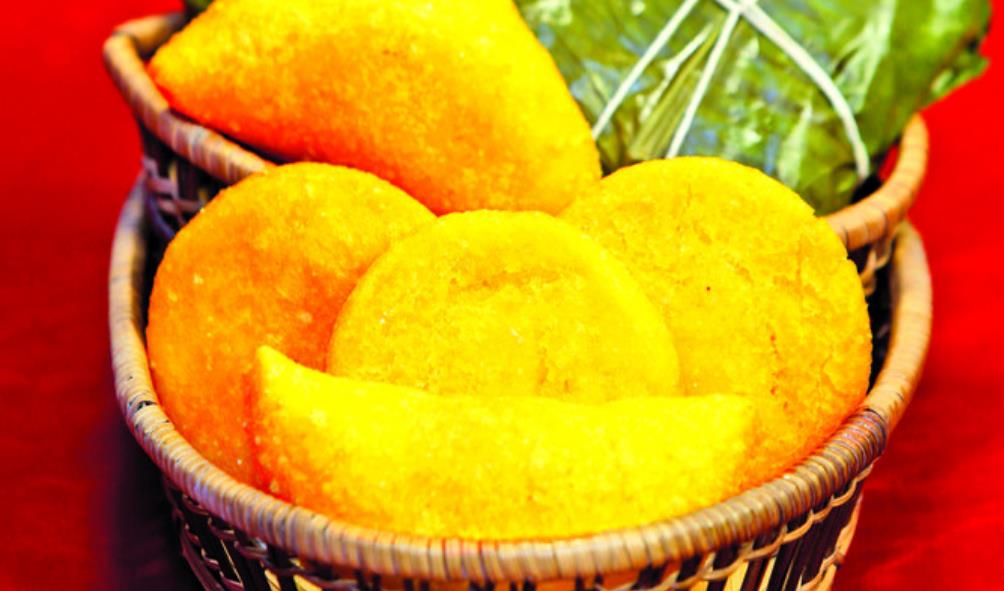
You can’t miss tortillas de maíz, made from fresh corn, often served with spicy sauces. Another favorite is arroz con pollo, where tender chicken mingles with flavorful vegetables, highlighting Panama’s rich rice harvest.
Don’t forget to try patacones—crispy fried green plantains—perfect as a snack or side. Each dish tells a story of the land, bringing the essence of Panama’s climate right to your plate.
The Role of Seafood in Panamanian Cooking
Panama's coastal geography offers a bounty of seafood that plays a vital role in its culinary traditions. When you explore Panamanian cooking, you'll find fresh fish, shrimp, and octopus featured prominently in many dishes.
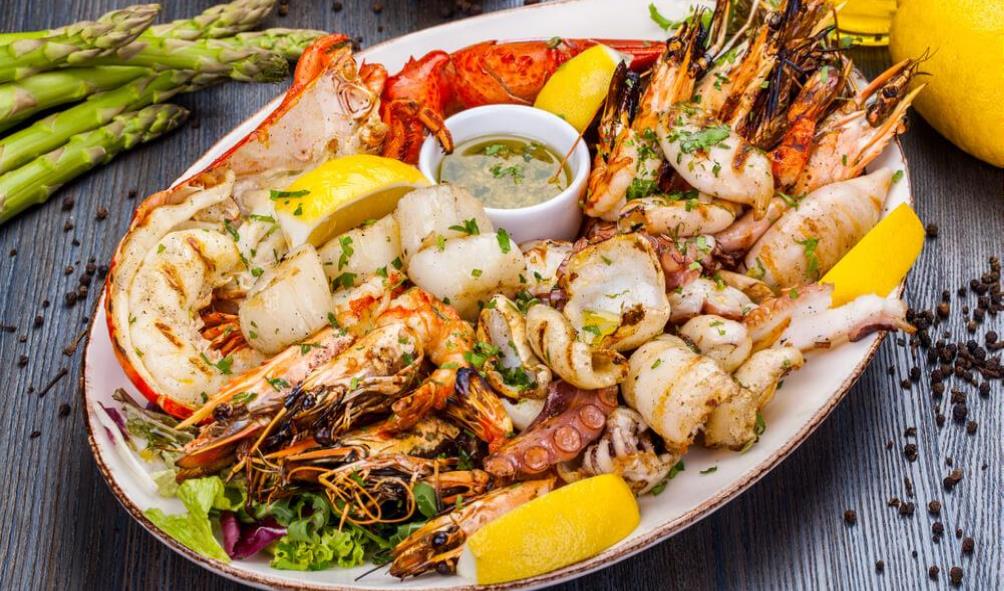
Local favorites like ceviche showcase the vibrant flavors of the ocean, combining freshly caught fish with zesty citrus and spices. You might also enjoy a hearty seafood stew, known as "sancocho," where various shellfish and fish simmer together, creating a comforting meal.
Grilled fish, seasoned with local herbs, often makes an appearance at family gatherings, celebrating the connection between the sea and the table. By embracing seafood, you’ll experience a delicious reflection of Panama's rich marine resources and culinary heritage.
Celebrating Culinary Diversity Through Regional Flavors
As you delve into the culinary landscape of Panama, you'll discover a rich tapestry of regional flavors that reflect the country's diverse cultural influences.
From the Caribbean's spicy jerk dishes to the savory, hearty stews of the highlands, each region offers something unique. In the Azuero Peninsula, you'll savor traditional rice and beans, while Panama City showcases innovative fusion cuisine that mixes local ingredients with international techniques.
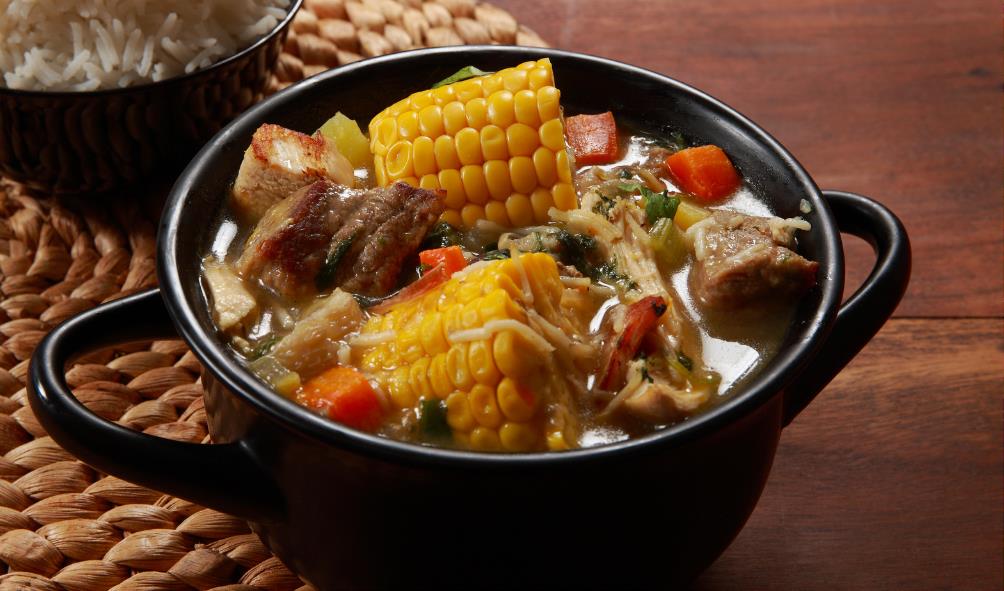
Don't miss the chance to try typical dishes like sancocho, a flavorful chicken soup, or patacones, crispy plantain slices.
Each bite tells a story of history and tradition, inviting you to explore the vibrant cultural mosaic that's Panama. Embrace this diversity, and you'll appreciate the heart and soul of Panamanian cuisine.
Conclusion
In conclusion, Panama's tropical climate truly enriches its culinary landscape. The abundant rainfall and warm temperatures foster a diverse array of crops, allowing local ingredients to shine in traditional dishes. From hearty rice and beans to fresh seafood, each bite reflects the vibrant flavors of this beautiful country. As you explore Panamanian cuisine, you'll not only savor delicious meals but also celebrate the rich agricultural heritage that shapes the food you enjoy.
External Links
- Culture Trip: 10 Dishes You Must Try in Panama - Culture Trip outlines must-try dishes in Panama, illustrating the influence of the climate on its cuisine.
- Lonely Planet: Panama Food Guide - Lonely Planet's guide highlights the unique dishes that are shaped by Panama's climate and geography.
- CNN Travel: Panama's Food and Drink - CNN Travel discusses the impact of Panama's climate on its food and drink, emphasizing local ingredients.
- BBC Travel: Panama, the Land of Abundant Flavors - This article explores the diverse flavors and ingredients that Panama's tropical climate contributes to its cuisine.
How to Make a Traditional Panamanian Ceviche
Ceviche is a popular dish in Panama, showcasing the country's access to fresh seafood and tropical flavors. To make this dish, start with fresh fish, such as corvina or sea bass, and cut it into small cubes. Marinate the fish in lime juice, which "cooks" the fish with its acidity. Add finely chopped onions, cilantro, and aji chombo, a local hot pepper, for a spicy kick. Let the mixture sit in the refrigerator for a few hours to allow the flavors to meld. Serve chilled, garnished with slices of avocado or plantain chips. This ceviche highlights the influence of Panama’s coastal climate on its cuisine, offering a refreshing and zesty taste.
Want to travel with more time and freedom?
The freedom to travel! Discover free & unique homestays around the world, in exchange for caring for adorable pets.
https://escapetomexiconow.com/ths
Recommended Resources:
Ready to explore life beyond borders? Check out our trusted guides to Mexico, Panama, and the Philippines — your gateways to new adventures, culture, and opportunity.
https://escapetomexiconow.com/
https://escapetomexiconow.info/
https://escapetopanamanow.info/
https://escapetothephilippinesnow.com/
YouTube Channel:
See Mexico like never before! From local culture to travel hacks, our YouTube channel brings the adventure straight to you.
https://www.youtube.com/@EscapeToMexicoNow