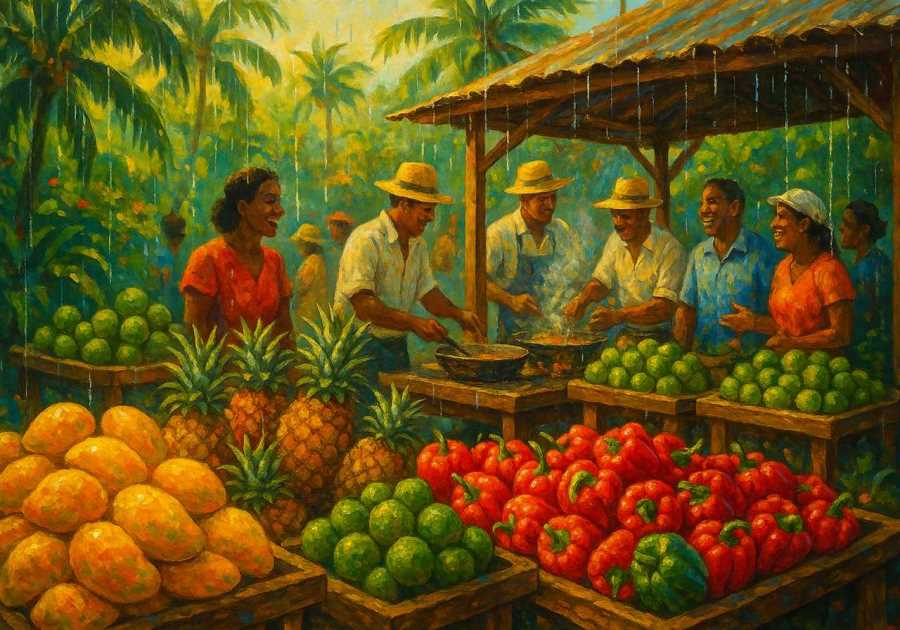
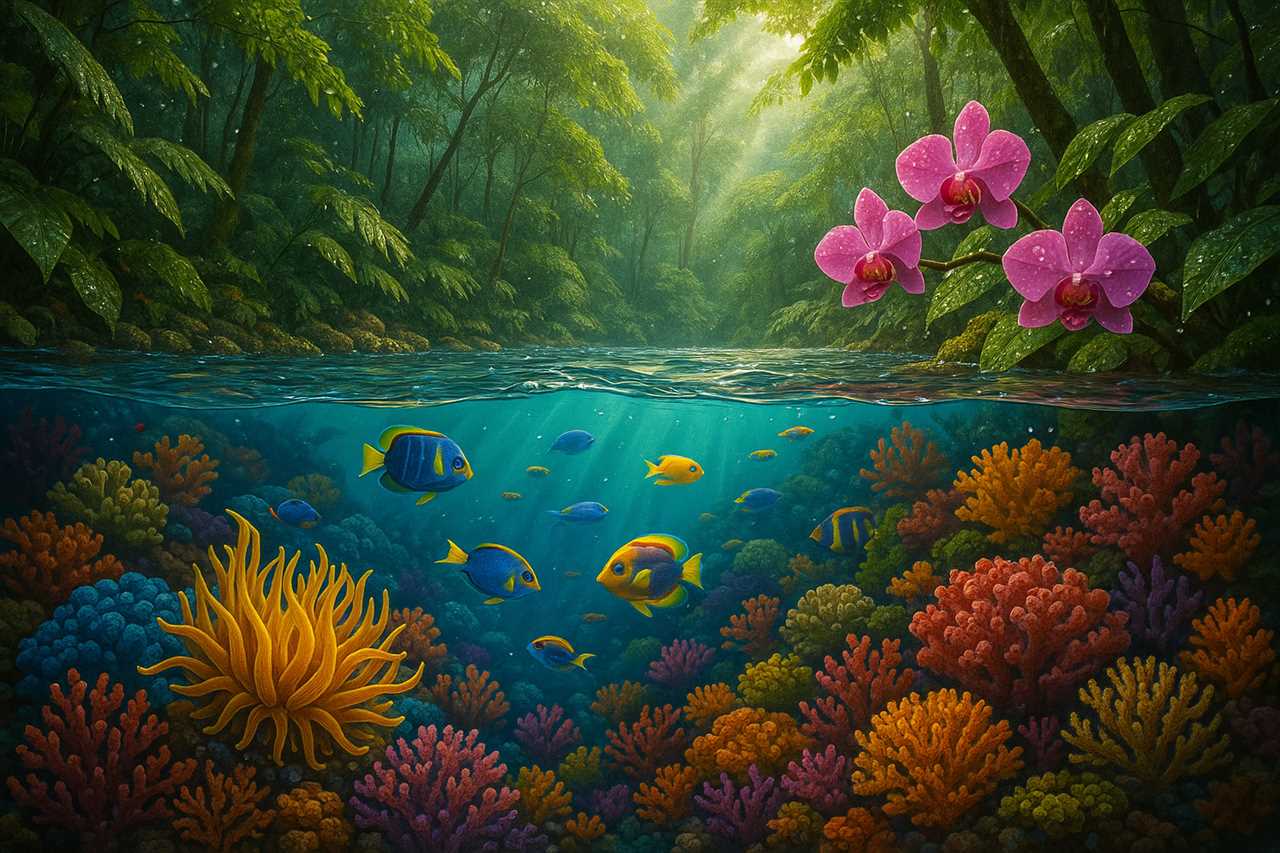
Imagine living in a world where vibrant rainforests meet stunning coral reefs. You'd witness the intricate balance of life, shaped by indigenous cultures that know these ecosystems intimately. Their sustainable practices offer lessons in conservation that modern society often overlooks. Yet, as climate change threatens these vital habitats, the urgency to act becomes clearer. What can we learn from these communities to protect our planet's future?
The Importance of Rainforests and Coral Reefs
Rainforests and coral reefs play crucial roles in our planet's health, and if we ignore their importance, we risk losing invaluable ecosystems.
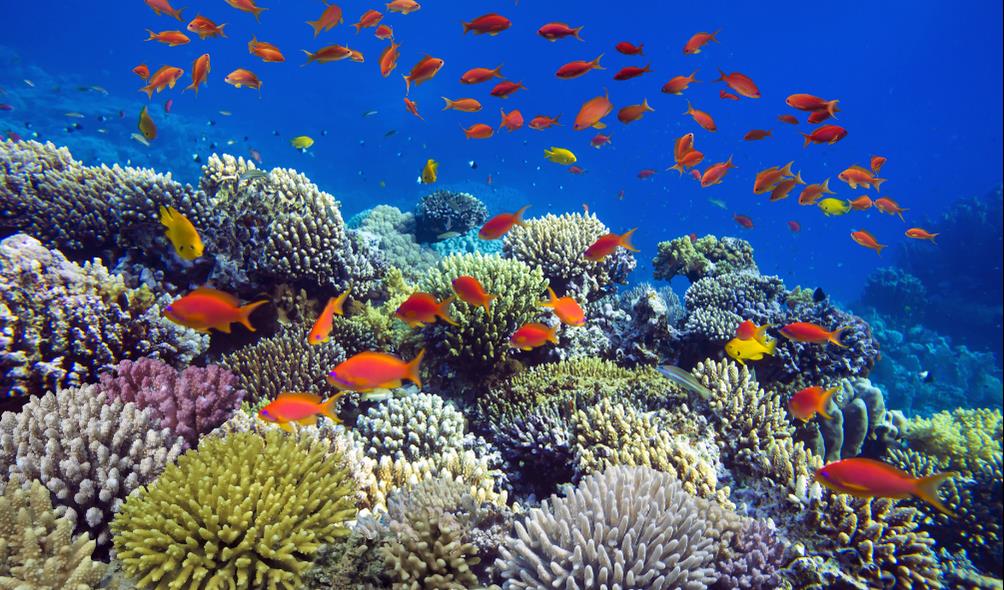
You mightn't realize it, but these vibrant habitats support countless species and regulate our climate. Rainforests act as the lungs of the Earth, absorbing carbon dioxide and producing oxygen.
Coral reefs protect coastlines from erosion and provide essential habitat for marine life. If we don’t take steps to conserve them, you’ll witness the decline of biodiversity and increased natural disasters.
Indigenous Cultures and Their Connection to Nature
While modern society often overlooks the wisdom of indigenous cultures, their deep connection to nature offers invaluable insights into sustainable living.
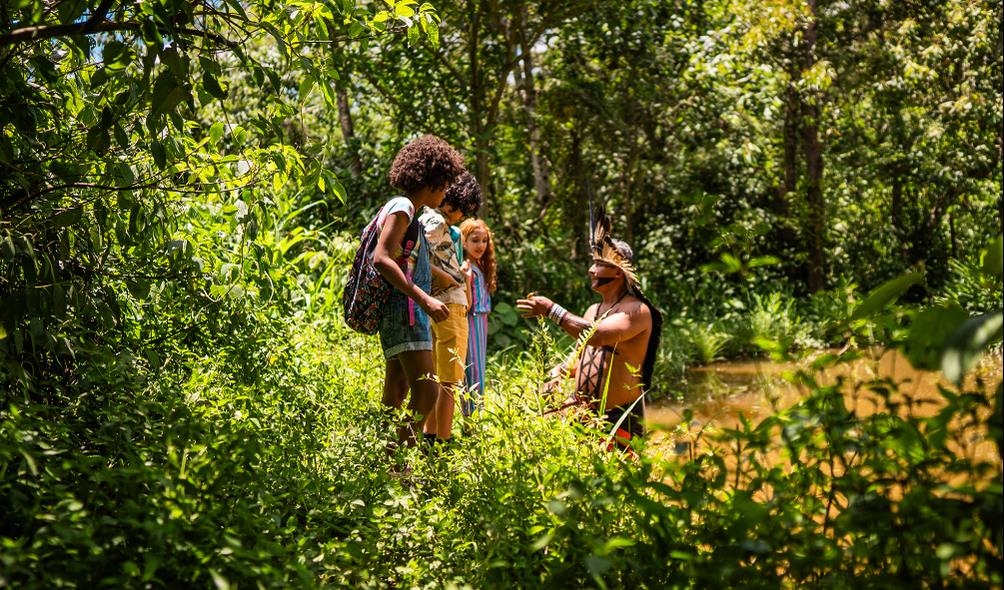
You’ll find that these communities view themselves as part of the ecosystem, not separate from it. They possess extensive knowledge of local plants and animals, using this understanding to manage resources responsibly.
For instance, traditional agricultural practices emphasize crop diversity and rotation, which enhances soil health and reduces pests naturally. You might also notice how rituals and stories reflect a profound respect for the environment, reinforcing the idea that nature is sacred.
Biodiversity: A Closer Look at Flora and Fauna
As you explore the vibrant ecosystems of rainforests and coral reefs, you’ll quickly realize that biodiversity plays a crucial role in maintaining ecological balance.
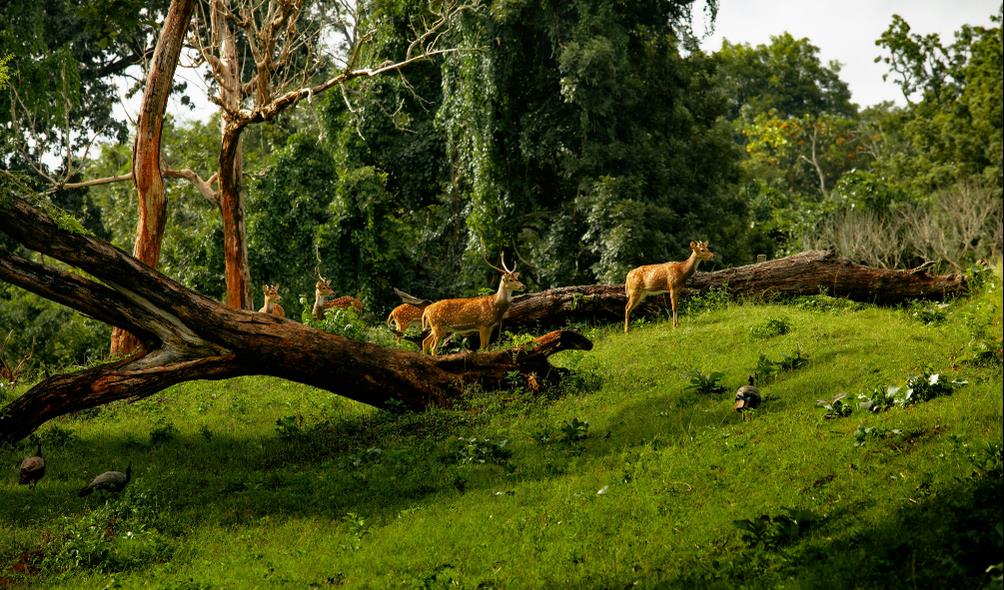
In rainforests, towering trees, colorful flowers, and countless species of fungi create a complex web of life. Here, you might spot monkeys swinging through the canopy or hear the calls of exotic birds.
Meanwhile, coral reefs burst with life beneath the waves, teeming with fish, sea turtles, and invertebrates. Each organism, from the tiniest plankton to the largest predator, contributes to the overall health of these systems.
Sustainable Practices in Rainforest Communities
In the heart of rainforest communities, people have developed sustainable practices that help balance their needs with environmental stewardship. You’ll find that many residents rely on agroforestry, integrating crops with native trees to enhance biodiversity and soil health.
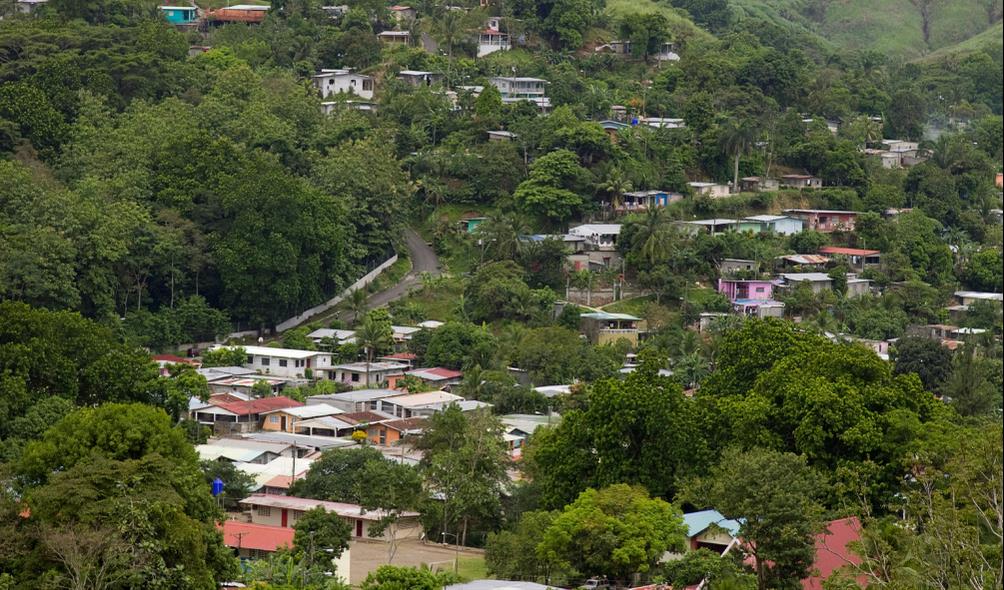
They practice selective logging, taking only what they need while preserving the forest’s integrity. Traditional fishing methods, like using traps and nets, avoid overfishing and protect aquatic life.
Community-based ecotourism allows visitors to appreciate the rainforest without harming it, generating income for locals. Moreover, they engage in knowledge-sharing, passing down ancestral skills that promote sustainability.
Coral Reef Conservation Efforts
Coral reefs, often referred to as the "rainforests of the sea," face significant threats from climate change, pollution, and overfishing. To combat these issues, you can support conservation efforts that focus on sustainable fishing practices and reducing pollution.
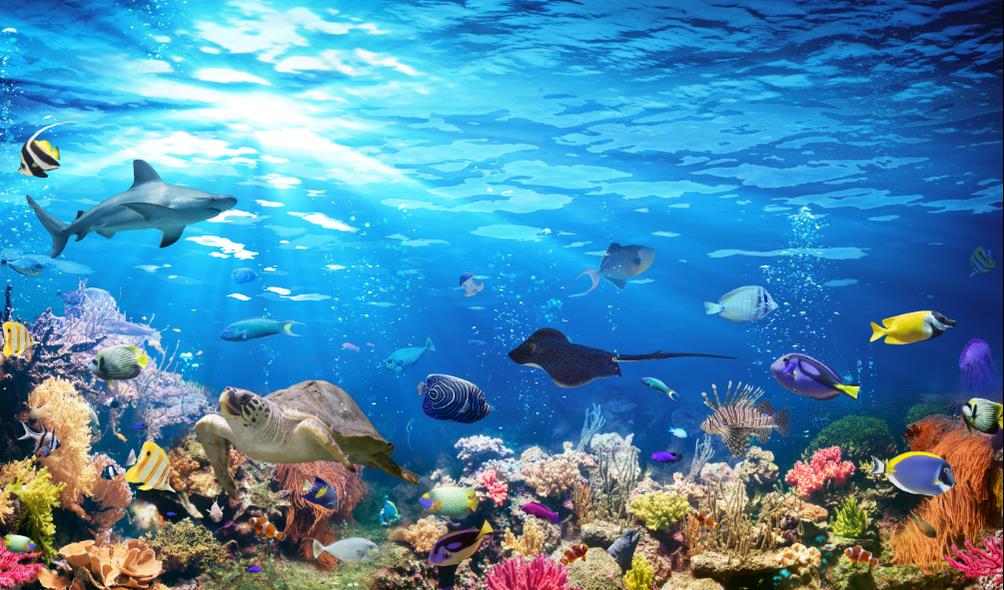
Joining local initiatives helps protect these vital ecosystems. Engaging in coral restoration projects allows you to actively participate in replanting efforts.
Moreover, advocating for marine protected areas can minimize human impact and promote biodiversity. Educating yourself and others about the importance of coral reefs fosters greater awareness and encourages responsible tourism.
The Impact of Climate Change on These Ecosystems
Climate change poses an urgent threat to both coral reefs and rainforests, leading to devastating impacts on these interconnected ecosystems. Rising temperatures cause coral bleaching, weakening reefs and disrupting marine life. You might notice that fish populations decline, affecting local communities that rely on them for food and income.
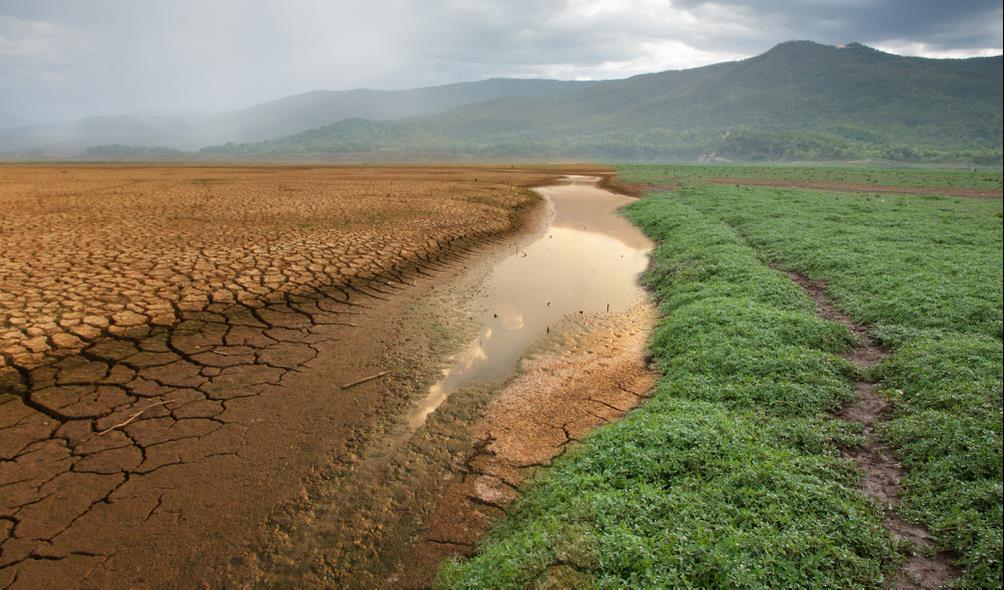
Meanwhile, rainforests face increased droughts and wildfires, putting countless species at risk. As habitats shrink, biodiversity suffers, and vital functions like carbon storage diminish. You can see how altered weather patterns disrupt rainfall, impacting agriculture and water supply for nearby populations.
The loss of these ecosystems doesn’t just threaten wildlife; it jeopardizes human livelihoods and global climate stability. Taking action now is crucial to preserve these vital environments for future generations.
Ecotourism: Balancing Exploration and Preservation
While exploring the breathtaking beauty of rainforests and coral reefs, you can also play a vital role in their preservation through ecotourism. By choosing eco-friendly tours, you support local communities that prioritize conservation.
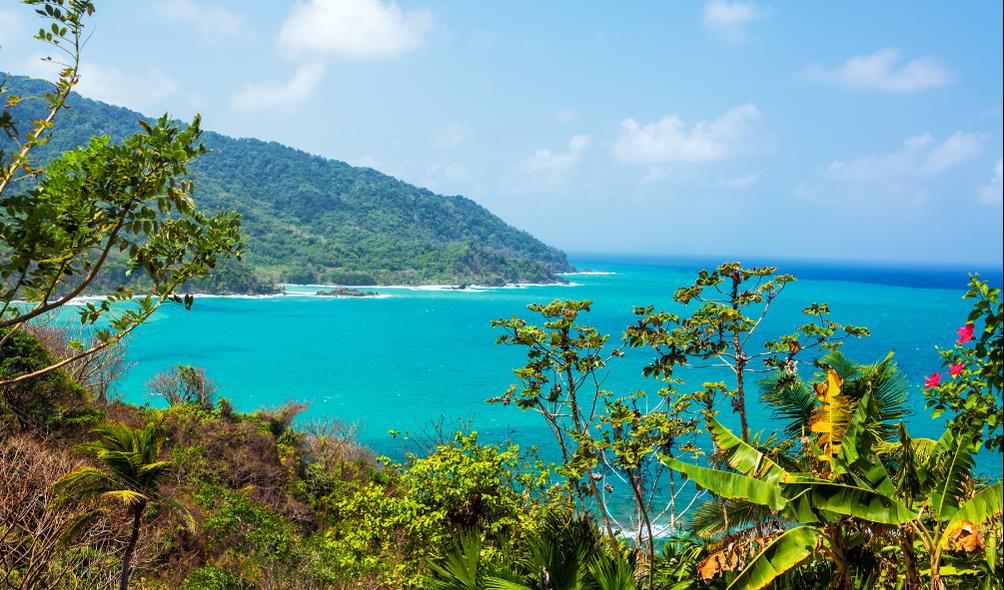
These experiences often involve guided wildlife observations or snorkeling trips that educate you about ecosystems while minimizing harm. When you engage with responsible operators, you help fund conservation projects and sustainable practices.
Plus, your presence can raise awareness about the importance of protecting these fragile environments. Remember, your choices matter. Opt for accommodations that practice sustainability and avoid single-use plastics.
Future Challenges and Opportunities for Conservation
As the world faces rising threats to biodiversity, conservation efforts must adapt to meet new challenges and seize emerging opportunities.
You’ll need to embrace innovative technologies, like satellite monitoring and AI, to track wildlife and habitat changes effectively. Collaboration among governments, NGOs, and local communities is vital; together, you can create sustainable practices that benefit both nature and people.

Additionally, promoting education and awareness will empower individuals to take action and support conservation initiatives.
Climate change poses a significant challenge, but it also offers a chance to rethink our approaches to land and marine management. By prioritizing resilience and adaptability, you can help ensure that rainforests and coral reefs thrive for generations to come.
Conclusion
Living among rainforests and coral reefs teaches us the value of biodiversity and sustainable living. By embracing the wisdom of indigenous cultures and supporting conservation efforts, we can help protect these vital ecosystems. Climate change poses significant challenges, but through ecotourism and community engagement, we can foster a balance between exploration and preservation. Together, we have the power to ensure that future generations can experience and cherish the beauty and richness of our planet’s natural resources.
Statistics
- Coral reefs support about 25% of all marine life, despite covering less than 1% of the ocean floor.
- The Amazon Rainforest produces around 20% of the world's oxygen, playing a crucial role in the global carbon cycle.
- Over 500 million people worldwide depend directly on coral reefs for food, income, and coastal protection.
- Coral reefs generate an estimated $375 billion per year in goods and services, including tourism, fishing, and coastal protection.
External Links
- Rainforest Alliance: Rainforest Conservation - Learn about efforts to conserve rainforests and how you can contribute to these initiatives.
- IUCN: Coral Reefs - The International Union for Conservation of Nature provides information on coral reef preservation efforts.
- National Geographic: Rainforests - Explore the current state of rainforests around the world and the challenges they face.
- World Wildlife Fund: Rainforests - This resource provides information on the importance of rainforests and the threats they face.
How to Build a Sustainable Home in a Rainforest
Building a sustainable home in a rainforest involves utilizing natural resources efficiently. Choose materials that are locally sourced and sustainable, such as bamboo or reclaimed wood. Design your home to maximize natural light and ventilation, reducing the need for artificial lighting and air conditioning. Implement rainwater harvesting systems and solar panels to minimize reliance on external resources. Ensure that your home blends with the natural environment to minimize ecological disruption. By focusing on sustainability, you create a home that respects and preserves the rainforest ecosystem.
Plan the perfect group trip, your way.
Get an instant personalized itinerary. We handle logistics, payments, and provide a dedicated itinerary, while local experts fine-tune every detail. Enjoy full freedom—without the stress of organizing it all.
https://escapetomexiconow.com/tourhero
Recommended Resources:
Discover where freedom, adventure, and opportunity await you.
https://escapetomexiconow.com/
https://escapetomexiconow.info/
https://escapetopanamanow.info/
https://escapetothephilippinesnow.com/
YouTube Channel:
Your next adventure starts here! Join us on YouTube for destination tours, insider advice, and everything you need to make your escape unforgettable.
https://www.youtube.com/@EscapeToMexicoNow