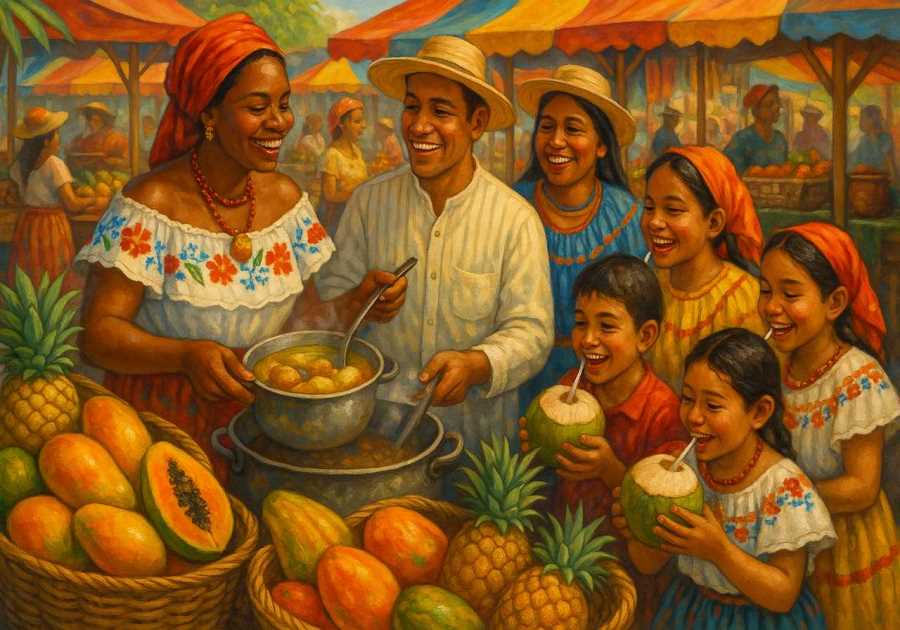
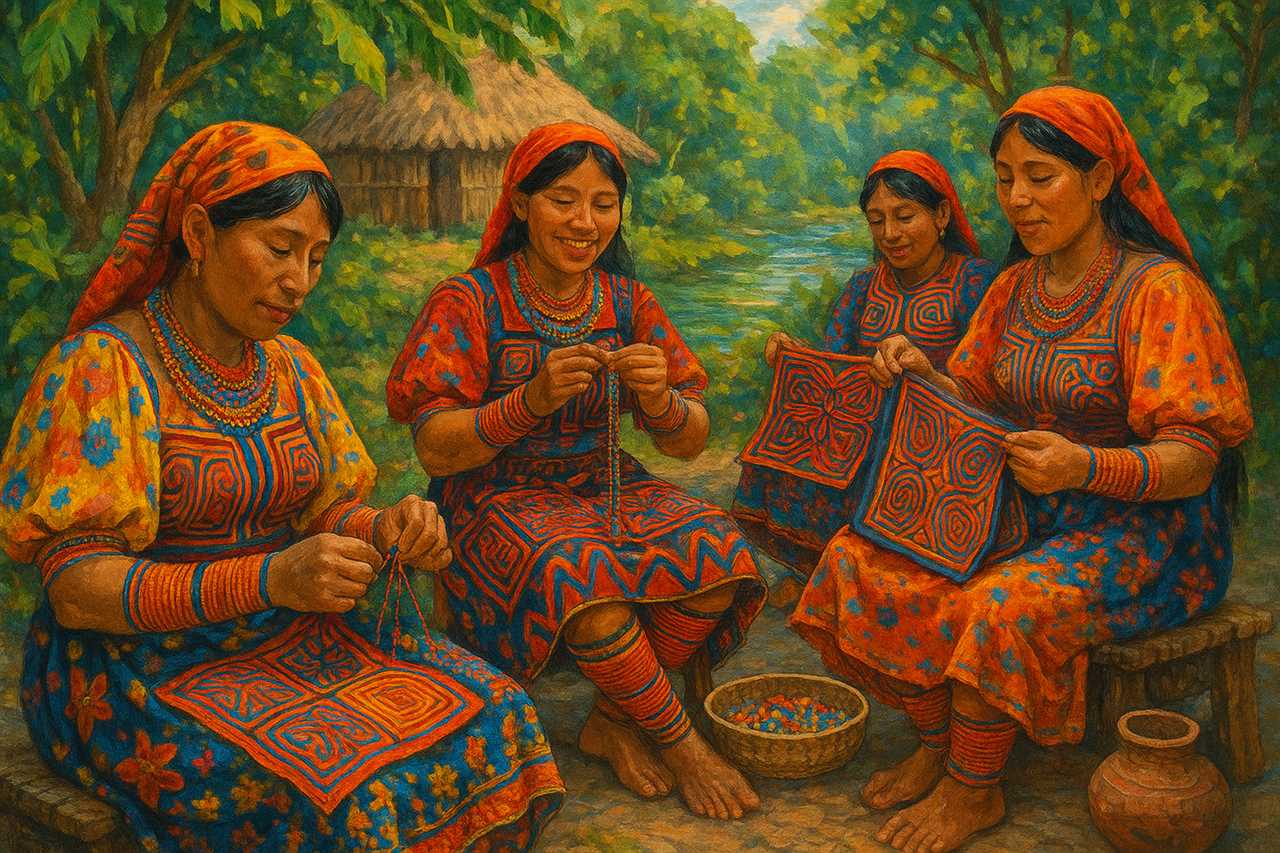
When you explore the indigenous cultures of Panama, you’ll encounter rich traditions and histories that reveal a profound connection to nature. The Ngäbe-Buglé, Kuna, and Emberá each offer unique perspectives through their art and lifestyle. Yet, these vibrant communities face significant challenges today. What are these obstacles, and how are they striving to preserve their identities in a changing world? The answers may surprise you.
The Ngäbe-Buglé: Culture and Community
The Ngäbe-Buglé people, one of Panama's largest indigenous groups, have a rich cultural heritage that reflects their deep connection to the land and traditions.
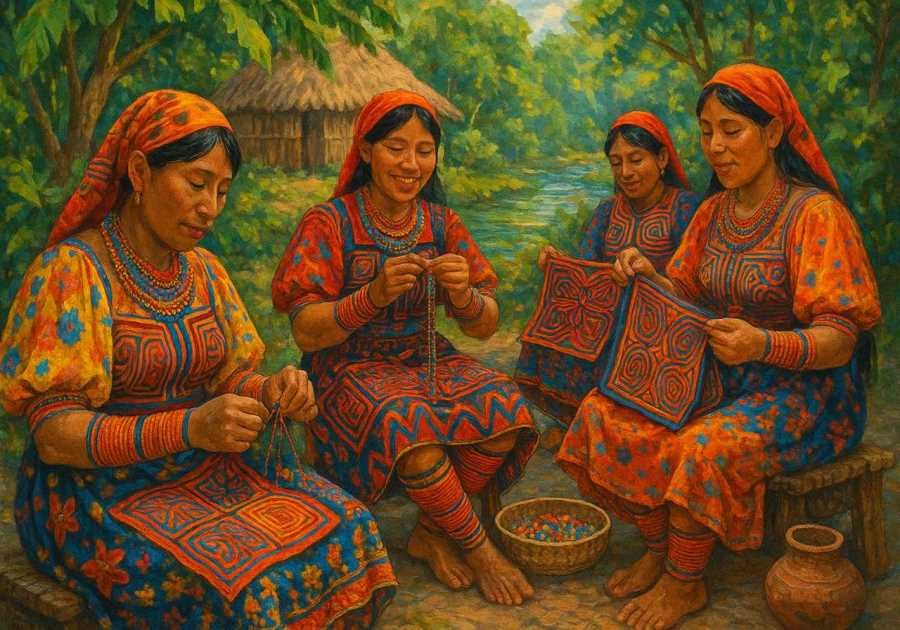
You’ll find their vibrant customs celebrated in colorful clothing, especially the women’s traditional dresses adorned with intricate patterns. Their spirituality is deeply rooted in the natural world, often blending ancient beliefs with modern influences.
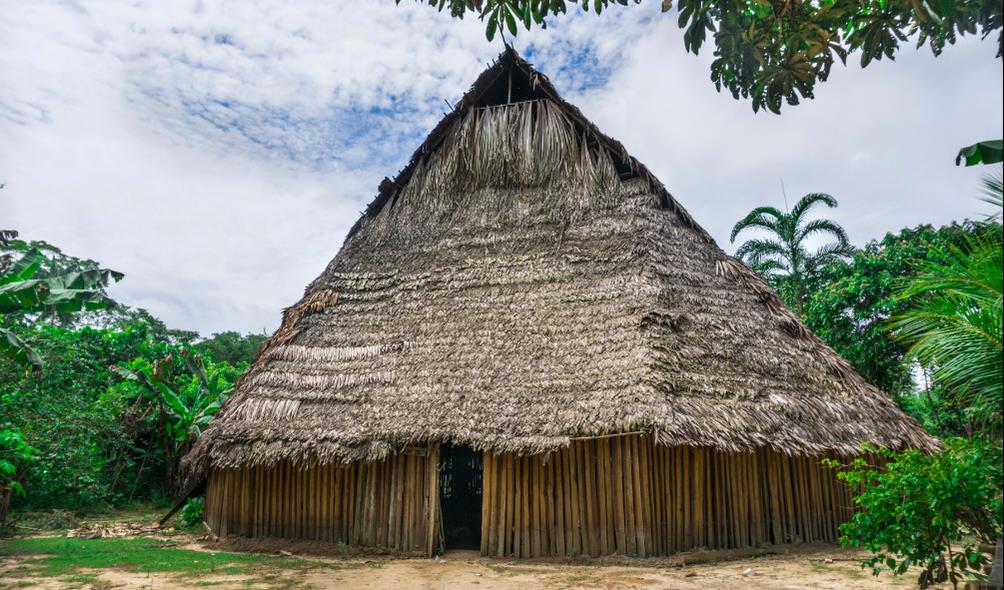
As you engage with their communities, you’ll notice their strong emphasis on family and communal living, where everyone plays a role in daily activities.
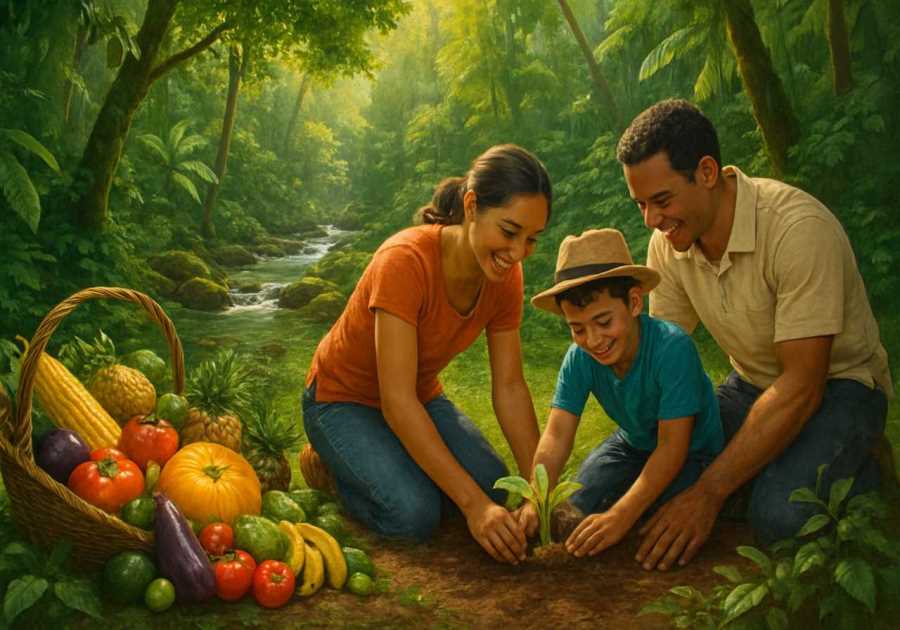
Agriculture remains central to their lifestyle, with crops like coffee and maize sustaining them.
The Kuna: Guardians of the San Blas Islands
Nestled in the stunning San Blas Islands, the Kuna people stand as guardians of their unique culture and environment.
You'll find their vibrant traditions reflected in their colorful mola textiles, which showcase intricate designs and stories of their ancestors. The Kuna maintain a close connection to nature, living sustainably and protecting their surrounding waters and lands.
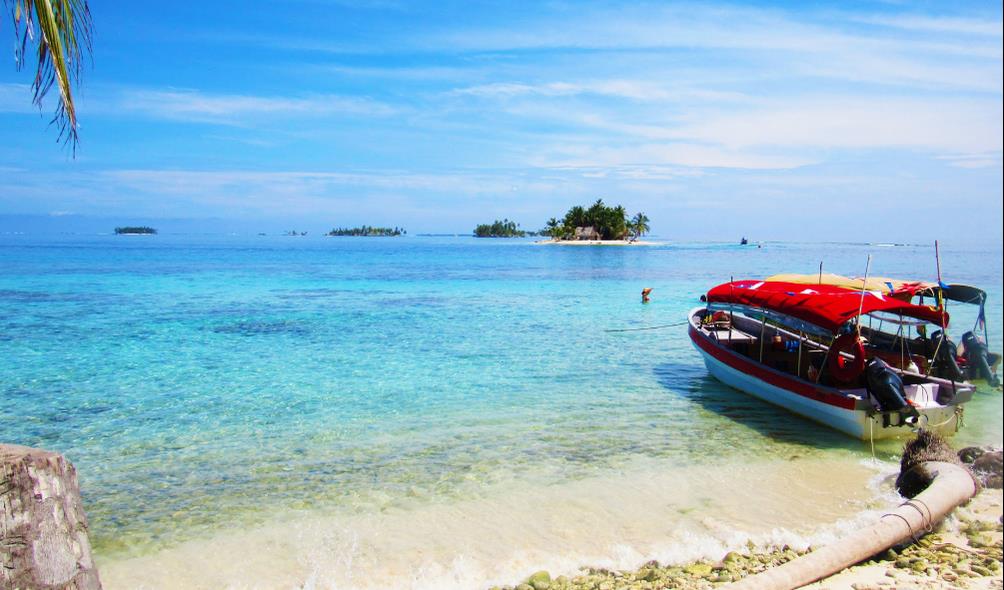
As you explore their villages, you'll witness their communal lifestyle, where decisions are made collectively, honoring their democratic roots. Engaging with the Kuna, you’ll experience their rich oral traditions and lively dances, which celebrate their history and spirituality.
Their commitment to preserving their identity amidst modern influences is truly inspiring, making your visit to the San Blas Islands an unforgettable journey into a living culture.
The Emberá: Tradition and Artistry
Beyond the vibrant shores of the San Blas Islands, the Emberá people showcase a rich tapestry of tradition and artistry in the lush rainforests of Panama.
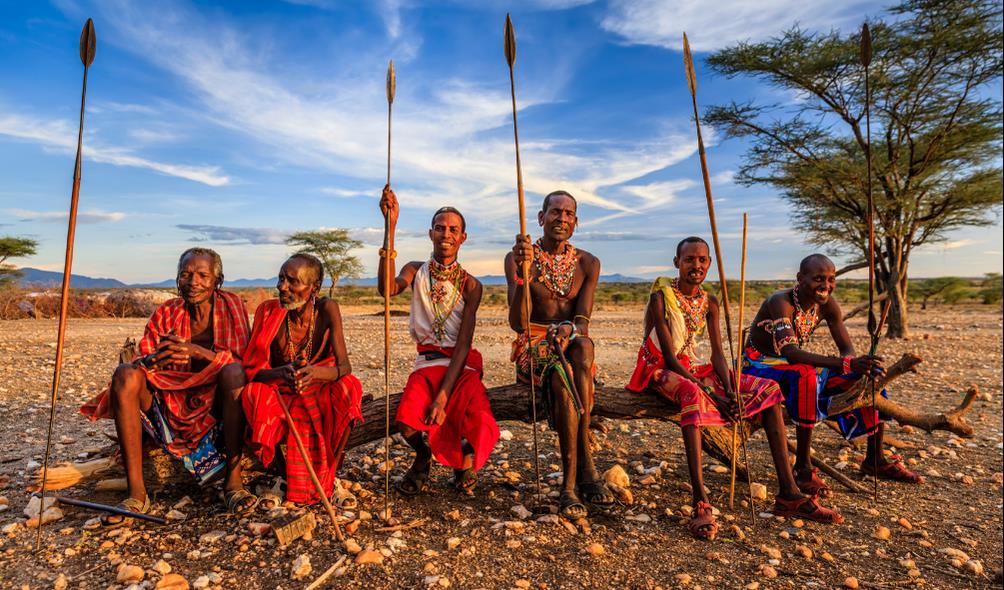
You’ll find their stunning craftsmanship, especially in intricate wood carvings and vibrant woven baskets. Each piece tells a story, reflecting their deep connection to nature and ancestral heritage.
As you engage with the Emberá, you’ll experience their traditional dances and music, which resonate with the rhythms of the forest. Their vibrant clothing, often adorned with colorful beadwork, highlights their cultural identity.
The Wounaan: Connection to Nature
Wounaan culture thrives in harmony with the lush ecosystems of Panama, where their deep connection to nature shapes every aspect of life.
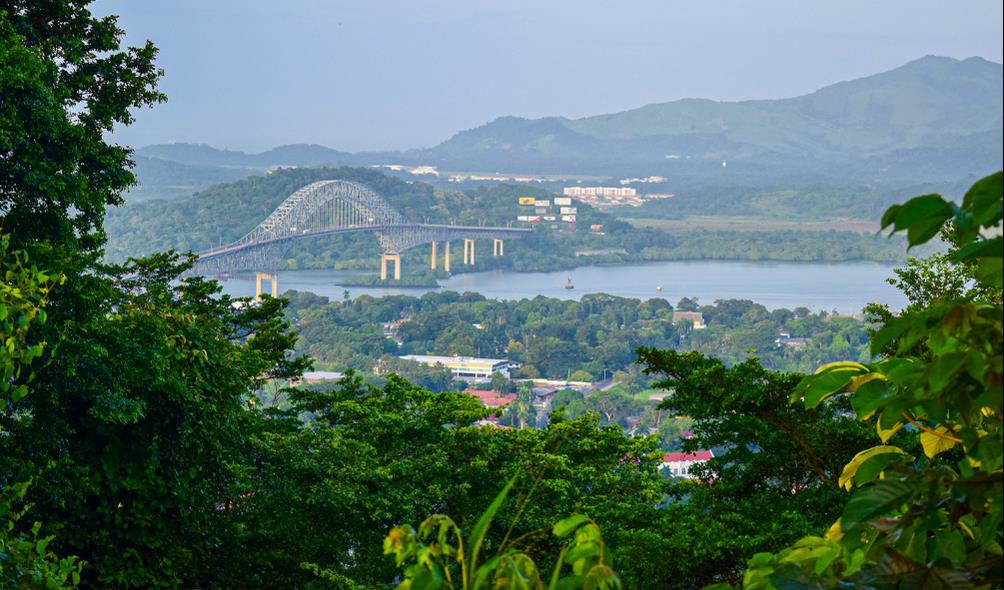
You’ll notice how they rely on the forest for food, medicine, and shelter. Each day, their lives are intertwined with the rhythms of the land and water. Traditional practices emphasize sustainability, ensuring that resources are used wisely and cherished.
As you explore their world, you'll see how they craft intricate baskets and tools from natural materials, showcasing their respect for the environment. Their spiritual beliefs also reflect this bond, as they honor the spirits of animals and plants.
The Bribri: Language and Legacy
While exploring the rich tapestry of Panama's Indigenous cultures, you’ll encounter the Bribri, whose language and traditions form a vital part of their identity.
The Bribri language, belonging to the Chibchan family, reflects their deep connection to nature and community. Spoken mainly in the Talamanca region, it’s a treasure trove of cultural knowledge. You'll find that the Bribri people use their language to pass down stories, rituals, and ancestral wisdom, ensuring their legacy thrives.
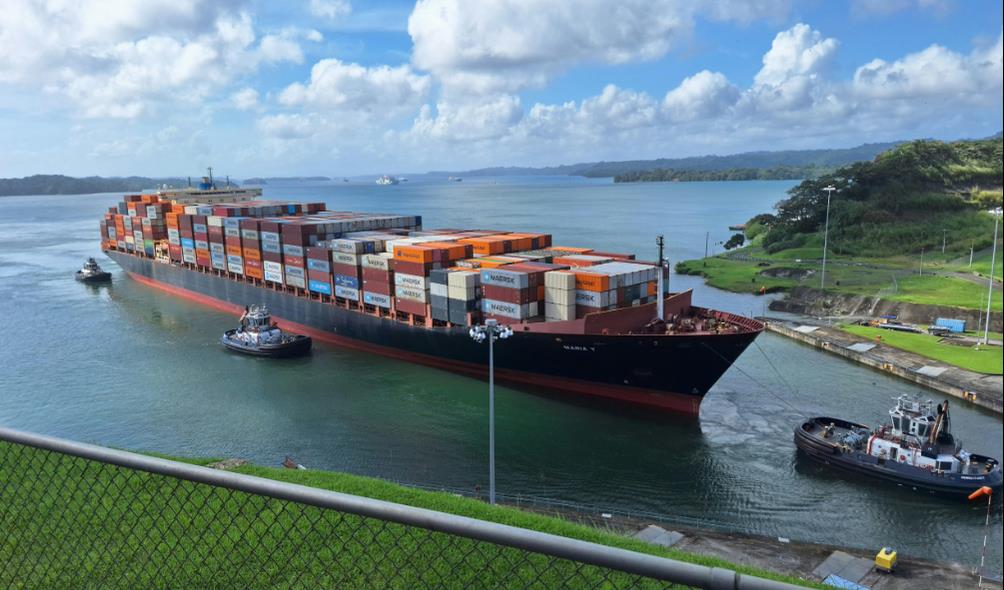
Their traditional practices, including farming and crafting, intertwine with their linguistic heritage.
As you engage with the Bribri, you’ll appreciate how their language shapes their worldview, preserving their history and cultural pride. This legacy continues to inspire future generations, keeping their identity vibrant and alive.
The Naso: Resilience and Autonomy
The Naso people exemplify resilience and autonomy as they navigate the challenges of modernity while fiercely protecting their cultural heritage.
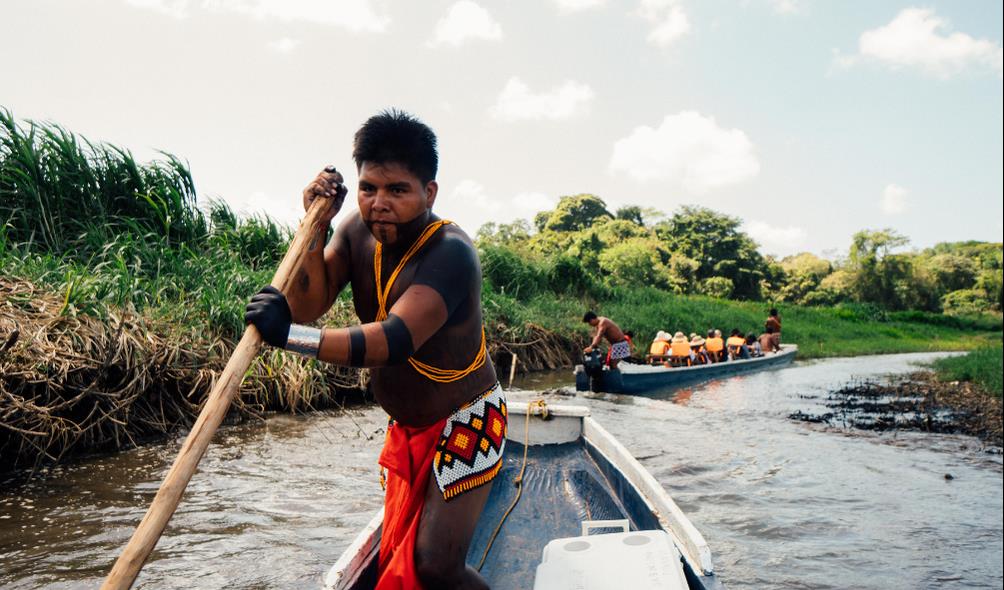
You’ll find them living along the Teribe River, where they maintain traditional practices, such as weaving and farming, despite external pressures. Their commitment to preserving their language and customs creates a strong sense of identity among community members.
You can observe their unique governance system, which emphasizes collective decision-making, allowing them to assert control over their land and resources.
The Buglé: Historical Significance
As you delve into the historical significance of the Buglé people, it becomes clear that their rich heritage reflects a deep connection to the land and their ancestors. The Buglé, part of the Ngäbe-Buglé comarca, emerged as a distinct group amid colonial pressures and the encroachment of settlers.
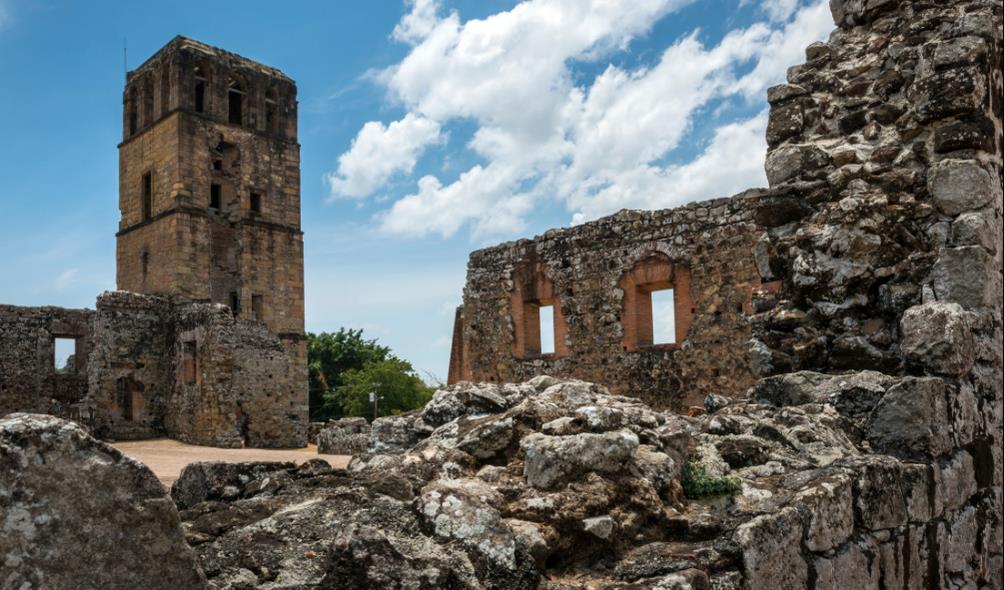
Their oral traditions preserve stories that illustrate their struggles and triumphs, emphasizing resilience in the face of adversity. This community has skillfully maintained agricultural practices, such as cultivating maize and yuca, which are central to their identity.
You’ll find that their traditional crafts, like weaving and pottery, showcase unique artistry passed down through generations. Through these practices, the Buglé not only honor their past but also forge their place in Panama’s diverse cultural landscape.
Current Challenges Facing Indigenous Groups
Despite their rich cultural heritage, Indigenous groups in Panama face numerous challenges today that threaten their way of life. One major issue is land encroachment; illegal logging and mining operations invade their territories, disrupting their traditional practices.
You might also find that many Indigenous communities struggle with limited access to education and healthcare, leading to disparities in well-being compared to other populations.
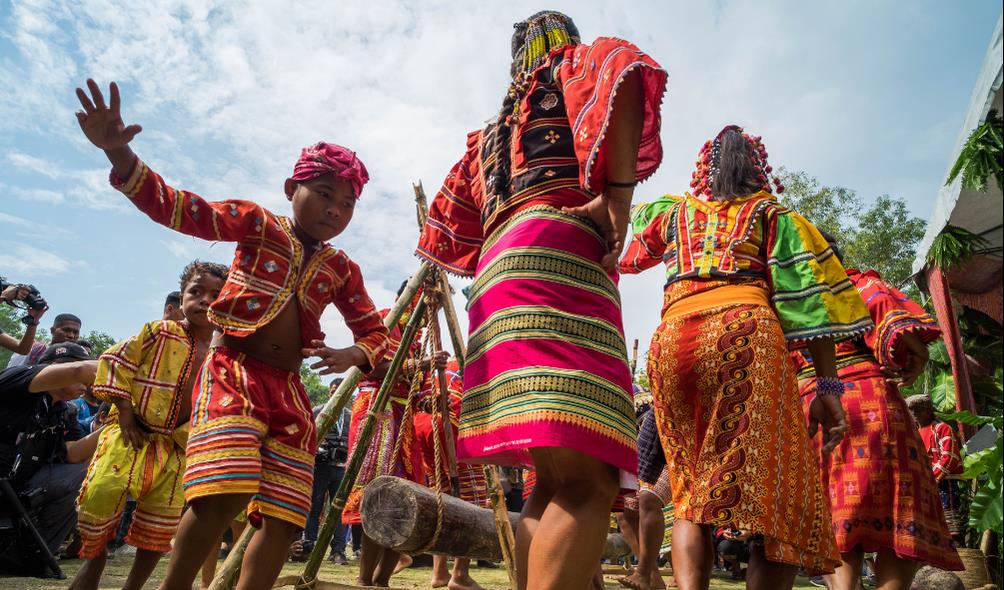
Furthermore, the younger generation often faces cultural dilution as globalization influences their lifestyles.
Language loss is another pressing concern, as many Indigenous languages are at risk of fading away.
Lastly, political representation remains weak, making it difficult for these groups to advocate for their rights and protect their interests effectively.
Efforts for Cultural Preservation
Amid the ongoing challenges Indigenous groups in Panama face, many communities are actively working to preserve their cultural heritage.
You’ll find that local leaders are organizing cultural festivals, showcasing traditional music, dance, and crafts, allowing younger generations to connect with their roots.
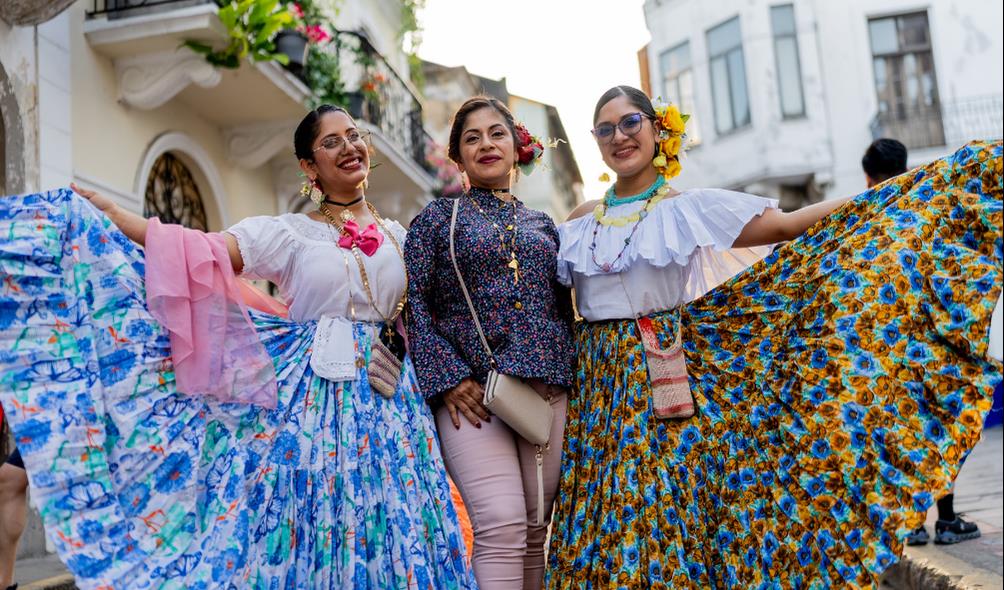
Language preservation programs are also gaining traction, with elders teaching children their native languages to ensure they aren’t lost.
Furthermore, many artisans are reviving ancient techniques, creating beautiful handicrafts that embody their history and beliefs.
Collaborations with NGOs and government initiatives are helping to document these traditions, providing resources for education and outreach.
The Future of Indigenous Cultures in Panama
While the challenges facing Indigenous cultures in Panama are significant, their future holds promise through resilience and innovation.
You're witnessing a growing movement among Indigenous communities to blend traditional practices with modern technology. By embracing social media, they’re sharing their stories and traditions globally, attracting support and interest.
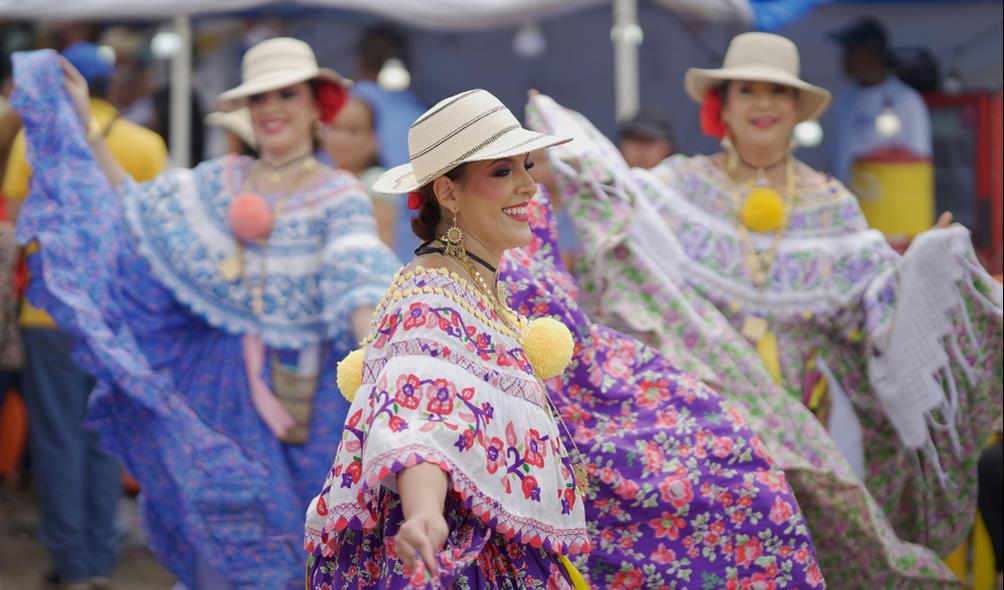
Educational initiatives are empowering younger generations to learn their languages and customs, ensuring cultural continuity. Additionally, sustainable tourism is providing economic opportunities while respecting their heritage.
You can play a role by supporting Indigenous artisans or participating in cultural events. Through these efforts, the vibrant cultures of Panama can thrive, adapting to change while preserving their unique identities for future generations.
The journey ahead is one of hope and determination.
Conclusion
Exploring the indigenous cultures of Panama reveals a rich tapestry of traditions and artistry that deserve recognition and preservation. As you learn about the Ngäbe-Buglé, Kuna, Emberá, and others, you see the resilience of these communities in the face of modern challenges. By supporting their efforts and respecting their heritage, you can play a part in ensuring that these vibrant cultures continue to thrive for generations to come. Embrace this journey and help keep their stories alive.
Statistics
- Indigenous languages in Panama are under threat, with some languages having only a few hundred speakers left, highlighting the urgent need for cultural preservation efforts.
- Panama is home to seven recognized indigenous groups, each with its own unique culture and traditions. These groups include the Ngäbe, Buglé, Guna, Emberá, Wounaan, Naso Tjërdi, and Bri Bri.
- The Naso Tjërdi recently gained official recognition for their comarca in 2020, marking a significant achievement in their pursuit of self-governance and cultural preservation.
- Indigenous territories, known as comarcas, cover about 22% of Panama's land area, providing these communities with recognized autonomy and land rights.
How to Support Indigenous Cultural Preservation in Panama
Supporting indigenous cultural preservation in Panama involves both awareness and action. Start by educating yourself about the challenges these communities face, such as land rights, language preservation, and economic opportunities. Contribute to organizations and initiatives that work towards cultural preservation and empowerment of indigenous communities. When visiting, choose eco-friendly and community-based tourism options that directly benefit the local people. Purchasing indigenous crafts and products supports traditional artisans and helps sustain their cultural practices. Advocating for policies that protect indigenous rights and promote their cultural heritage is another way to contribute to their preservation efforts.
Want to travel with more time and freedom?
The freedom to travel! Discover free & unique homestays around the world, in exchange for caring for adorable pets.
https://escapetomexiconow.com/ths
Recommended Resources:
Ready to explore life beyond borders? Check out our trusted guides to Mexico, Panama, and the Philippines — your gateways to new adventures, culture, and opportunity.
https://escapetomexiconow.com/
https://escapetomexiconow.info/
https://escapetopanamanow.info/
https://escapetothephilippinesnow.com/
YouTube Channel:
See Mexico like never before! From local culture to travel hacks, our YouTube channel brings the adventure straight to you.
https://www.youtube.com/@EscapeToMexicoNow