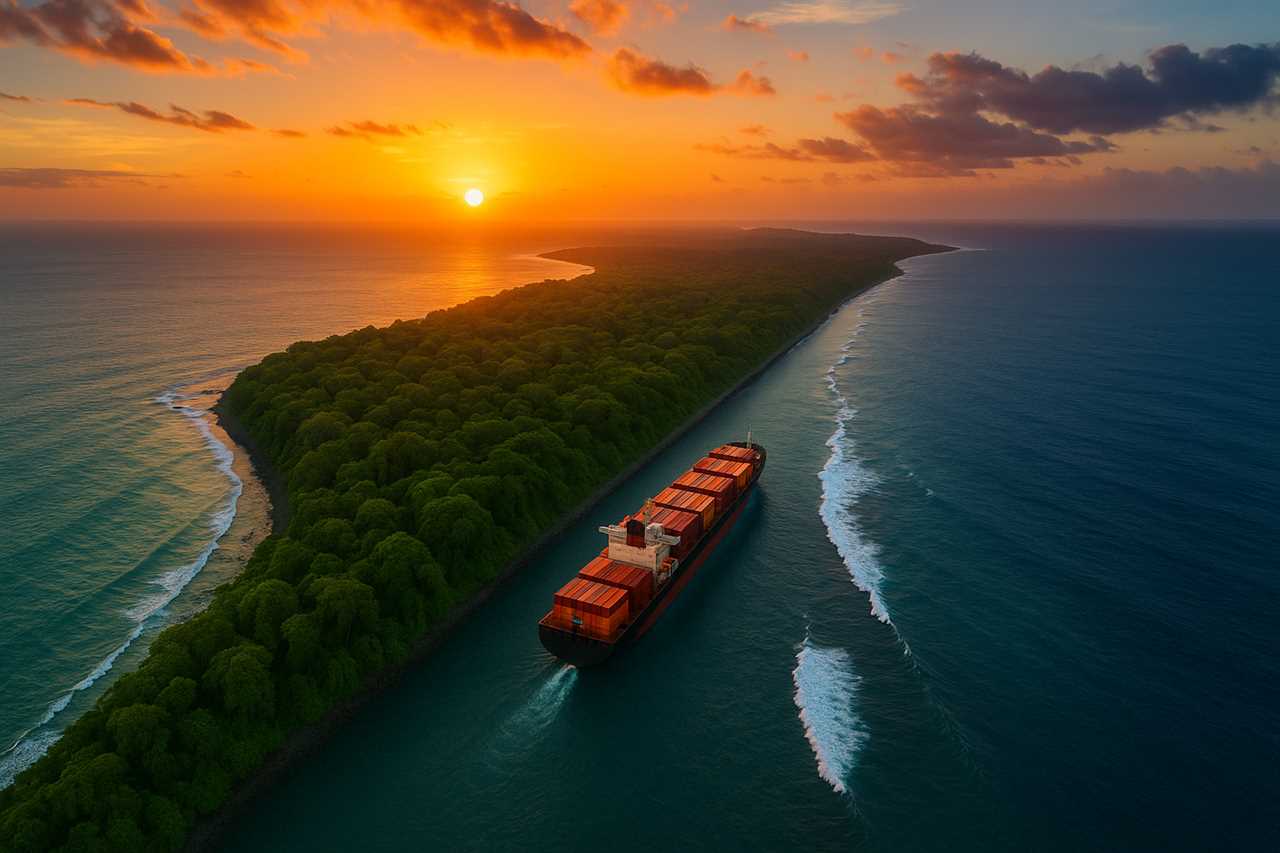
You might not realize how Panama's location has shaped its identity and economic landscape. Nestled between the Pacific and Atlantic Oceans, this small country serves as a crucial link for global trade. The completion of the Panama Canal in 1914 changed everything, but the story doesn’t end there. Explore how this unique setting weaves together diverse cultures and influences, creating a vibrant tapestry that defines modern Panama. What else lies beneath the surface?
The Historical Significance of Panama's Location
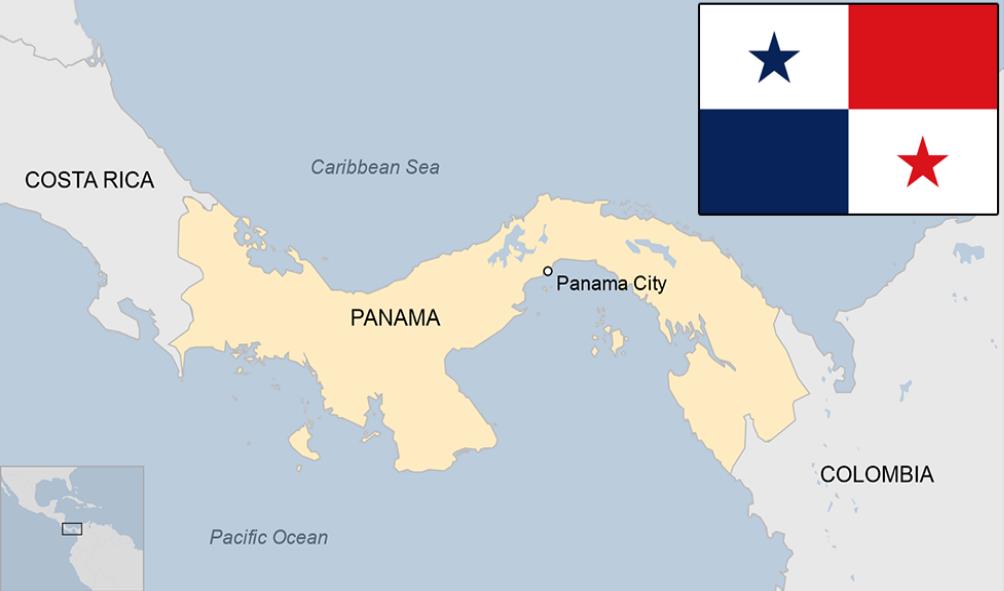
Since it sits between the Pacific and Atlantic Oceans, Panama has always held a strategic importance in global trade and exploration.
You’ll find that this narrow isthmus has been a vital connection point for explorers, traders, and travelers throughout history. The indigenous peoples recognized its value long before European explorers arrived, utilizing its resources and routes.
When the Spanish conquistadors sought quicker paths to the riches of the Americas, they too understood Panama's potential.
During the 19th century, it became central to gold rushes and transportation, with adventurers navigating its landscapes.
Today, Panama's unique location continues to shape its identity, blending cultures and fostering economic growth, making it a fascinating place to explore and understand its historical significance.
Panama Canal: The Lifeline of Global Trade
While many might overlook its significance, the Panama Canal serves as a crucial artery for global trade, transforming maritime navigation since its completion in 1914. This engineering marvel allows ships to transit between the Atlantic and Pacific Oceans, saving time and fuel.
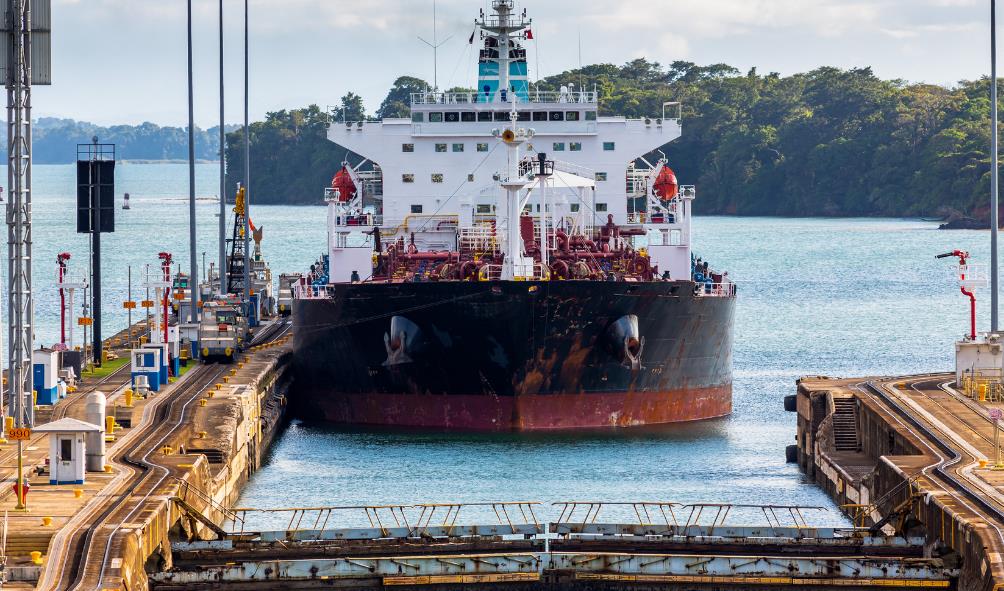
By significantly shortening travel distances, the canal enables you to enjoy lower shipping costs and faster delivery of goods. Today, around 14,000 vessels navigate its waters each year, transporting everything from consumer products to raw materials.
As the backbone of international trade, the canal's expansion in 2016 further boosted its capacity, accommodating larger vessels and increasing global shipping efficiency. Without it, the landscape of maritime commerce would be vastly different, emphasizing its vital role in today’s economy.
A Melting Pot of Cultures and Influences
Panama stands as a vibrant tapestry of cultures and influences, shaped by its unique history and geographical position.
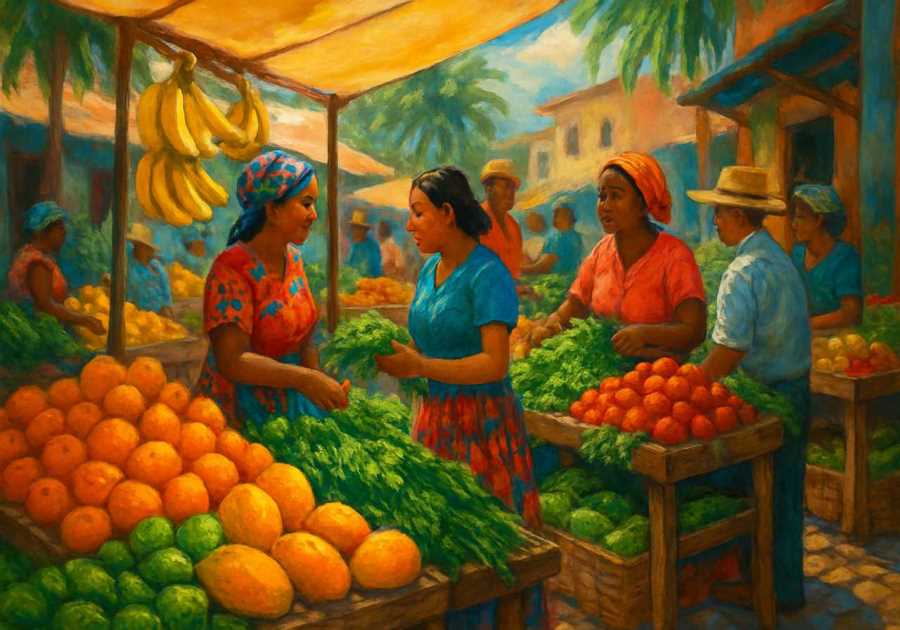
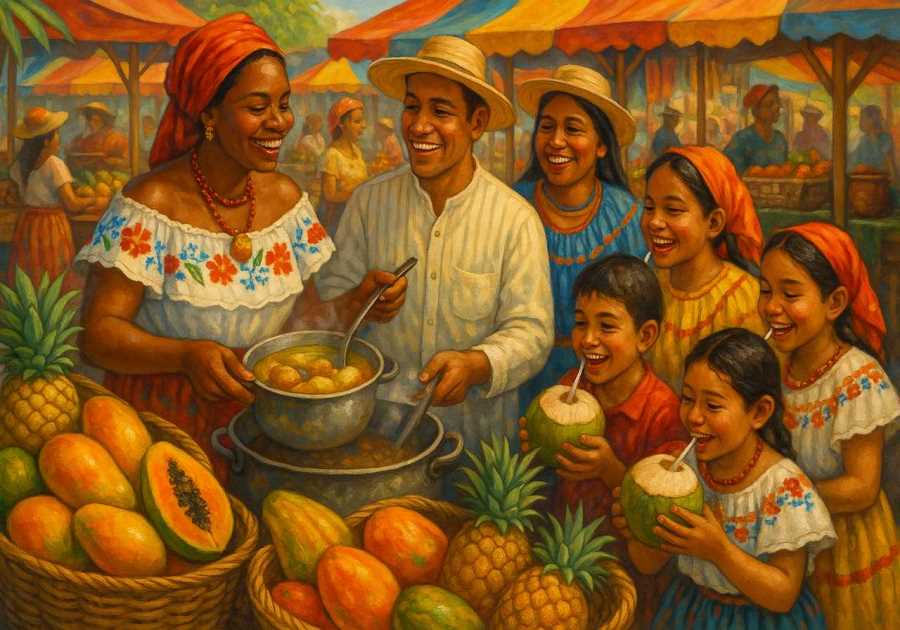
When you explore the streets of Panama City, you’ll encounter a blend of Afro-Caribbean, Spanish, and indigenous influences that create a lively atmosphere. The rich culinary scene invites you to savor dishes like sancocho and ceviche, reflecting this fusion.
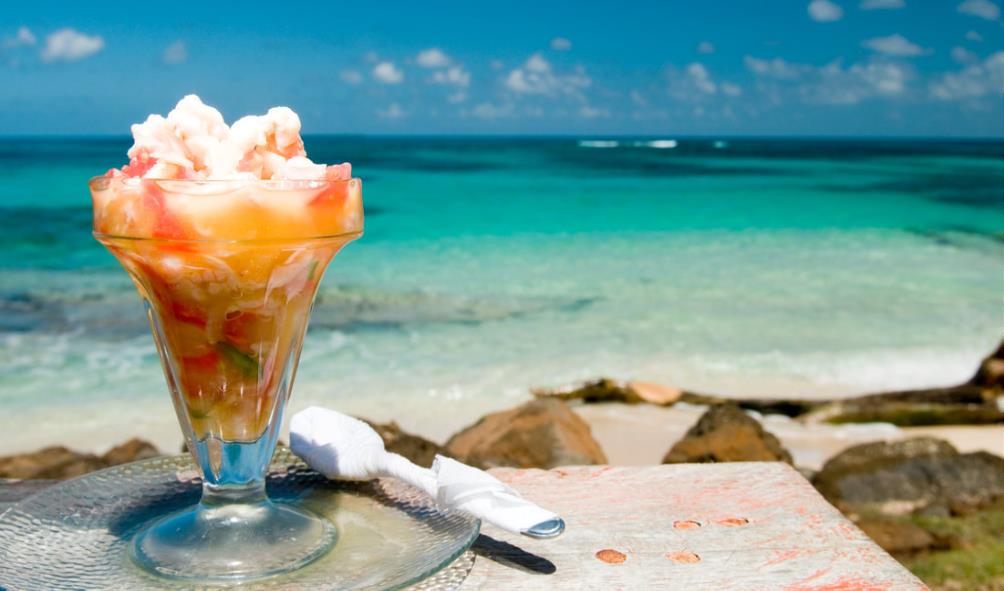
Festivals, too, showcase the colorful traditions of its diverse communities. You’ll find music styles from salsa to reggaeton pulsating through the air, inviting you to dance.
As you interact with locals, you’ll notice their warm hospitality and openness, embodying the spirit of unity.
In Panama, every corner reveals a story, reminding you of the beauty in diversity.
Indigenous Heritage: The Roots of Panama
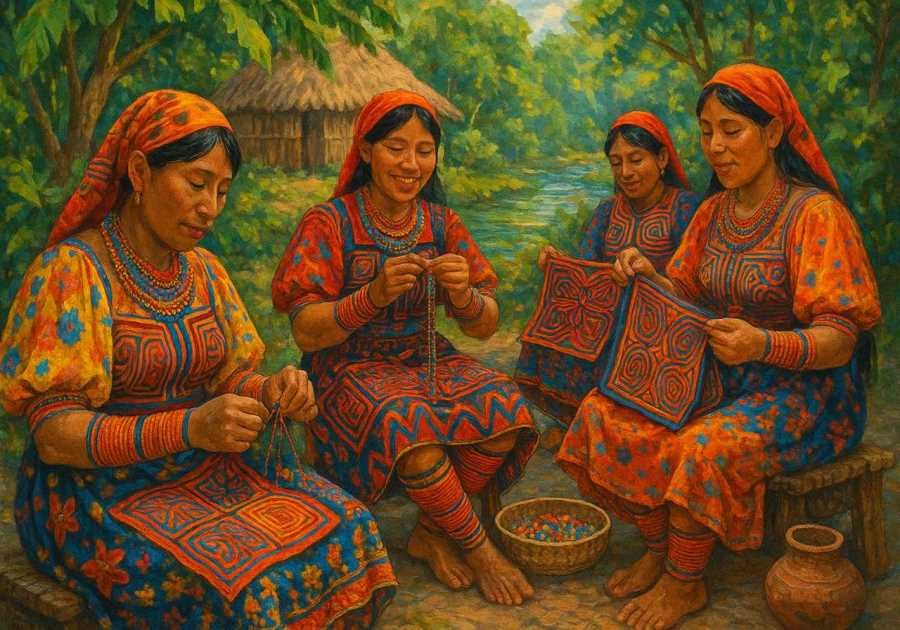
The vibrant culture of Panama is deeply rooted in its indigenous heritage, which plays a significant role in the nation's identity. When you explore Panama, you’ll encounter the Kuna, Ngäbe-Buglé, and Embera peoples, each with unique traditions, languages, and crafts.
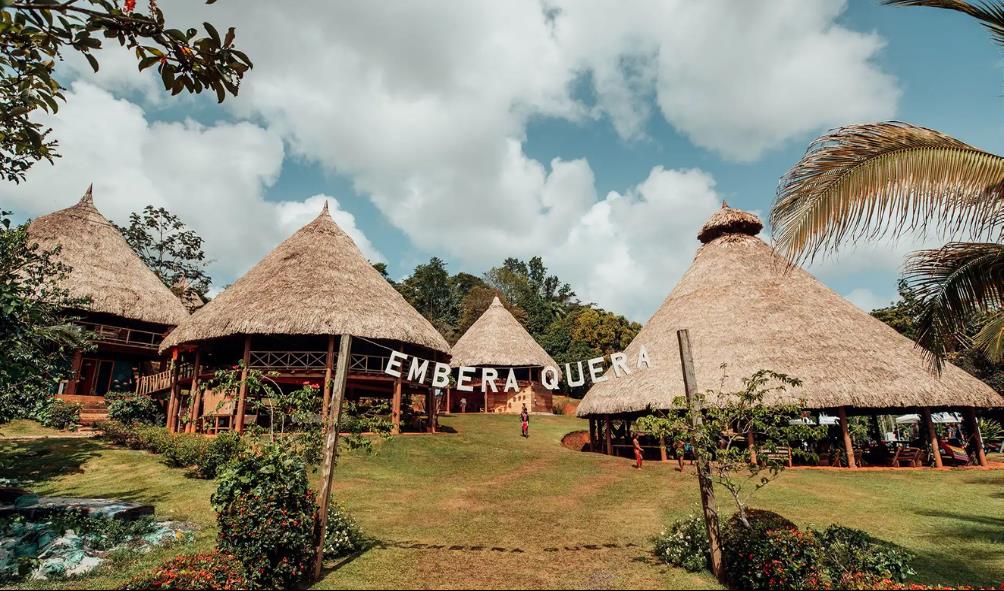
Their connection to the land is profound, reflecting centuries of knowledge passed down through generations. You can experience this heritage firsthand by visiting traditional villages, where vibrant textiles and intricate beadwork tell stories of their ancestors.
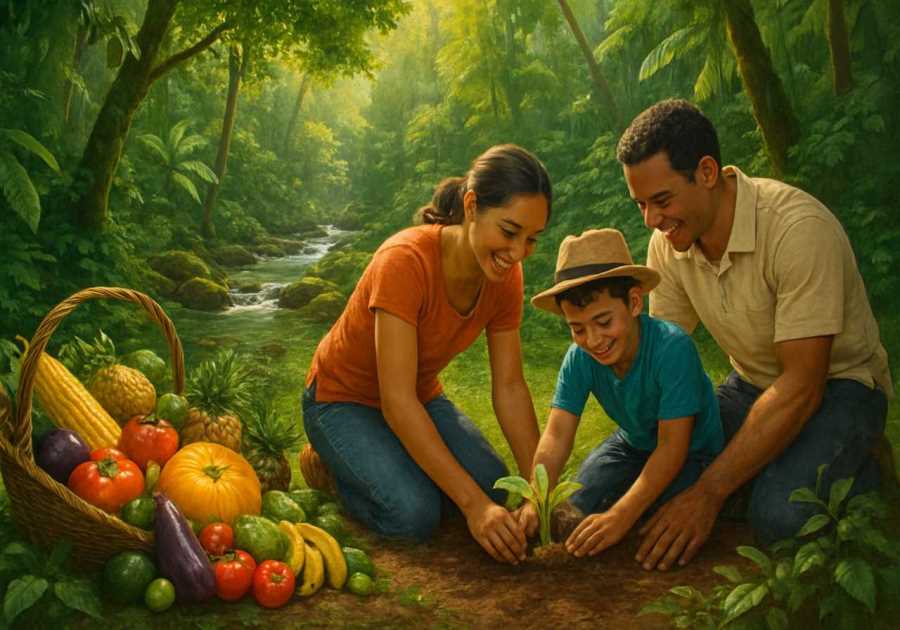
Engaging with local artisans allows you to appreciate the skill and passion behind their work. Additionally, the indigenous worldview emphasizes harmony with nature, offering valuable lessons in sustainability.
Afro-Caribbean Contributions to Panamanian Identity
As you delve into Panama's rich cultural landscape, you'll discover the profound influence of Afro-Caribbean communities on the nation's identity.
These vibrant groups, primarily descendants of workers from the Caribbean, have shaped Panama's music, dance, and cuisine. You'll find that calypso, reggae, and the infectious rhythms of salsa resonate throughout the country, reflecting a fusion of cultural expressions.
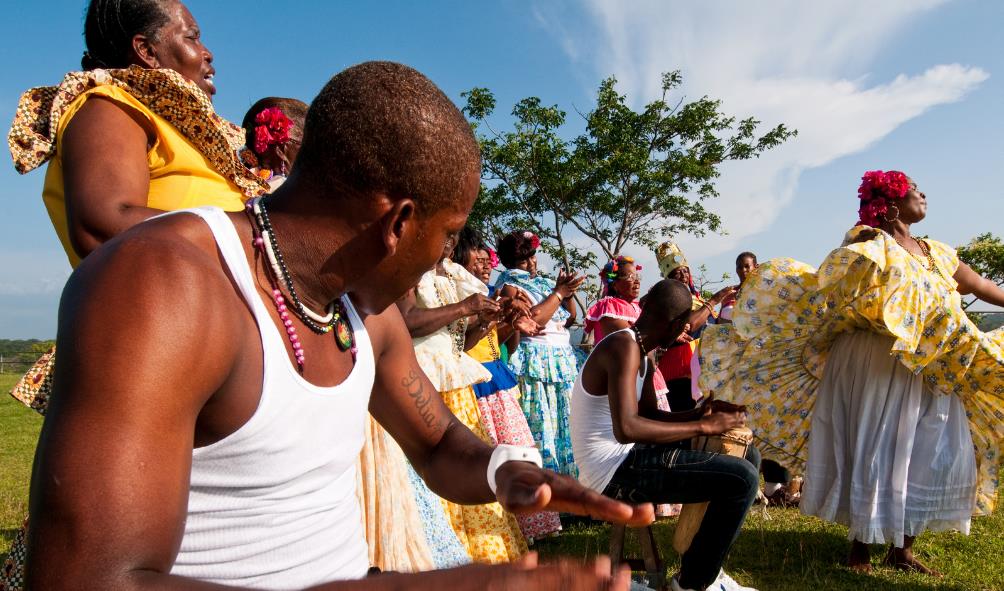
Festivals like the Afro-Caribbean Carnival showcase traditional costumes, lively parades, and a spirit of unity that binds diverse communities together.
Additionally, Afro-Caribbean cuisine, featuring dishes like rice and peas and jerk chicken, enriches Panama's culinary scene.
Biodiversity: Panama's Unique Ecosystems
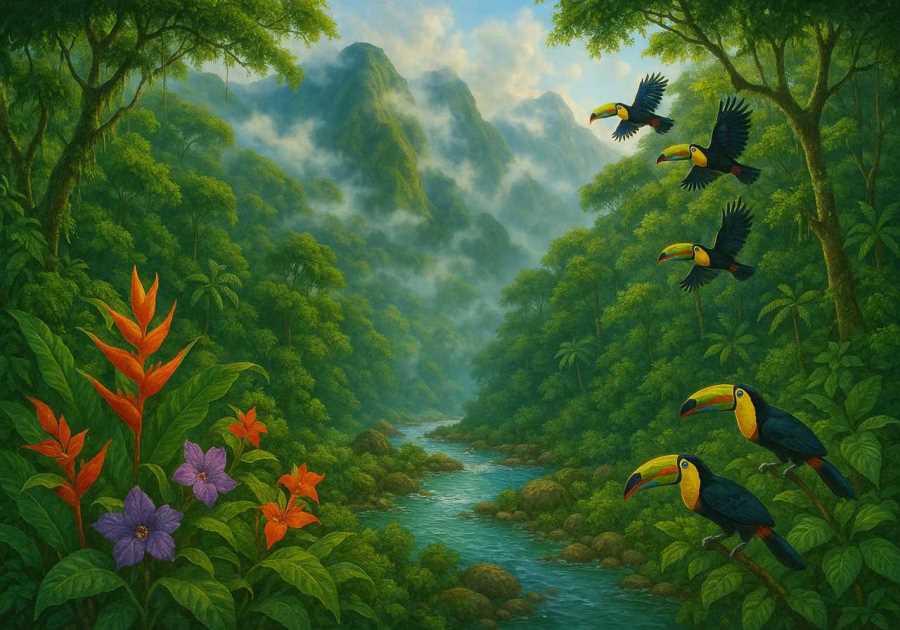
Nestled between the Pacific and Atlantic Oceans, Panama boasts an extraordinary array of ecosystems that play a crucial role in global biodiversity. You’ll find lush rainforests teeming with wildlife, from colorful birds to elusive jaguars.
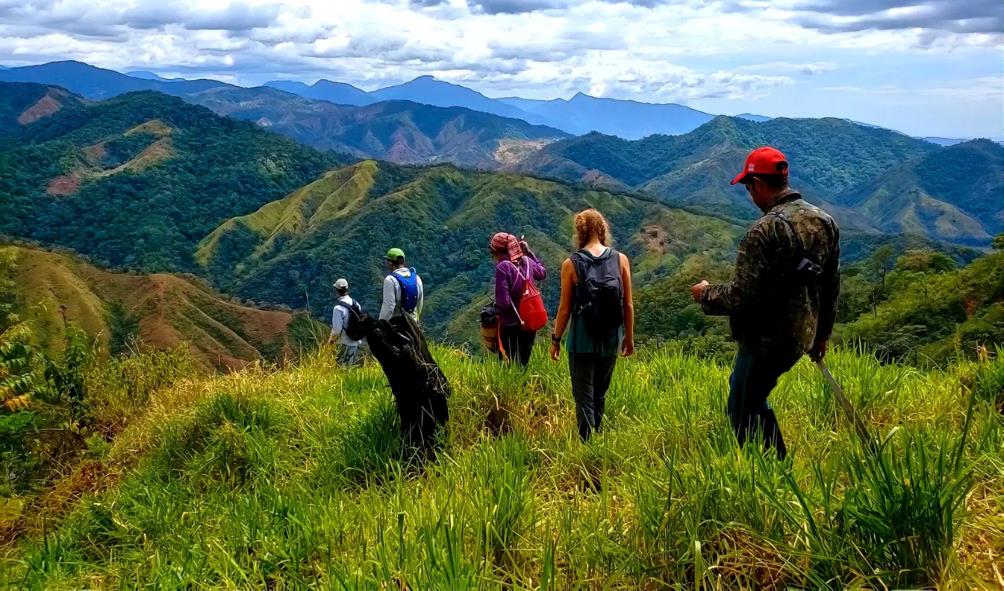
The country’s diverse habitats, including mangroves, cloud forests, and coral reefs, support thousands of species, many of which are endemic. As you explore, you'll encounter unique flora and fauna that thrive in this vibrant environment.
Panama's varied climates create microhabitats, allowing for remarkable adaptations among its inhabitants. This rich biodiversity isn’t just fascinating; it’s vital for ecological balance and climate regulation.
Economic Growth and Challenges in a Globalized World
In today's interconnected world, Panama stands at a crossroads of economic opportunity and challenge. You see a vibrant economy fueled by its strategic location, the Panama Canal, and a burgeoning service sector.
However, navigating global markets can be tricky. You face challenges like income inequality and a heavy reliance on a few key industries, which can make the economy vulnerable to external shocks. Moreover, as globalization accelerates, you must balance economic growth with environmental sustainability.
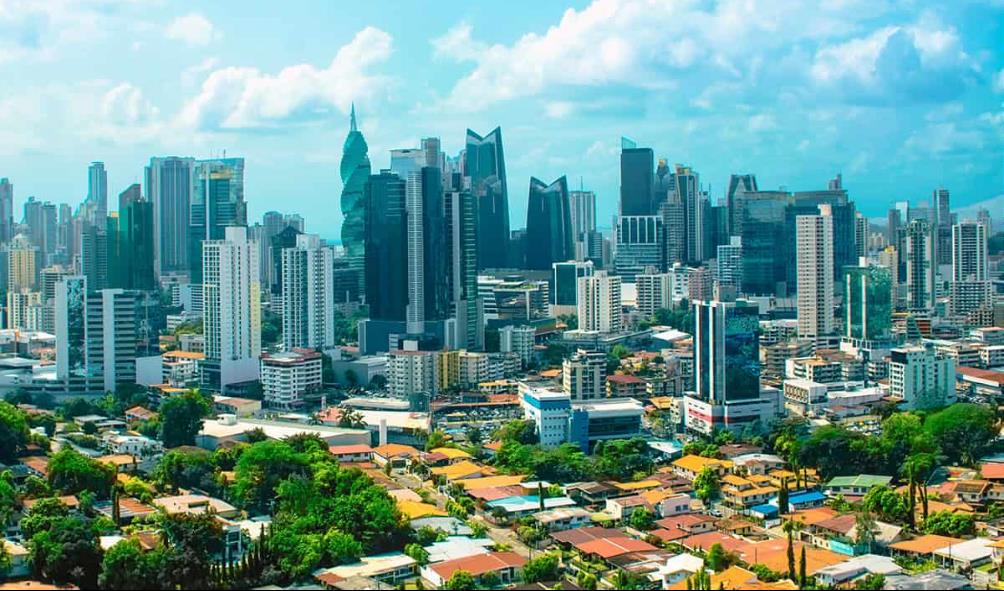
Embracing innovation and diversifying your economy could help mitigate these risks. By investing in education and infrastructure, you’ll prepare your workforce for the future.
Ultimately, it’s about harnessing your unique position to foster resilience and sustainable growth in a rapidly changing global landscape.
Tourism: Discovering Panama's Rich Heritage
Panama's rich heritage offers a captivating blend of cultures, making it a must-visit destination for travelers. You'll discover a vibrant mix of indigenous, African, and Spanish influences throughout the country.
Explore the historic streets of Casco Viejo, where colonial architecture tells stories of the past. Visit indigenous communities to learn about their traditions and crafts, or immerse yourself in the lively atmosphere of Panama's festivals, filled with music and dance.
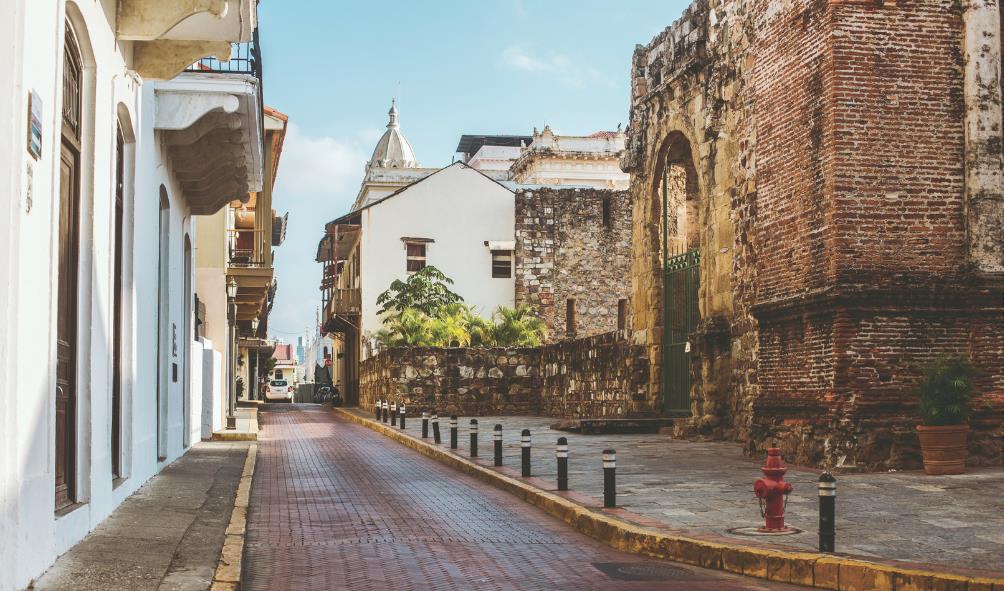
Don’t miss the chance to savor local cuisine, which reflects the diverse cultural tapestry.
Whether you’re hiking through lush rainforests or relaxing on stunning beaches, you’ll find that every corner of Panama reveals its unique history and charm. Your adventure here will undoubtedly enrich your understanding of this remarkable nation.
The Future of Panama: Balancing Tradition and Modernity
As Panama embraces its future, it faces the challenge of balancing rich traditions with modern advancements.
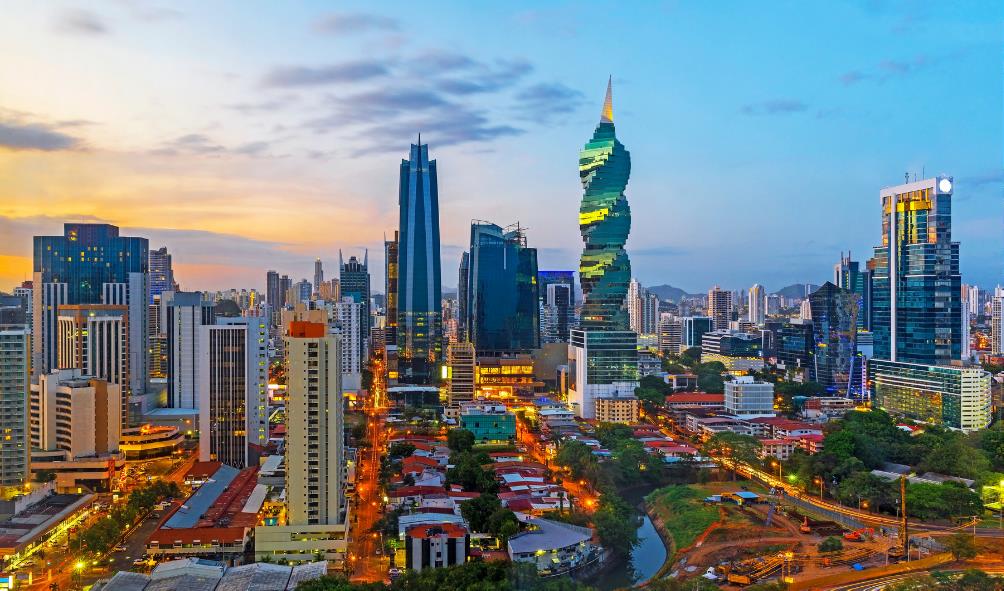
You’ll witness the vibrant culture that thrives alongside rapid development, as the nation navigates economic growth while honoring its heritage. In cities like Panama City, sleek skyscrapers rise beside colonial architecture, creating a unique skyline that reflects this duality.
You might find local artisans preserving traditional crafts, even as digital innovation transforms industries. The education system also adapts, blending conventional teachings with technology to prepare future generations.
Celebrating Diversity: Festivals and Cultural Expressions
Rich traditions and modern advancements come together in Panama’s vibrant festivals, showcasing the nation's diverse cultural expressions.
You’ll find colorful parades during Carnival, where locals and visitors dance in the streets, celebrating life and unity.
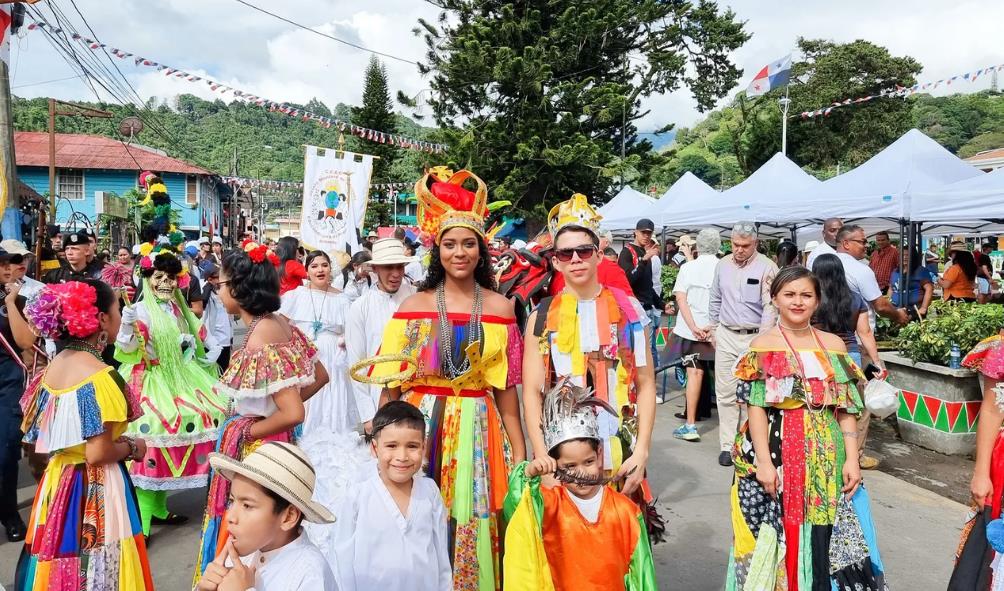
The Festival de la Mejorana in Guararé highlights traditional music and folk dances, allowing you to connect with Panama’s roots.
During the Día de los Muertos, you'll witness families honoring their ancestors with altars adorned with flowers and food.
Each celebration invites you to experience the rich tapestry of cultures that coexist in Panama, from Indigenous heritage to Afro-Caribbean influences.
Conclusion
Panama's unique position between two oceans offers a vibrant blend of cultures and a rich history that shapes its identity. As you explore this dynamic nation, you'll witness the powerful influence of Indigenous and Afro-Caribbean heritages, as well as the economic opportunities presented by the Panama Canal. Embracing both tradition and modernity, Panama stands as a testament to resilience and diversity, inviting you to celebrate its festivals and experience its remarkable journey through time.
Statistics
- Nearly 80% of Panama's population resides in urban areas, with Panama City being the largest city and a major hub for international business and finance.
- Panama is home to the Panama Canal, a critical waterway that connects the Atlantic and Pacific Oceans, facilitating the passage of over 14,000 vessels annually.
- Panama is one of the few places in the world where you can see the sunrise on the Pacific Ocean and set on the Atlantic Ocean from the same spot.
- Panama boasts a diverse ecosystem, with over 1,000 species of birds, making it a premier destination for birdwatching enthusiasts.
External Links
- World Bank: Panama Overview explores Panama's economic landscape and its strategic importance in global trade.
- National Geographic: Panama Travel Guide delves into Panama's natural beauty and its position as a link between two continents.
- Panama Canal Authority provides comprehensive information about the Panama Canal's operations and its economic impact.
- UNESCO World Heritage: Panama lists Panama's World Heritage sites, underlining its cultural and historical significance.
How To Experience Panama's Biodiversity
Experiencing Panama's rich biodiversity is a must for nature enthusiasts. Begin by visiting the country's numerous national parks and reserves, such as Soberanía National Park and Coiba National Park, which offer diverse ecosystems and wildlife. Engage in guided tours and hikes to explore the lush rainforests and spot unique species, including over 1,000 bird species. For marine life, embark on snorkeling or diving excursions in the waters of the Pacific and Atlantic coasts. Additionally, visit the Smithsonian Tropical Research Institute for educational insights into Panama's ecological research. By immersing yourself in these natural wonders, you can fully appreciate Panama's role as a biological corridor between two continents.
Want to travel with more time and freedom?
The freedom to travel! Discover free & unique homestays around the world, in exchange for caring for adorable pets.
https://escapetomexiconow.com/ths
Recommended Resources:
Ready to explore life beyond borders? Check out our trusted guides to Mexico, Panama, and the Philippines — your gateways to new adventures, culture, and opportunity.
https://escapetomexiconow.com/
https://escapetomexiconow.info/
https://escapetopanamanow.info/
https://escapetothephilippinesnow.com/
YouTube Channel:
See Mexico like never before! From local culture to travel hacks, our YouTube channel brings the adventure straight to you.
https://www.youtube.com/@EscapeToMexicoNow