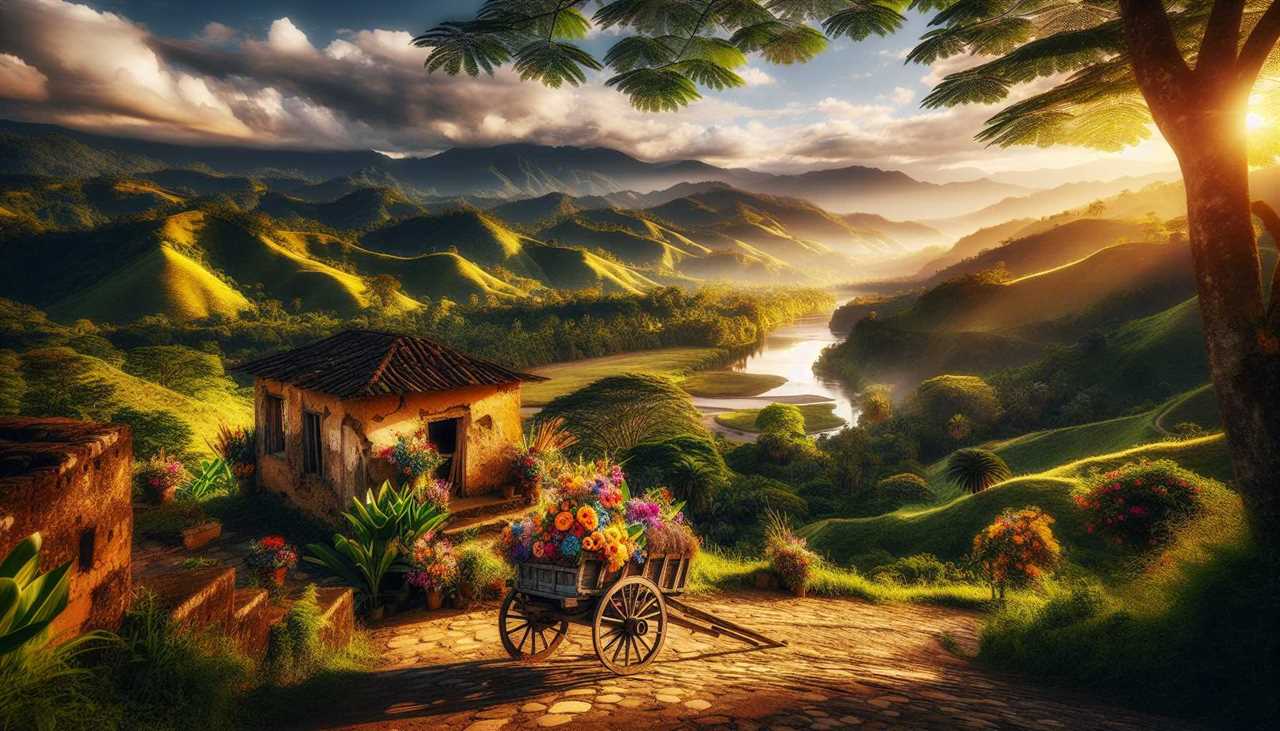
When you explore the history of Veraguas, you'll uncover a fascinating blend of indigenous roots and Spanish influences. The Ngäbe-Buglé people's legacy is still evident today, as is the region's significant role in Panama's quest for independence. Each layer of this history adds depth to the culture you see. But how did these elements intertwine to shape modern Veraguas? The answer lies in its vibrant traditions and economic evolution.
Indigenous Heritage of Veraguas
Although Veraguas is often associated with Spanish colonial history, its indigenous heritage runs deep and shapes the region's identity.
You’ll discover that the Ngäbe-Buglé people, the largest indigenous group in the area, have a rich culture that dates back centuries. Their traditions, language, and crafts reflect a profound connection to the land.
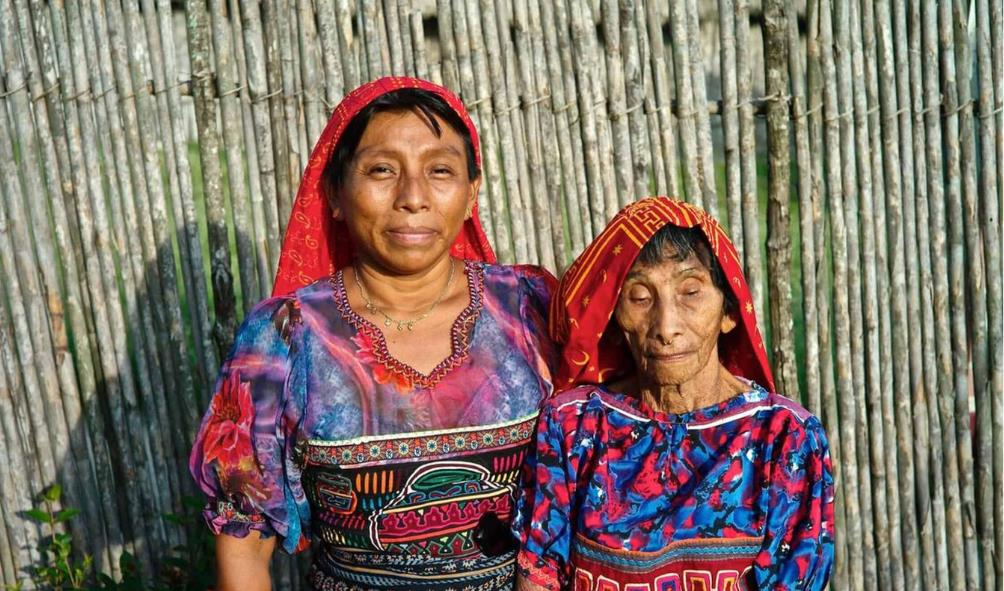
As you explore, you’ll notice vibrant textiles and intricate pottery that showcase their artistic skills. The region’s lush landscapes aren't just beautiful; they’re also significant to their spiritual beliefs.
Participating in local festivals, you’ll experience their music and dance, which keep ancestral stories alive. By engaging with the indigenous communities, you’ll gain a deeper appreciation for Veraguas' unique heritage and its lasting impact on the region.
Spanish Colonization and Its Impact
As Spanish explorers arrived in the 16th century, they began to reshape the landscape and culture of Veraguas dramatically.
You'd see them establishing settlements, introducing European agricultural practices, and exploiting local resources. The indigenous population faced immense challenges as the Spanish imposed their language, religion, and customs.
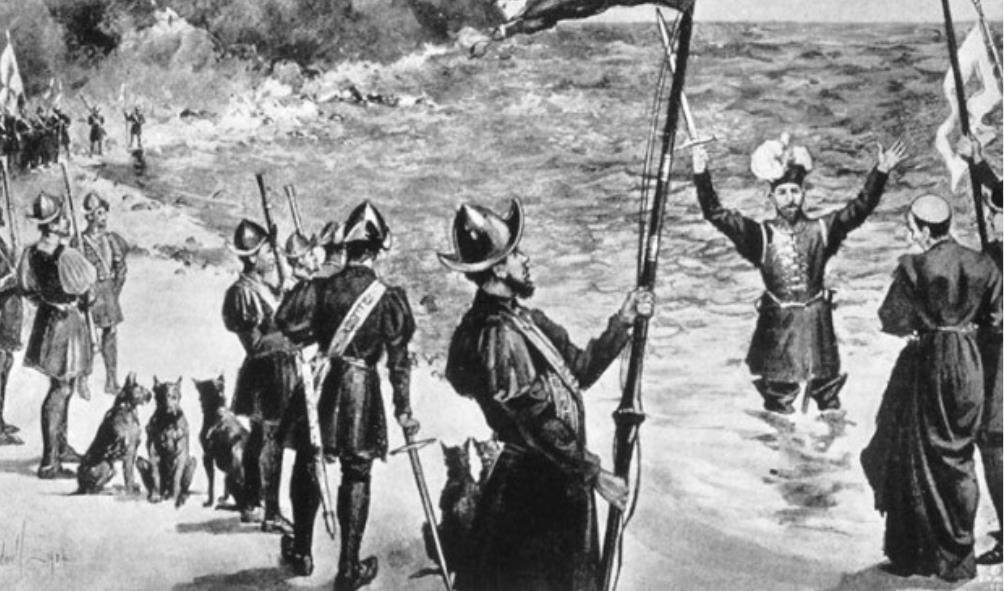
Missionaries worked tirelessly to convert the natives, often disregarding their beliefs and traditions. This cultural clash led to significant changes in social structures, as many indigenous people were forced into labor systems like encomienda.
You can trace the lasting impact of this colonization in modern Veraguas, where elements of Spanish heritage blend with indigenous roots.
The region's architecture, cuisine, and festivals provide a glimpse into this transformative period.
The Role of Veraguas in Panama's Independence
While exploring the path to Panama's independence, you’ll find that Veraguas played a crucial role during this pivotal time in history.
The region became a hotbed of revolutionary activity, with local leaders rallying support against Spanish rule. Many residents, driven by a desire for freedom, joined forces with other provinces to push for independence.
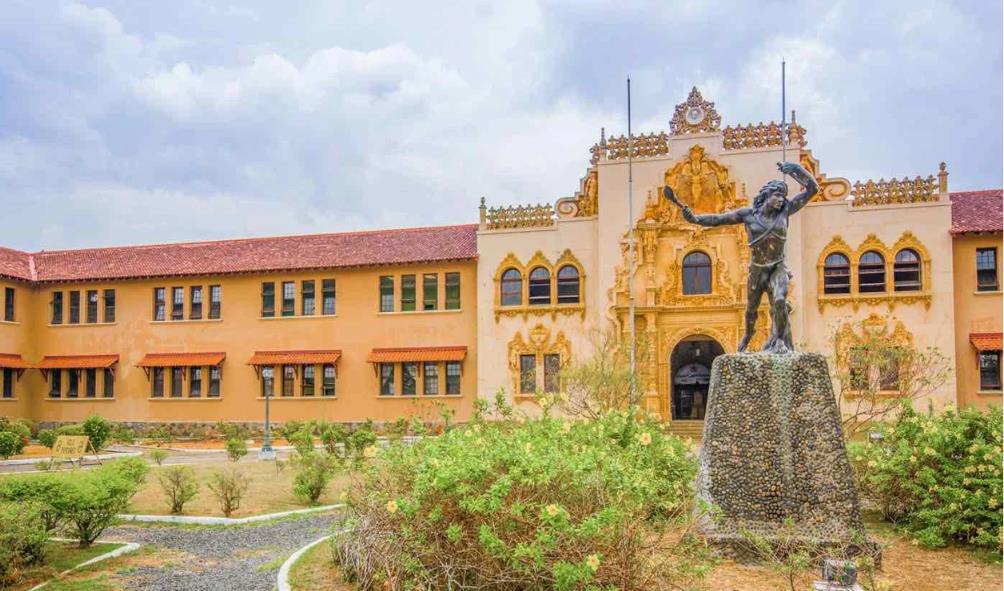
Veraguas was strategically important, as its geography facilitated communication and troop movement. Furthermore, the people’s commitment to the cause helped to inspire neighboring areas, amplifying the fight for liberation.
As you delve deeper, you’ll see that the unity and determination of Veraguas’ inhabitants laid the groundwork for a successful struggle, ultimately contributing to Panama’s emergence as an independent nation.
Economic Development Through Agriculture and Trade
Economic development in Veraguas flourished through agriculture and trade, significantly shaping the region's prosperity.
You’d find that the fertile lands allowed for diverse crops, from rice to coffee, which became vital for both local consumption and export. With a growing agricultural sector, farmers sought better techniques and practices, boosting overall productivity.
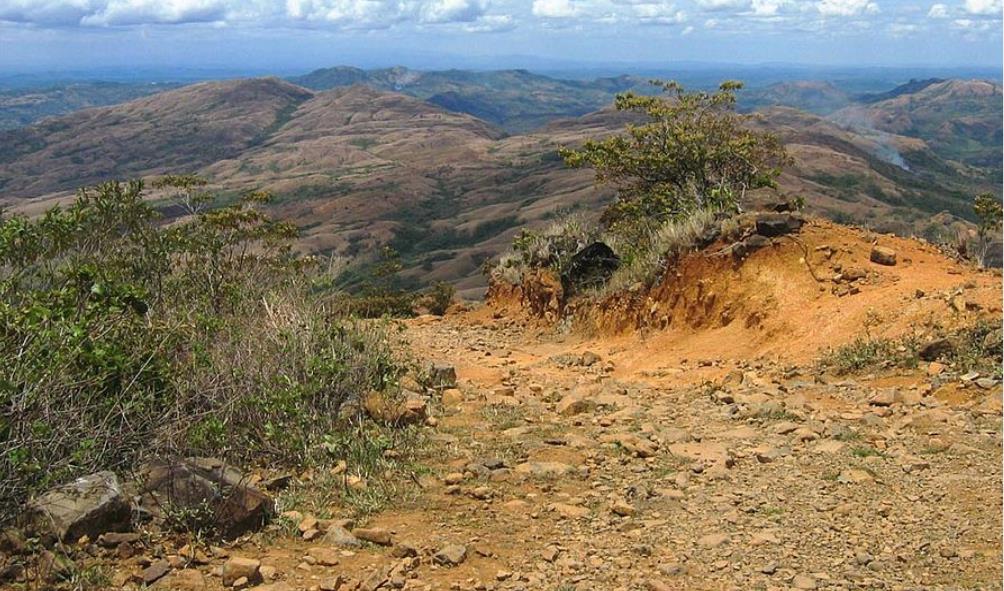
Trade routes developed, connecting Veraguas to larger markets, enhancing economic opportunities. You’d see merchants actively engaging in commerce, exchanging goods not just locally, but also with neighboring countries. This exchange fostered a sense of community and collaboration among residents.
As you explore the region, you can appreciate how these economic activities laid a foundation for growth, transforming Veraguas into a vital player in Panama's overall economic landscape.
Cultural Influences and Traditions
Cultural influences and traditions in Veraguas reflect a rich tapestry woven from its indigenous heritage, Spanish colonization, and Afro-Panamanian roots.
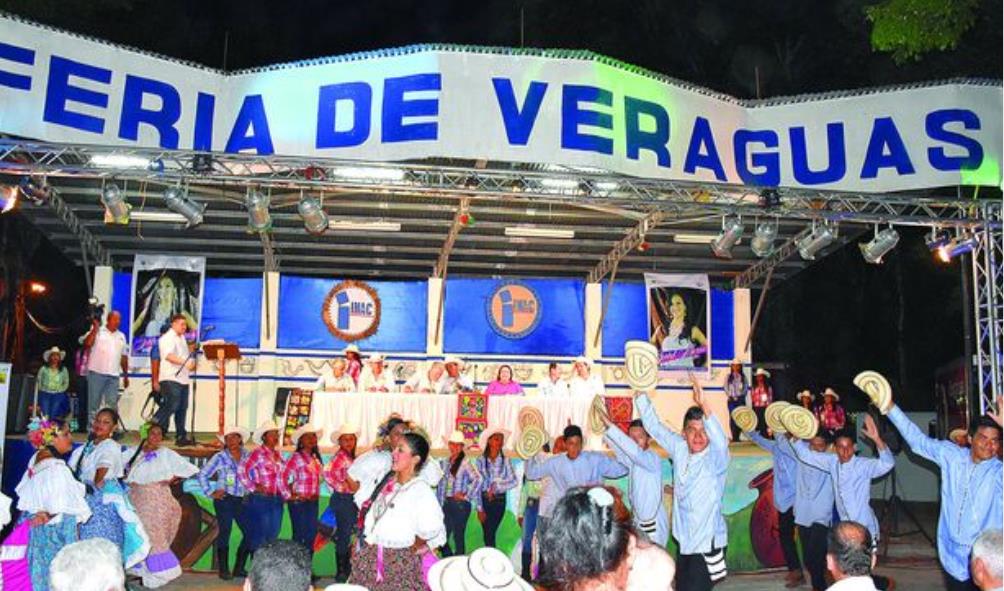
You’ll find vibrant festivals celebrating local customs, such as the Feria de Veraguas, showcasing traditional music, dance, and art. The sounds of marimba and folkloric rhythms fill the air, inviting you to join in the celebration.
In everyday life, you'll notice the fusion of culinary traditions, where indigenous ingredients blend with Spanish flavors, creating unique dishes like sancocho and arroz con pollo.
Additionally, traditional crafts, such as pottery and weaving, tell stories of the region's history. As you explore Veraguas, you’ll experience a community that honors its past while embracing a dynamic cultural identity.
Significant Historical Figures From Veraguas
The vibrant traditions of Veraguas are deeply intertwined with its history, shaped by the significant figures who've emerged from the region. You might recognize names like Manuel José Hurtado, a prominent leader during the fight for independence, or José de Obaldía, a key political figure who served as president. Their contributions helped define the path of Veraguas and its people.
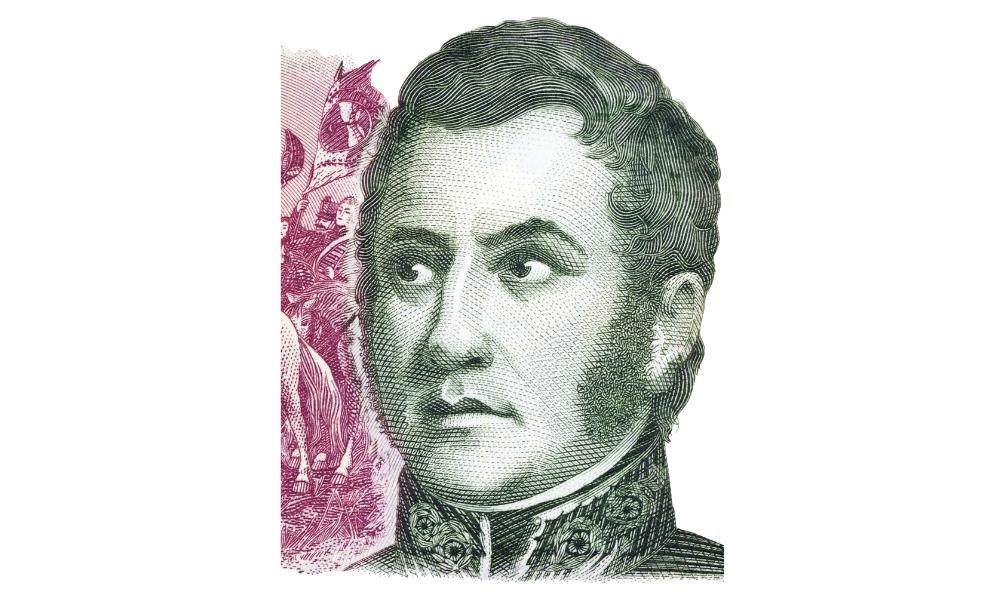
Additionally, figures like María de la Luz de La Rosa, an advocate for women's rights, played vital roles in social reform. Through their actions, they’ve inspired generations to embrace their heritage and strive for progress.
These historical figures not only represent Veraguas' past but also continue to influence its identity today.
Modern-Day Veraguas: A Blend of Old and New
While exploring modern-day Veraguas, you’ll find a unique blend of tradition and contemporary influences that shape its vibrant identity.
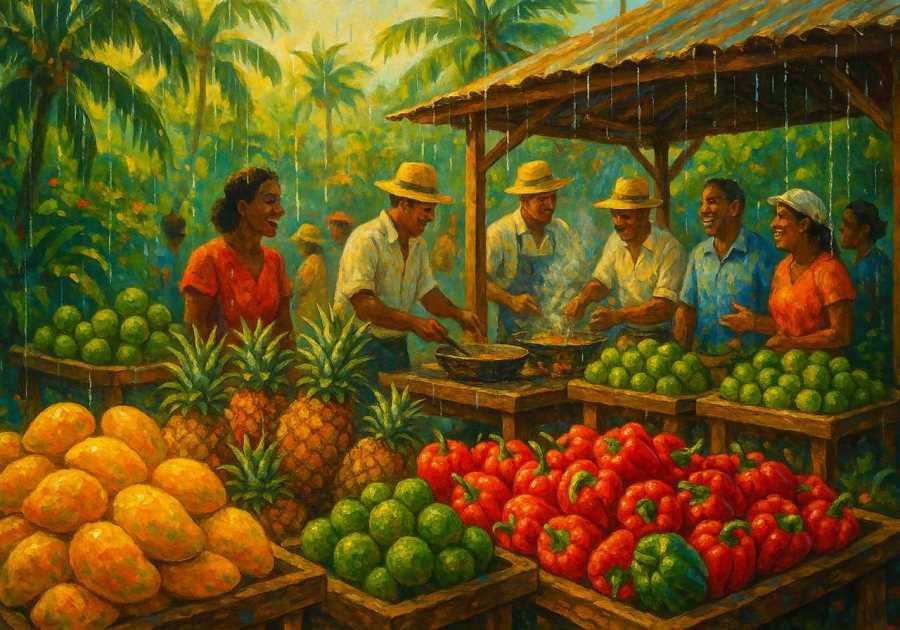
The bustling markets, filled with local crafts and fresh produce, showcase the rich cultural heritage that residents cherish. You can stroll through charming colonial towns, where historic buildings stand proudly next to modern cafes and galleries.
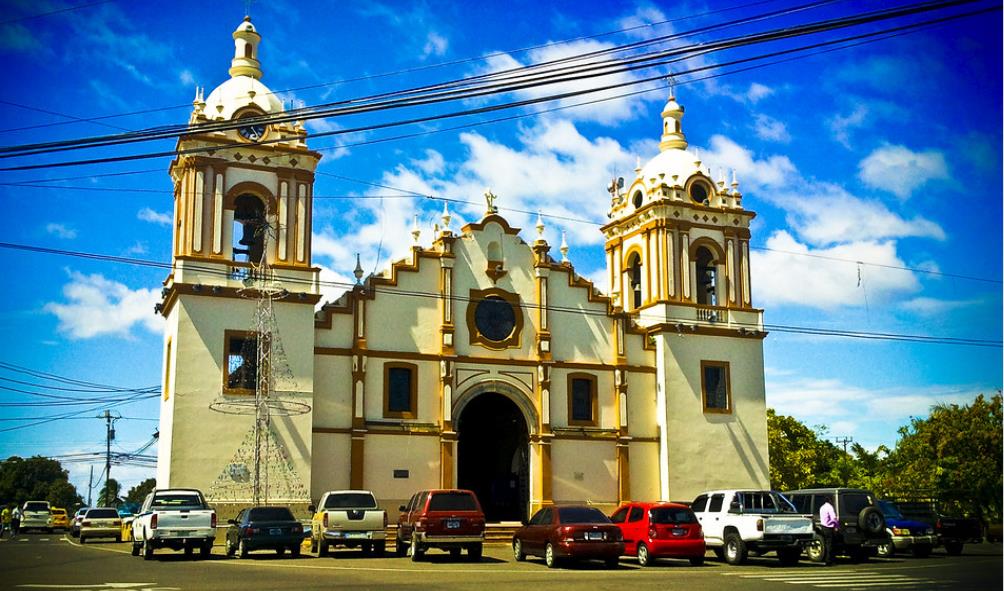
Local festivals celebrate age-old customs while embracing new artistic expressions, reflecting the community's dynamic spirit.
As you hike through lush landscapes, you’ll discover eco-tourism initiatives that highlight the region’s natural beauty and promote sustainable practices.
This fusion of old and new makes Veraguas a captivating destination, where every corner tells a story, inviting you to immerse yourself in its evolving narrative.
Preservation of Heritage and Future Prospects
As Veraguas embraces its rich history, efforts to preserve heritage are becoming increasingly vital for the region's future.
You’ll find that local communities are actively engaging in initiatives to protect historical sites and traditions. By participating in cultural festivals and educational programs, you can help raise awareness about the importance of maintaining these treasures.
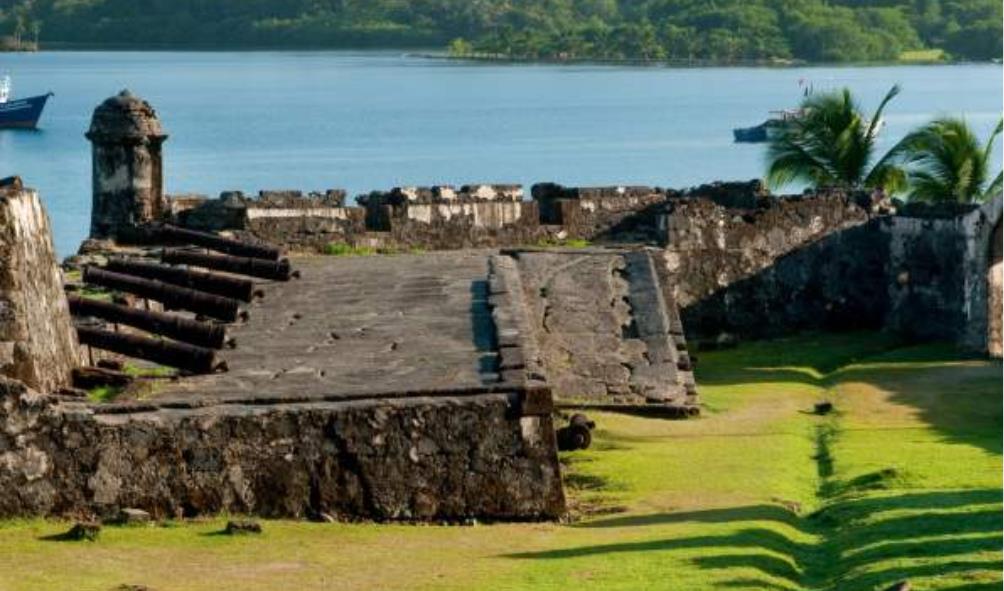
Collaboration between the government and non-profit organizations is essential in securing funding for restoration projects.
You might also discover that tourism plays a significant role in promoting heritage preservation, drawing visitors eager to experience Veraguas’s unique cultural landscape.
As you support these efforts, you contribute to a vibrant future where the past enriches the community and inspires generations to come.
Together, we can safeguard Veraguas’s legacy.
Conclusion
In conclusion, Veraguas stands as a vibrant testament to its rich heritage, blending indigenous, Spanish, and Afro-Panamanian influences. As you explore its history, you'll appreciate the resilience of its people and their cultural traditions. Today, Veraguas continues to evolve, honoring its past while embracing the future. By preserving its unique identity, the region not only celebrates its diverse roots but also paves the way for future generations to thrive in a modern, interconnected world.
Frequently Asked Questions
What is the significance of Veraguas in Panama's overall history?
Veraguas holds a significant place in Panama's history due to its diverse cultural influences, strategic location, and contributions to national events such as the independence movement and economic development projects. The province's historical experiences reflect broader themes in Panama's development as a nation.
How did Spanish colonization impact Veraguas?
The Spanish arrived in Veraguas in the early 16th century, seeking to exploit its natural resources and establish settlements. Colonization led to significant changes, including the introduction of new agricultural practices, the establishment of missions, and the displacement of indigenous populations.
What significant historical events have shaped Veraguas?
Several key events have influenced Veraguas' history, such as its involvement in the construction of the Panama Railroad in the 19th century, local uprisings during the independence era, and its strategic role during various conflicts throughout Panamanian history. These events have left lasting marks on the province's identity.
Who are the major ethnic groups in Veraguas throughout history?
Veraguas has been home to diverse ethnic groups, including the indigenous Cueva and Ngäbe communities, as well as descendants of Spanish colonists and African slaves. This mix has contributed to the region's rich cultural heritage and historical development.
Statistics
- In the 20th century, Veraguas experienced a population growth of over 60%, significantly influenced by internal migration and economic development projects.
- Historically, agriculture has been the backbone of Veraguas' economy, with over 55% of its land dedicated to farming activities since the 19th century.
- Approximately 40% of Veraguas' current population is descended from the indigenous Cueva and Ngäbe communities, reflecting the province's rich cultural heritage.
- During Panama's independence movement in the early 1800s, Veraguas provided over 500 soldiers who played a crucial role in the fight against Spanish rule.
External Links
- Britannica: Veraguas - An authoritative source outlining the historical background and important developments in Veraguas.
- Tourist Panama: History of Veraguas - Explores the key historical events and figures that shaped Veraguas.
- Museo de Veraguas - Offers detailed information about the historical artifacts and exhibits related to Veraguas' past.
- Panama Guide: History of Veraguas - An in-depth look at the development of Veraguas from pre-colonial times to the present.
How To Trace the Cultural Evolution of Veraguas
Begin by studying the diverse ethnic groups that have inhabited Veraguas, including indigenous communities, descendants of Spanish colonists, and African slaves. Analyze cultural artifacts, traditions, and practices preserved through generations. Engage with local cultural organizations and participate in traditional festivals to experience the living heritage of Veraguas. Additionally, reviewing anthropological studies and historical records will help map the cultural changes and influences that have shaped the province's unique identity over time.
Colonial Echoes in Veraguas
The colonial era left an indelible mark on Veraguas, influencing its architecture, language, and societal structures. Walking through its towns, one can observe remnants of Spanish exploration and settlement that tell tales of resilience and adaptation. For a comprehensive understanding of Veraguas' colonial past and its lasting impacts, visit escapetopanamanow.com and immerse yourself in the province's historical narrative.