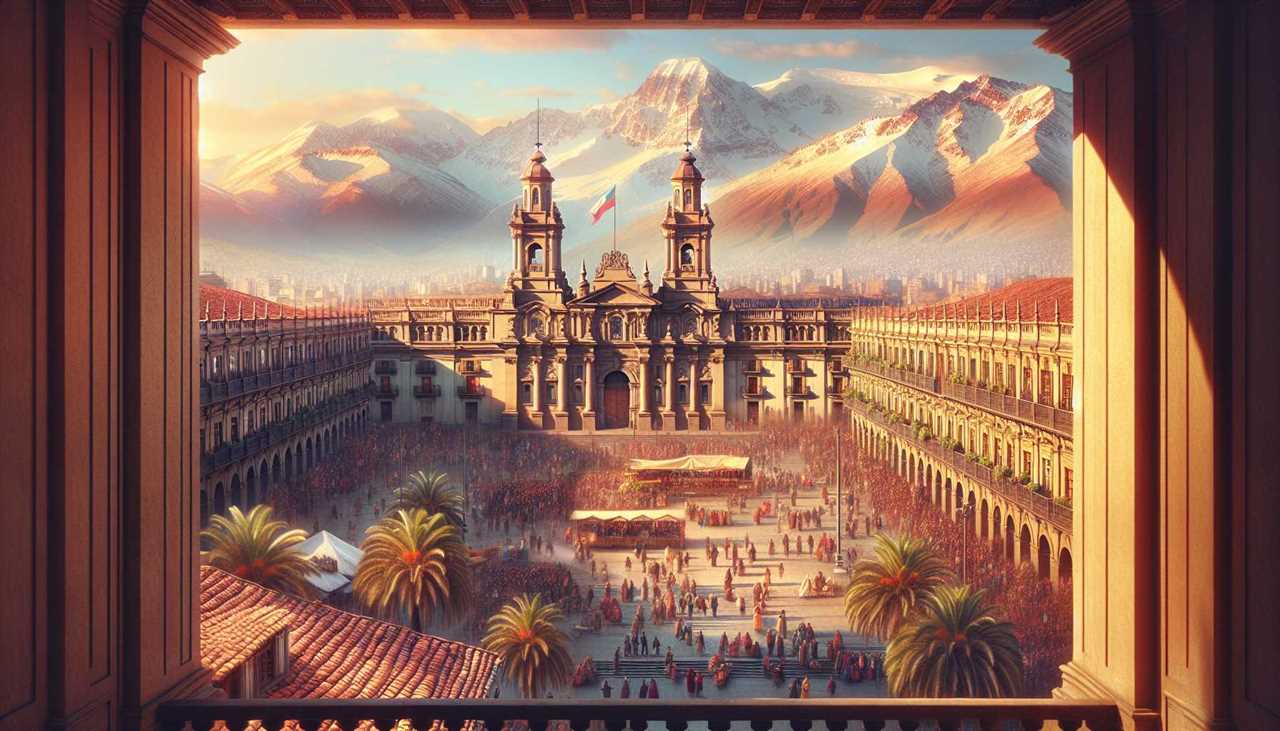
You might find it fascinating how Santiago's history reflects a complex interplay of cultures and conflicts. Founded by Pedro de Valdivia in 1541, the city quickly became a focal point for Spanish influence and indigenous resistance. As you explore its colonial past, you'll uncover the layers of transformation that shaped Santiago into a vibrant political and economic center. What challenges and triumphs did it face along the way?
The Founding of Santiago
When Pedro de Valdivia founded Santiago in 1541, he aimed to establish a Spanish foothold in the heart of Chile. You’ll notice that he chose a strategic location near the Mapocho River, surrounded by the breathtaking Andes mountains. This site offered natural defenses and fertile land, crucial for sustaining the new settlement.
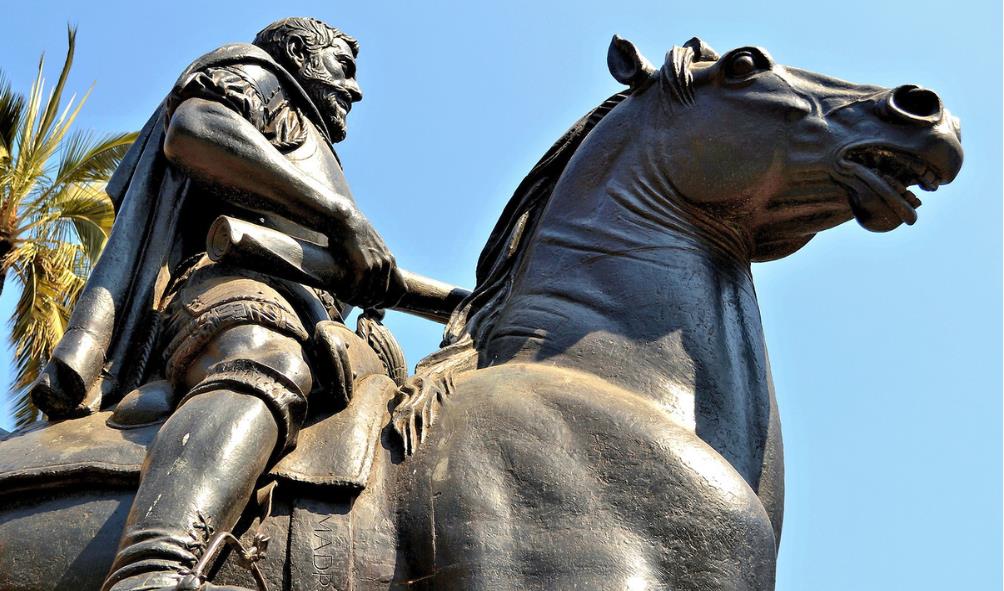
Valdivia initially faced resistance from the indigenous Mapuche people, but he persevered, laying down the city’s foundations. You can picture the bustling streets filled with settlers, as they built homes and established trade.
Santiago quickly became a center for Spanish expansion in the region. By creating a hub of culture and commerce, Valdivia set the stage for centuries of history to unfold in this vibrant city.
Colonial Era and Spanish Influence
With Santiago firmly established, the colonial era began to shape its identity and culture profoundly.
You'd notice Spanish architecture emerging, as colonial buildings sprouted throughout the city, blending European styles with local materials. The influence of the Catholic Church grew, as it played a central role in daily life and governance, establishing schools and missions.
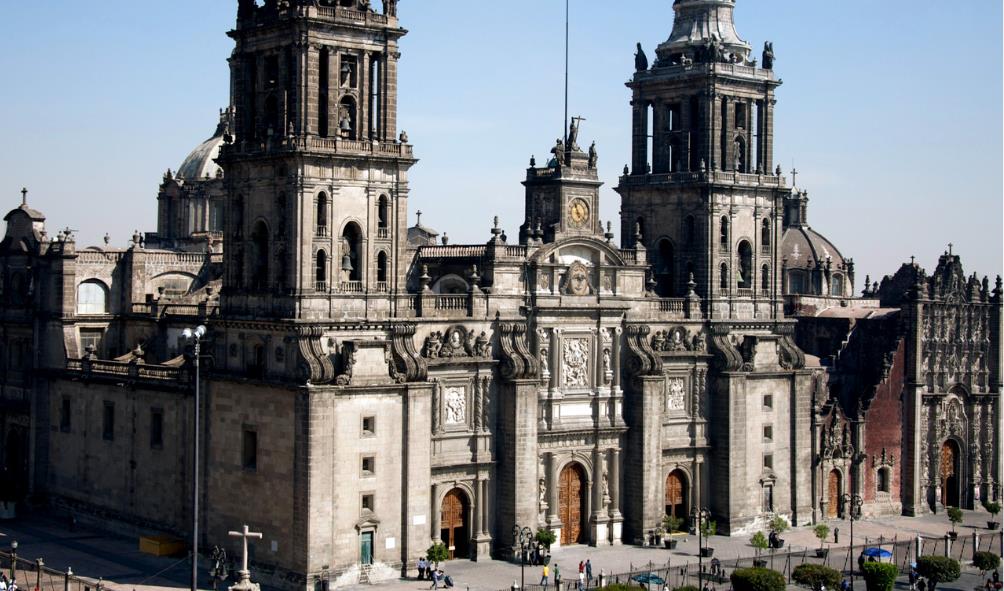
You’d also witness the introduction of new agricultural practices and livestock, transforming the landscape and economy. Spanish became the predominant language, and cultural traditions began to merge, creating a unique local identity.
Over time, this period laid the groundwork for Santiago's growth, as trade routes developed and the city became a vital hub in the Spanish Empire, fostering commerce and interaction.
Indigenous Cultures and Their Legacy
Although the colonial era ushered in significant changes, the indigenous cultures that thrived in the region before Spanish arrival left an indelible mark on Santiago's identity.
You can still see traces of these cultures in the city's architecture, art, and traditions. The Mapuche, for instance, contributed rich folklore and a deep connection to the land that resonates in local customs.
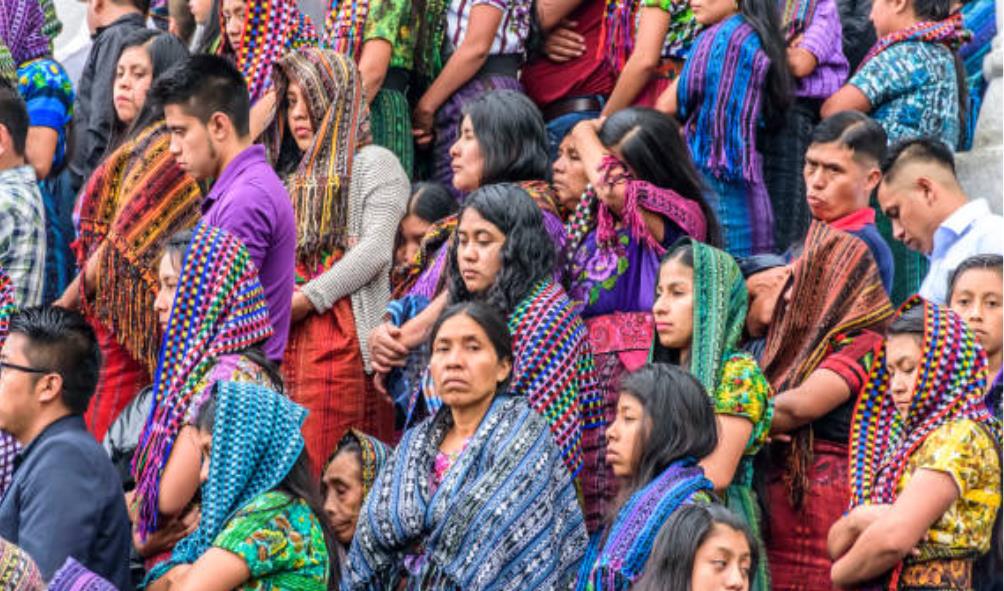
Their agricultural practices influenced the region’s farming techniques, while their spirituality shaped many community celebrations.
As you explore Santiago, notice how indigenous languages and symbols persist in everyday life. Engaging with these elements allows you to appreciate the resilience and creativity of the original inhabitants.
This legacy isn’t just history; it’s a living part of Santiago’s vibrant culture today.
The Fight for Independence
As tensions grew across Latin America in the early 19th century, Santiago became a crucial battleground in the fight for independence from Spanish rule.
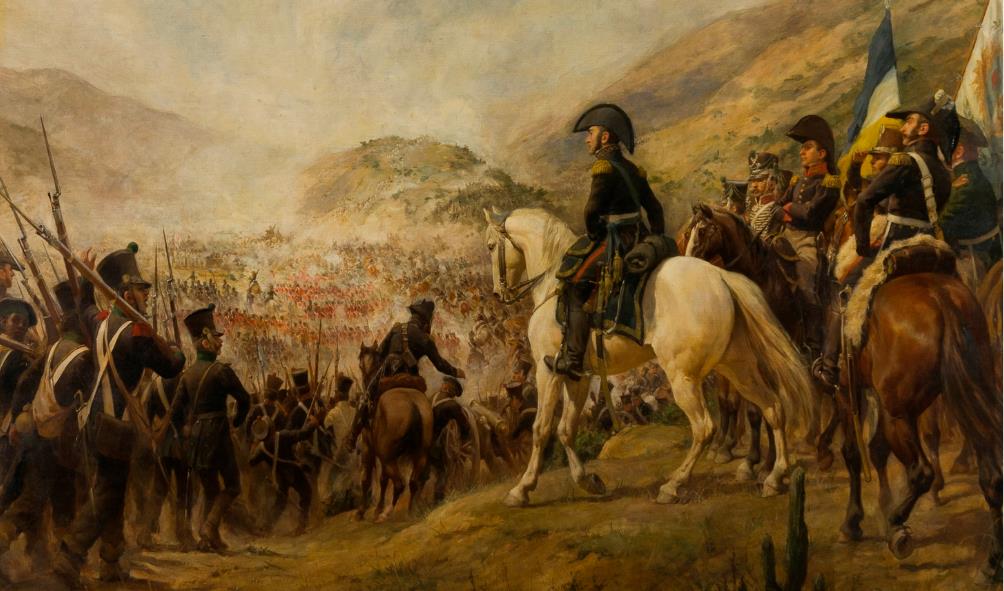
You'd witness the fervor of revolutionary thought as local leaders and citizens united against colonial oppression. In 1810, the First National Assembly convened, marking a significant step toward self-governance. You can almost feel the excitement as petitions for freedom spread, igniting hopes and dreams among the populace.
The struggle intensified with battles like the Battle of Chacabuco in 1817, which pushed back Spanish forces. Throughout this tumultuous period, Santiago transformed into a hub of resistance, fueling the desire for autonomy.
The Rise of Santiago as a Political Center
The fight for independence laid the groundwork for Santiago’s evolution into a political powerhouse in the early 19th century. As the capital, Santiago became the epicenter of revolutionary thought and action.
You'd notice how leaders emerged, rallying the populace around ideas of democracy and self-governance. The establishment of key institutions, like the national congress, further solidified its status.
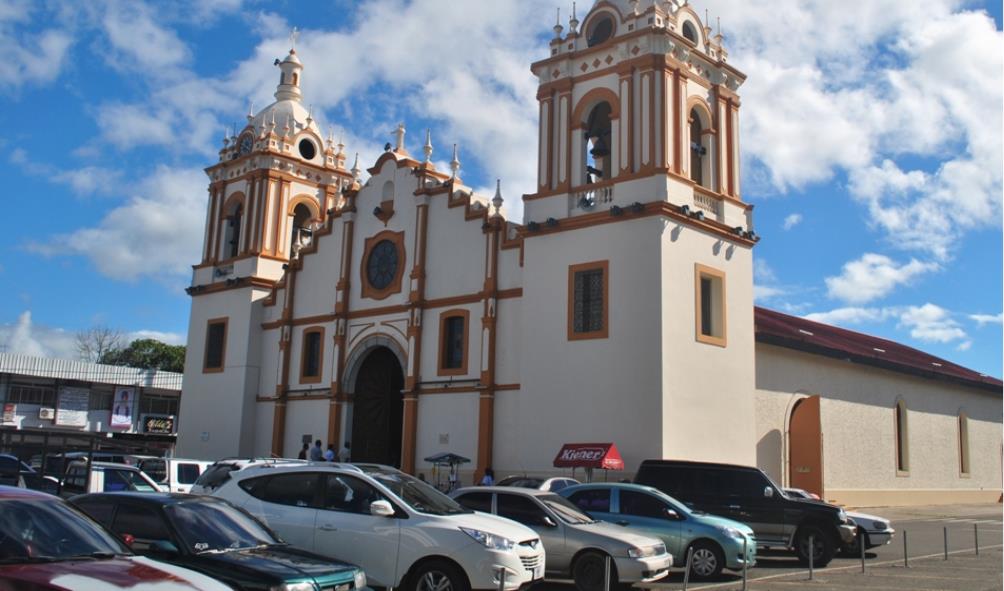
Political debates flourished, igniting a passion for civic engagement among citizens. You can see how the city embraced its role, hosting crucial meetings and fostering alliances that shaped Chile's future.
This period marked a significant turning point, as Santiago transformed from a colonial outpost into a vibrant hub of political activity, setting the stage for its influence in national affairs for years to come.
Economic Growth and Industrialization
While Santiago solidified its political significance, the city also experienced a remarkable transformation through economic growth and industrialization.
You’ll notice that this evolution began in the late 19th century, as railways and telegraphs connected Santiago to other regions. With increased accessibility, industries flourished, creating jobs and attracting people from rural areas.
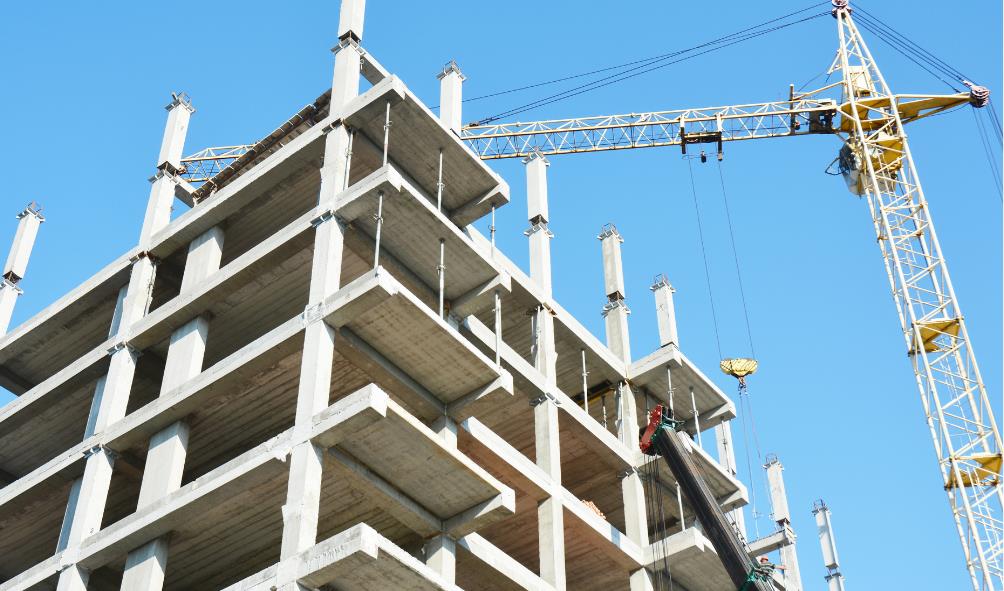
You can see how the expansion of the textile, food processing, and manufacturing sectors played a crucial role in shaping the economy. By the mid-20th century, Santiago became a hub for commerce and trade, further solidifying its economic landscape.
As you walk through the city today, you’ll witness the lasting impact of this industrial boom, evident in the bustling markets and diverse businesses that define Santiago’s vibrant economy.
The Impact of Modernization
Building on the foundation of industrialization, Santiago embraced modernization throughout the 20th century, reshaping its urban landscape and lifestyle.
You’ll notice how new architecture transformed the skyline, with sleek buildings rising alongside historic structures. Public transportation systems expanded, making commuting easier and more efficient.
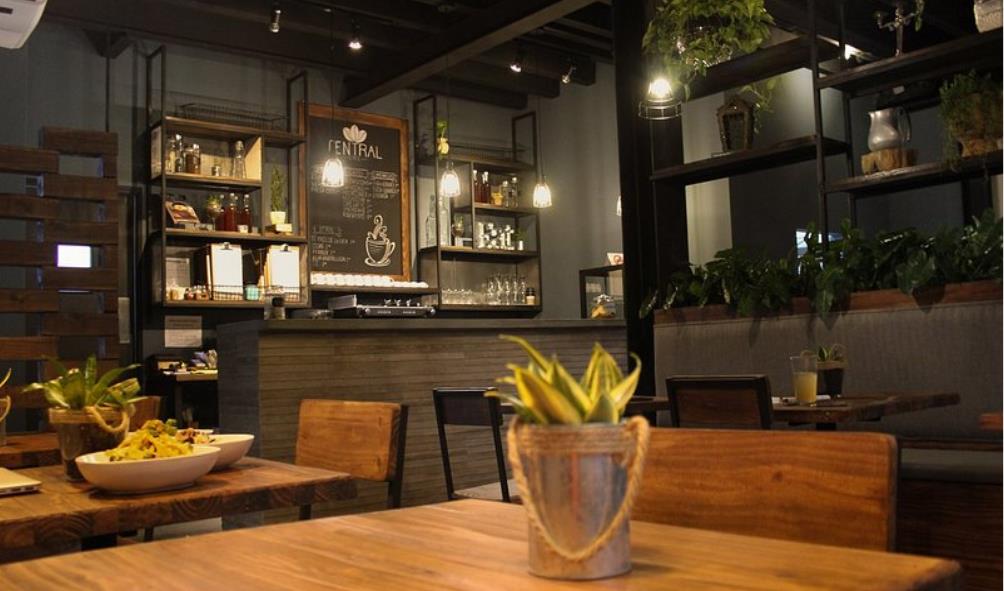
As you walk through the city, you’ll feel the vibrancy of modern cafés, shops, and cultural spaces that attract locals and tourists alike. Technology, too, played a significant role, fostering innovation and attracting investments.
Social changes emerged as urbanization led to a diverse population and new cultural expressions. Santiago's modernization isn’t just about infrastructure; it’s about how the city evolved to meet the needs of its inhabitants, blending tradition with contemporary life.
Santiago Today: A Blend of History and Progress
As you explore Santiago today, you’ll discover a city where history and modernity coexist in striking harmony.
You can stroll through the historic streets of the Lastarria district, marveling at colonial architecture while sipping coffee in trendy cafes. The vibrant street art around you tells stories of the past, blending seamlessly with the innovative spirit of contemporary Chile.
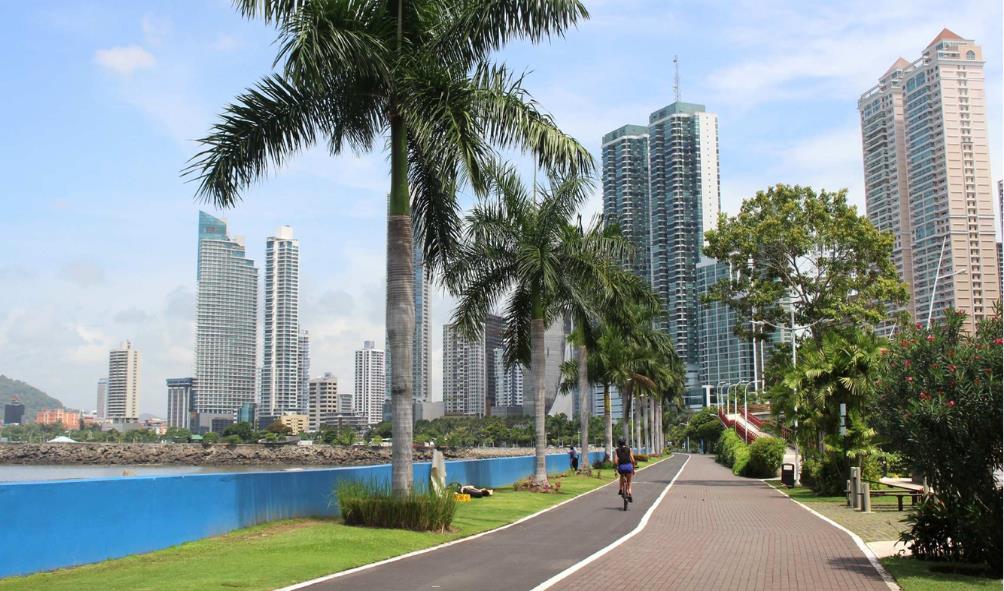
You’ll find modern skyscrapers rising alongside historic landmarks, like the iconic Plaza de Armas. This dynamic fusion creates a unique urban experience, where traditional markets thrive next to chic boutiques.
You can also enjoy the bustling cultural scene, with museums, theaters, and galleries that showcase the city’s rich heritage and progressive creativity.
Santiago truly embodies the essence of a city on the rise.
Conclusion
In conclusion, Santiago's rich history is a captivating blend of indigenous heritage, colonial influences, and modern advancements. You can see how its past shapes the vibrant city you experience today, from the echoes of resistance to the bustling streets of commerce. As you explore Santiago, you'll discover a unique tapestry woven from diverse cultures and significant events that define its character. Embrace the journey through time, and appreciate how history and progress coexist in this dynamic metropolis.
Statistics
- In the late 1800s, Santiago's population surged to around 200,000 residents, marking significant urban expansion.
- In 1960, Santiago was affected by the Valdivia earthquake, the strongest earthquake ever documented, influencing the city's infrastructure and growth.
- Santiago, the capital city of Chile, was established on February 12, 1541, by Spanish conquistador Pedro de Valdivia.
- The 1973 Chilean coup d'état resulted in significant political transformation within Santiago, as the city became the center of military governance under Augusto Pinochet.
External Links
- Museo de Santiago History Section details key events that shaped the city's development.
- Chile Travel's Santiago History explores the significant milestones in Santiago's past.
- University of Chile's Santiago History presents scholarly insights into the city's historical context.
- History.com's Santiago Article highlights important historical moments of the city.
How To Research Santiago's Growth into a Major South American Metropolis by 2023
Study the factors contributing to Santiago's expansion into a metropolitan area housing approximately 7 million residents by 2023. Examine economic trends, migration patterns, and urban development policies that fueled this growth. Explore the challenges of managing such a large population, including housing, transportation, and public services. Utilizing demographic data and urban studies will provide a comprehensive understanding of Santiago's status as a key urban center in South America.
Subscribe for Exclusive Insights on Veraguas
Gain access to in-depth articles, interviews, and behind-the-scenes looks at Santiago’s evolution from a colonial hub to a modern center. Subscribe now to receive exclusive content that delves into the traditions and resilience that define Veraguas Province. Visit escapetopanamanow.com to sign up and enhance your knowledge.