You might not realize how rich the history of Panama Oeste really is. From the resilience of indigenous cultures to the sweeping changes brought by colonization, this region has seen it all. The impact of the Panama Canal alone reshaped its economy and trade routes dramatically. As you explore further, you’ll uncover the layers of transformation that continue to define Panama Oeste today. What else does its past reveal?
Indigenous Cultures of Panama Oeste
While exploring Panama Oeste, you’ll discover a rich tapestry of indigenous cultures that have thrived in the region for centuries. Among these, the Ngäbe-Buglé stand out with their vibrant traditions, colorful attire, and unique language.
You'll find their communities nestled in the lush mountains, where they maintain their ancestral practices, such as basket weaving and traditional farming.
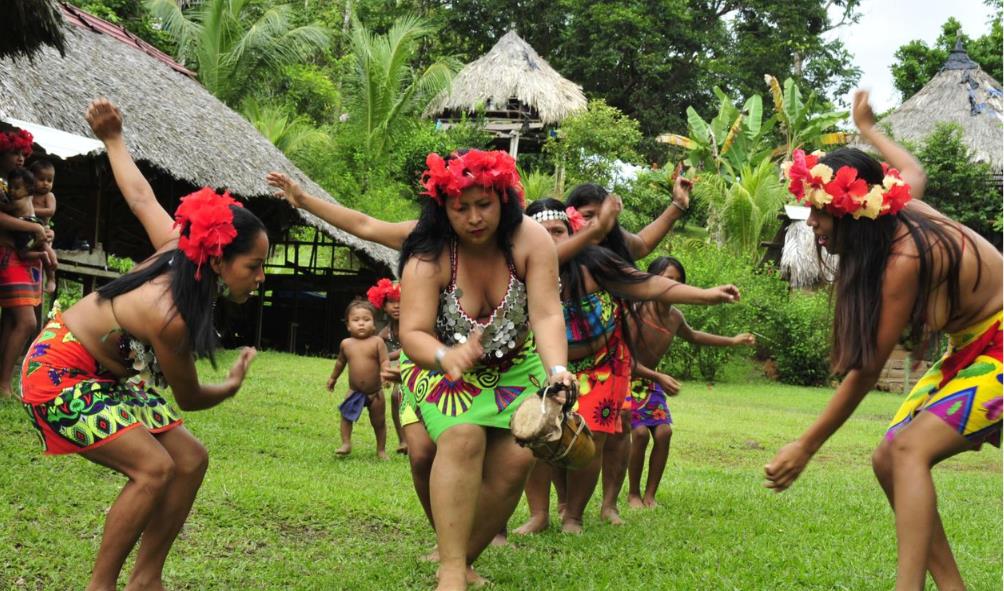
The Emberá, another prominent group, invite you to experience their deep connection to the rainforest, showcasing their art and dance.
As you interact with these cultures, you’ll learn about their spiritual beliefs and the significance of nature in their lives.
Engaging with local communities offers insights into their resilience and the preservation of their heritage amidst modern challenges.
Spanish Conquest and Colonization
As you immerse yourself in the vibrant traditions of the indigenous cultures, you’ll soon encounter the profound impact of the Spanish conquest and subsequent colonization of Panama Oeste.
In the early 1500s, Spanish explorers, driven by greed and ambition, arrived, seeking gold and new territories. They quickly established settlements, disrupting indigenous societies and claiming their lands.
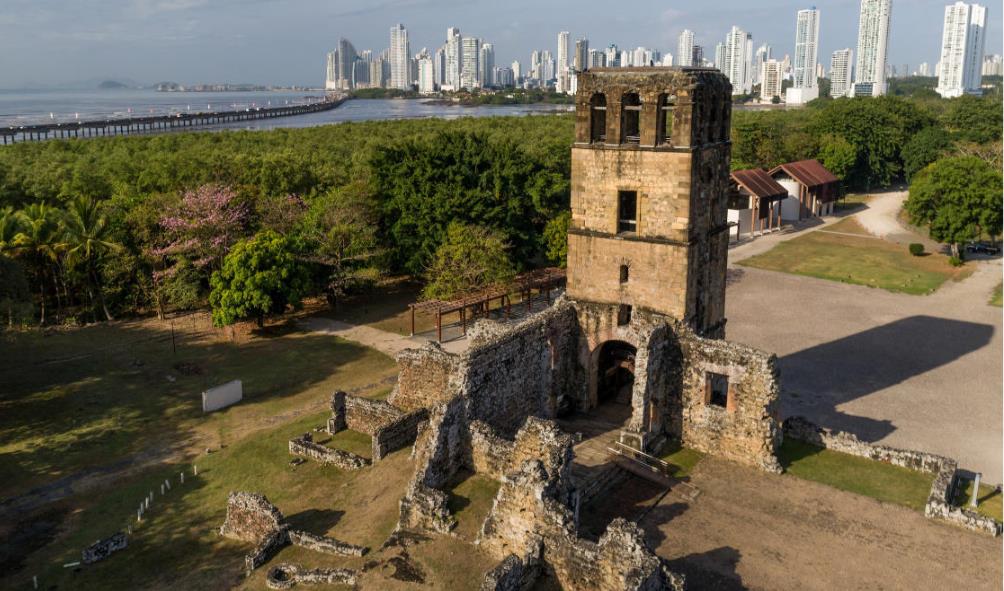
The Spanish introduced new agricultural practices, livestock, and Christianity, forever altering the region's cultural landscape. You might notice the blend of Spanish and indigenous influences in local customs and language.
This period also saw the tragic decline of native populations due to disease and conflict. Understanding this history reveals the complexities of identity and heritage that define Panama Oeste today.
The Role of Panama Oeste in Trade
Panama Oeste plays a crucial role in trade, acting as a vital link between the Pacific and Atlantic Oceans.
You’ll find that its strategic location has made it a hub for shipping and logistics, facilitating the movement of goods across international waters. Major ports in the region, like Balboa, handle significant cargo traffic, connecting various markets.
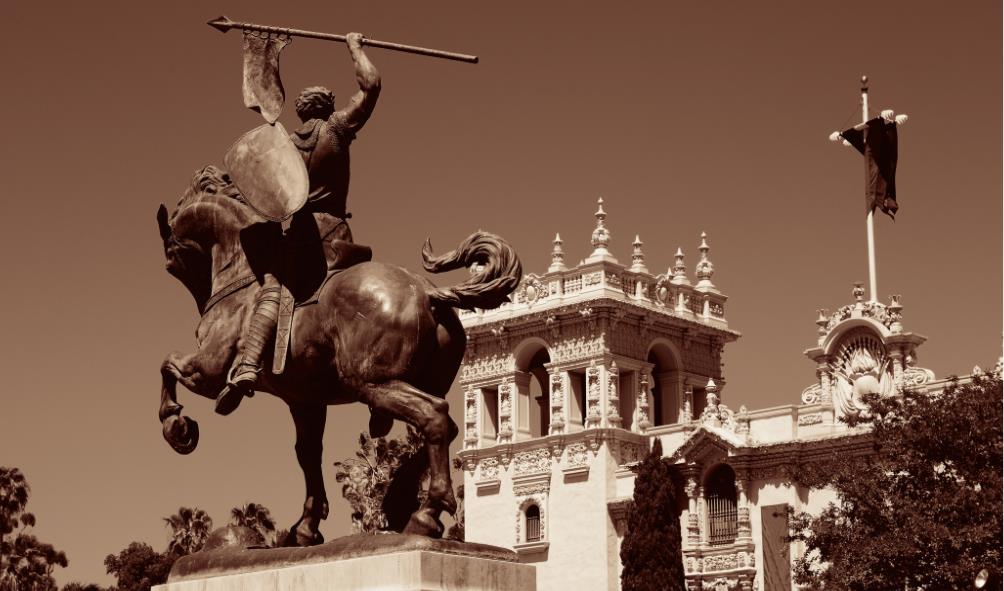
The Pan-American Highway also runs through this province, enhancing overland trade routes and making transportation more efficient.
With its growing infrastructure, including roads and railways, Panama Oeste attracts businesses looking to capitalize on its logistical advantages.
As trade continues to expand, this region's importance will only increase, making it an essential player in global commerce.
Agricultural Development in the Region
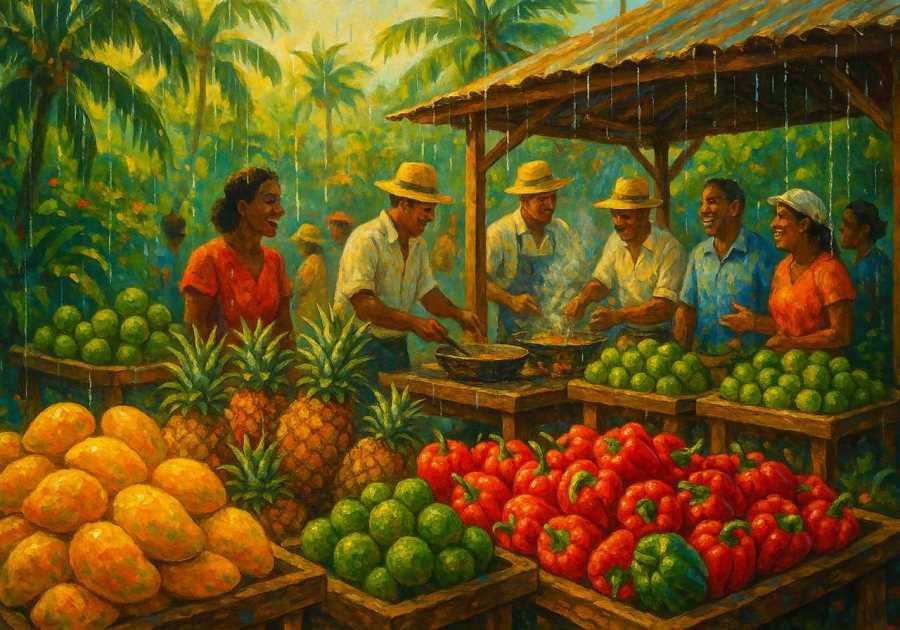
Given its fertile land and favorable climate, the agricultural development in Panama Oeste has flourished over the years. You’ll find a diverse range of crops thriving here, from sugarcane to coffee and rice.
Local farmers embrace innovative techniques, ensuring they maximize yields while maintaining sustainability. The region's rich soil supports both large-scale plantations and small family farms, creating a vibrant agricultural community.
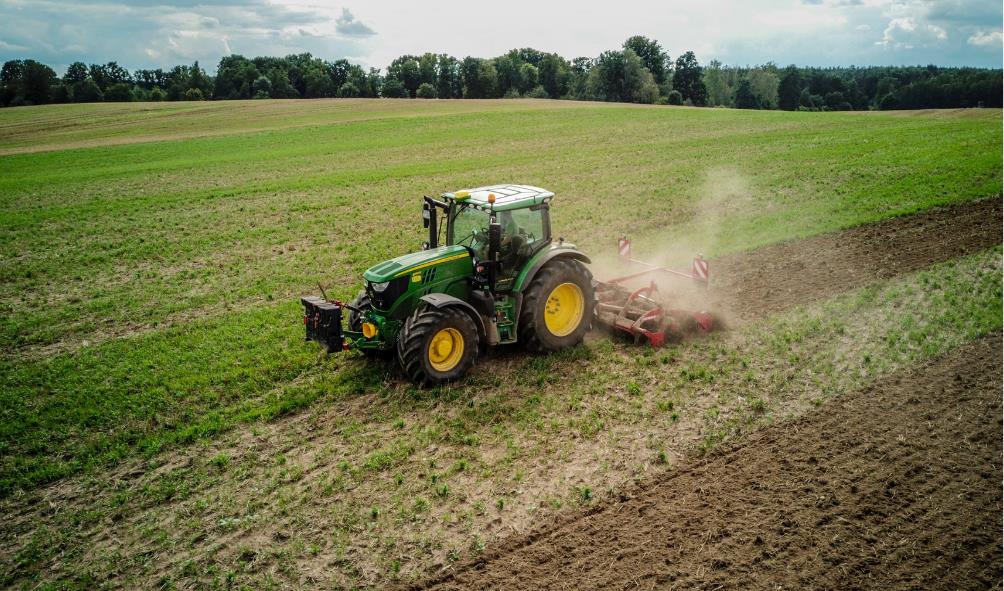
As you explore, you'll notice that agriculture isn’t just an economic driver; it’s a way of life for many residents. Farmers often collaborate, sharing knowledge and resources to enhance productivity.
This collaborative spirit helps boost the local economy and strengthens community bonds. In Panama Oeste, agriculture truly represents both tradition and progress, making it an essential part of the region's identity.
Economic Changes in the 19th Century
While the 19th century brought significant economic changes to Panama Oeste, it was the construction of the Panama Canal that transformed the region's landscape and opportunities.
Before the canal, you would’ve noticed a reliance on agriculture, with coffee and sugarcane dominating the economy.
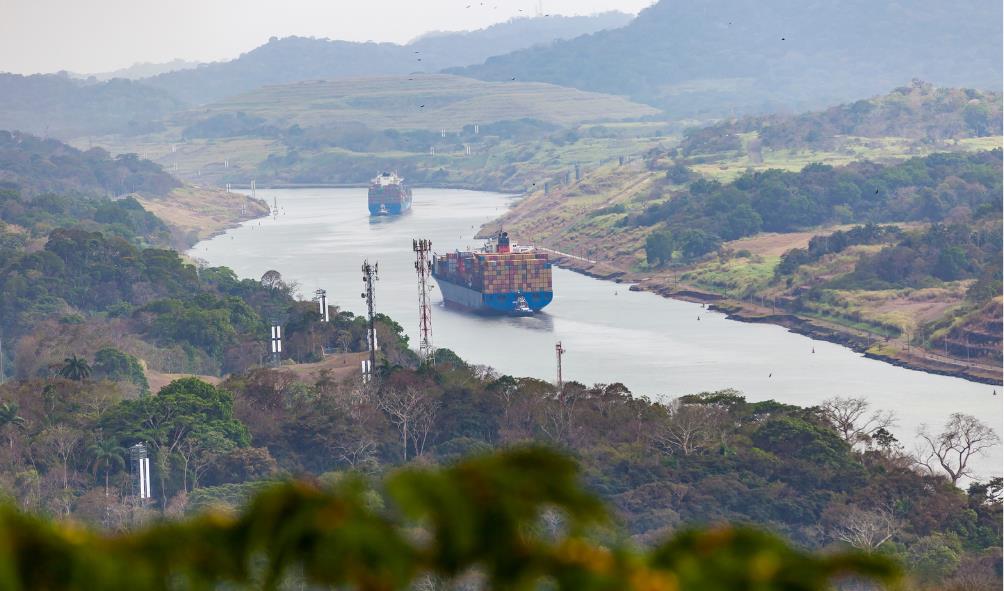
However, as you moved through the century, trade routes began to shift, influenced by global demand for goods.
Investment in infrastructure, like roads and railways, emerged, connecting rural areas to urban centers and facilitating commerce.
As foreign interests grew in the region, you’d see an increase in both local and international businesses.
This period marked a transition from a primarily agrarian economy to one increasingly influenced by global trade dynamics and investment.
The Impact of the Panama Canal
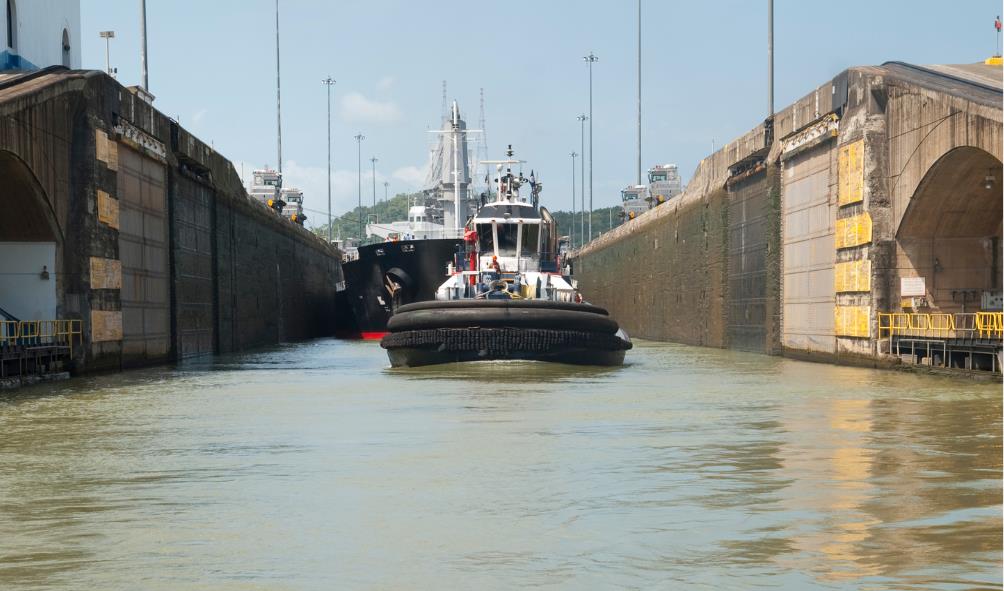
As the Panama Canal opened in 1914, it drastically reshaped the economic landscape of Panama Oeste, creating new opportunities and challenges.
You’ll notice how the canal enhanced trade by significantly reducing shipping times, drawing businesses and industries to the region. This surge in economic activity led to job creation, transforming local livelihoods.
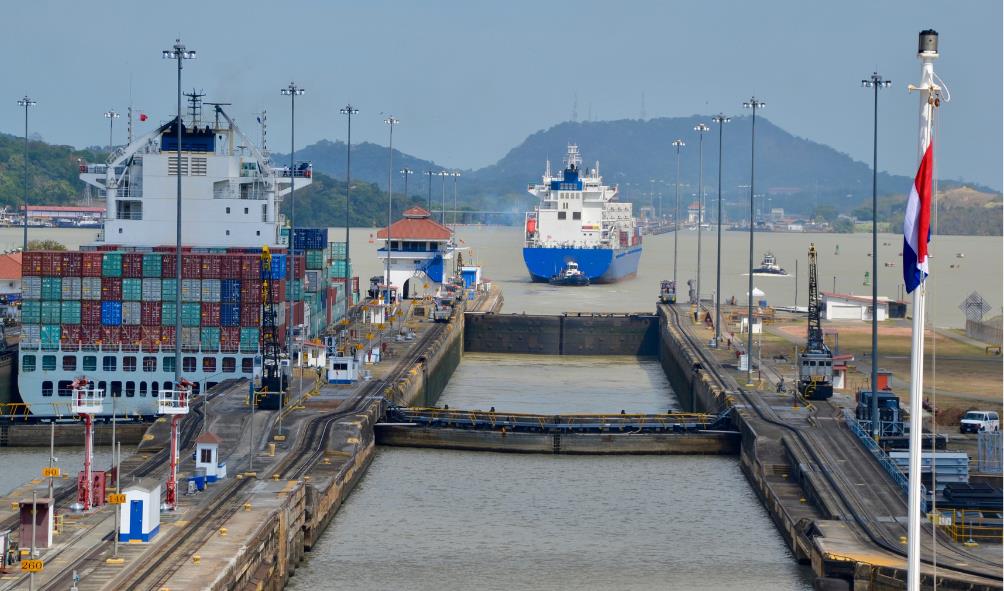
However, the influx of workers and industries also strained resources and infrastructure, leading to issues like overcrowding and environmental concerns.
You might see how the canal’s presence encouraged investment in transportation and services, fostering urban development.
Though the benefits were substantial, the rapid changes also brought social and economic disparities, reflecting the complex legacy of the Panama Canal on Panama Oeste’s growth.
Tourism Growth and Cultural Heritage
The economic boom spurred by the Panama Canal didn't just create jobs; it also laid the groundwork for a flourishing tourism sector in Panama Oeste.
As you explore this vibrant region, you'll discover a rich tapestry of cultural heritage, from indigenous traditions to colonial landmarks. Festivals celebrating local music and dance showcase the area's unique identity, inviting you to participate and immerse yourself in the experience.
You can also visit historical sites like the ruins of Fort San Lorenzo, offering a glimpse into Panama's past.
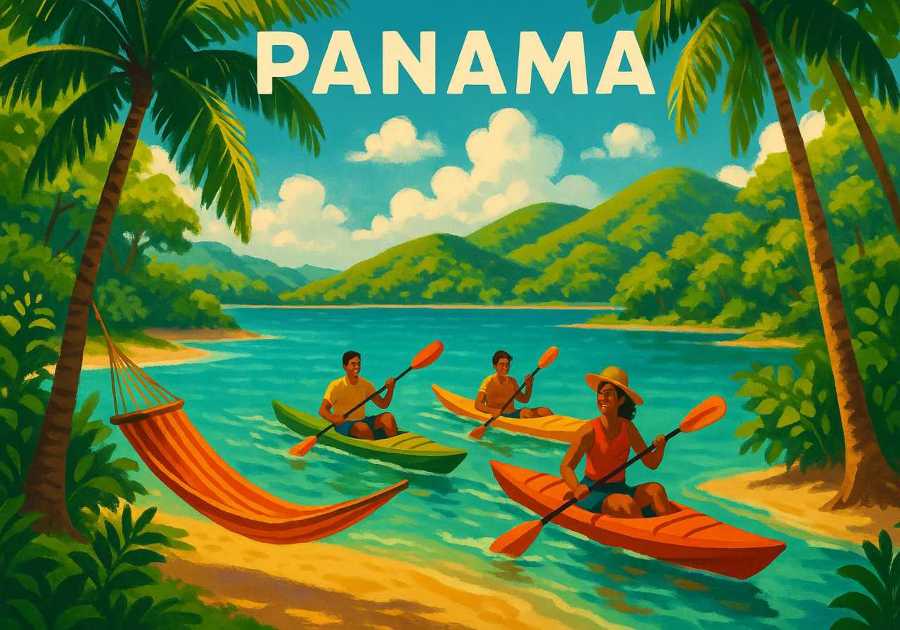
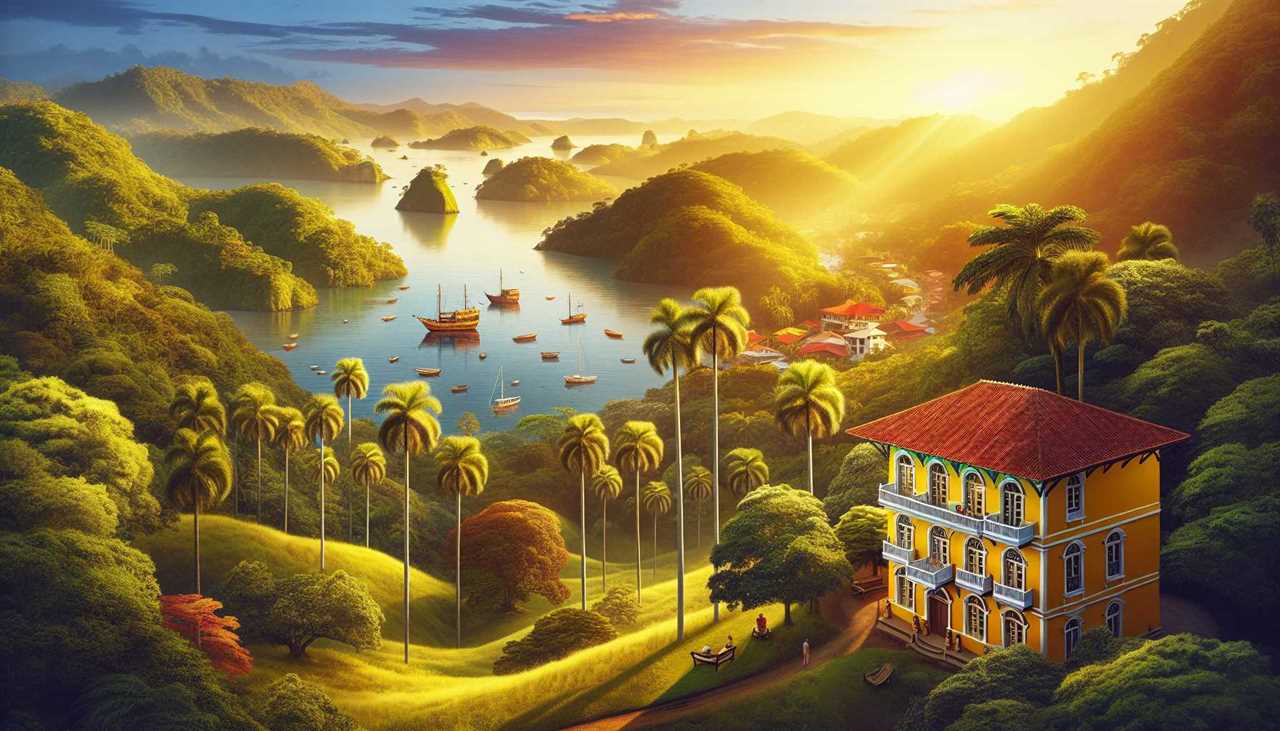
With breathtaking natural landscapes, such as the beaches of Veracruz and the lush hills of El Valle, there's something for every traveler.
Embrace the warmth of the local communities as you enjoy the diverse culinary delights that define Panama Oeste.
Modern Developments in Panama Oeste
With the rapid growth of Panama's economy, modern developments in Panama Oeste have transformed the region into a hub of innovation and progress.
You’ll notice new infrastructure projects, including modern highways and bridges, making travel more efficient. The rise of shopping centers and recreational facilities reflects the region's expanding urban landscape, catering to your lifestyle needs.
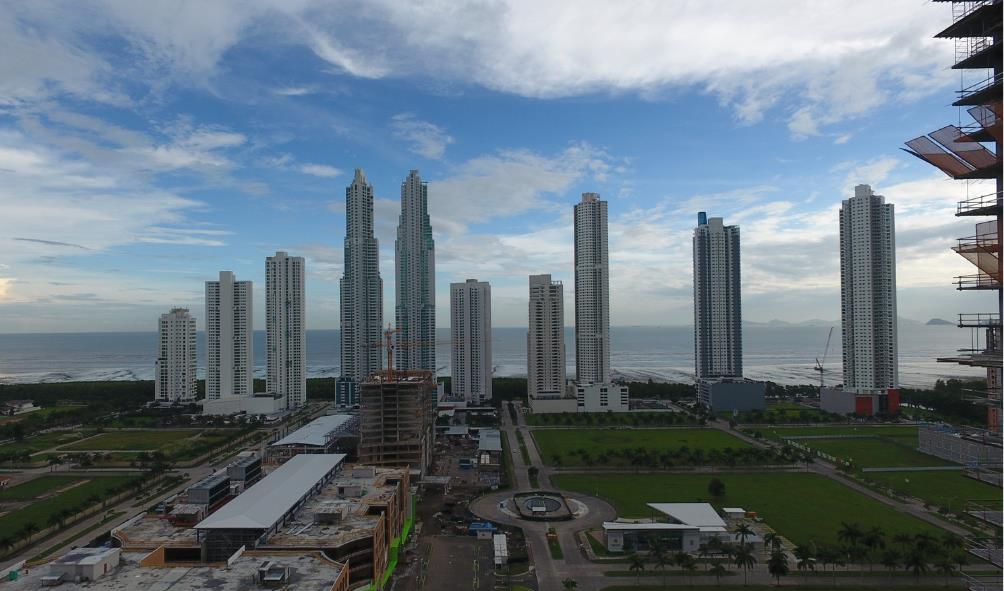
Additionally, the influx of technology companies has created job opportunities, attracting a skilled workforce. Educational institutions are also evolving, offering programs that align with today’s job market.
You can see how these advancements not only enhance daily life but also foster a sense of community, encouraging social interaction and cultural exchange.
Panama Oeste is becoming a vibrant place to live, work, and play.
Future Prospects for the Province
Looking ahead, Panama Oeste is poised for even greater advancements that promise to enhance the quality of life for its residents.
You’ll likely see continued investment in infrastructure, with improved roads and transportation systems connecting communities. This progress will foster economic growth, creating new job opportunities across various sectors.

As education and healthcare facilities expand, you can expect a rise in overall well-being and community engagement.
The region’s natural beauty and cultural richness will attract more tourism, further boosting the local economy.
Sustainable development initiatives will also play a crucial role in preserving the environment while supporting growth.
With a focus on innovation and community-driven projects, Panama Oeste’s future looks bright, offering a promising landscape for you and your neighbors.
Conclusion
In conclusion, Panama Oeste's vibrant history showcases the resilience of its indigenous cultures and the profound changes brought by colonization and the Panama Canal. As you explore the region, you’ll see how agriculture evolved into a hub of global trade, while tourism highlights its rich cultural heritage. The future holds promise for Panama Oeste, blending its historical roots with modern development. Embrace the journey and discover the unique stories that shape this remarkable province.
Statistics
- The province boasts over 300 kilometers of highways and roads, ensuring efficient connectivity with Panama City and surrounding areas.
- The tourism industry in Panamá Oeste has expanded by 20% in the last five years, driven by its rich historical landmarks and natural attractions.
- As of 2023, Panamá Oeste contributes approximately 15% to Panama's national GDP, reflecting its robust economic activities.
- Agricultural production in the region accounts for 25% of Panama's total output, with key products including rice, sugarcane, and vegetables.
External Links
- Wikipedia - Panamá Oeste: Access a detailed overview of Panamá Oeste's historical background and key milestones.
- Official Panamá Oeste Government Site: Explore comprehensive information about the province's history and development.
- Historia de Panamá Oeste: Read in-depth articles on the founding and growth of Panamá Oeste.
- Panama América - Panamá Oeste Paseo Histórico: Learn about the historical walks and important sites in Panamá Oeste.
How To Study the Role of Infrastructure in Panamá Oeste’s History
Investigate the development of key infrastructure projects, including transportation networks, utilities, and public facilities, that have supported Panamá Oeste’s growth. Review historical records and engineering documents to understand the planning and execution of these projects. Assess the impact of infrastructure improvements on accessibility, economic activities, and quality of life for residents. Analyzing infrastructure developments provides insights into the province's advancement and future potential.
The Role of Agriculture in Panamá Oeste's Development
Agriculture has been a cornerstone of Panamá Oeste's economy, driving growth and community development for generations. The region's fertile lands have supported a variety of crops and agricultural initiatives, fostering both local sustenance and economic exports. Investigate the agricultural practices and innovations that have propelled Panamá Oeste forward by visiting www.escapetopanamanow.com.