When you think about Panama City, you might picture a vibrant blend of cultures and modern skyscrapers. But its history tells a different story. Founded in 1519, this city became a crucial hub for trade and exploration. The colonial era shaped its economy and identity, while the Panama Canal revolutionized global shipping. What events led to such transformation, and how do they still influence the city today?
The Founding of Panama City
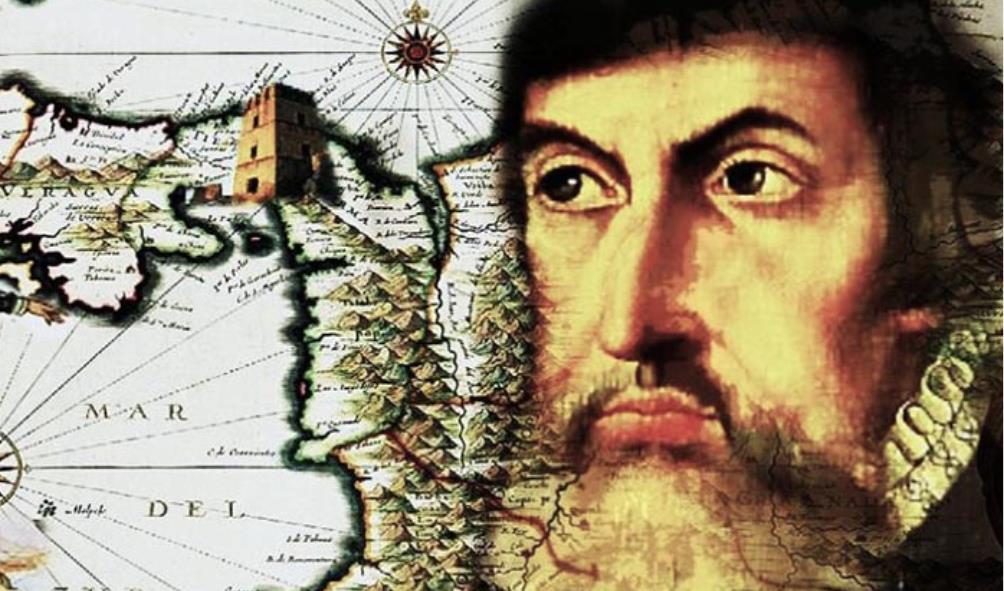
When Spanish explorer Pedro Arias de Ávila founded Panama City in 1519, he aimed to create a strategic base for expeditions to the riches of the Inca Empire.
This bustling port quickly became vital for trade and military operations. You’d notice how its location facilitated easy access to both the Pacific and Atlantic Oceans, making it a key point for shipping goods and resources.
As you walk through the city, you'll see remnants of its early architecture that reflect its colonial past.
The establishment of Panama City marked a turning point in Spanish colonial ambitions, allowing explorers and fortune seekers to venture deeper into South America.
The city’s role in connecting continents would shape its future significantly.
Colonial Era and Economic Growth
Following its founding, Panama City quickly evolved during the colonial era into a vibrant hub of economic activity.
You’d find merchants bustling in the streets, exchanging goods like gold, silver, and spices. The city’s strategic location made it a critical stop for trade between the Americas and Europe.
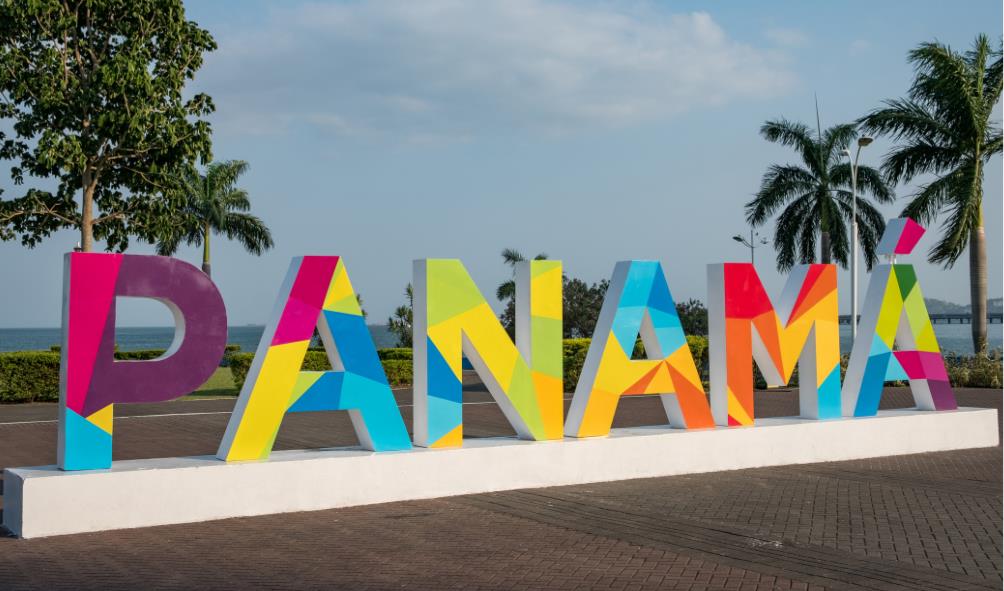
As you wander through the narrow streets, you’ll notice the impact of Spanish colonial architecture, reflecting the wealth generated from trade.
The thriving economy attracted settlers and traders alike, leading to a diverse population. You’d see the influence of various cultures shaping the city’s identity.
The Role of the Panama Canal
How did the Panama Canal transform the landscape of global trade?
You can see its impact on the way goods move between oceans. Before the canal, ships had to navigate around South America, adding time and cost to their journeys.
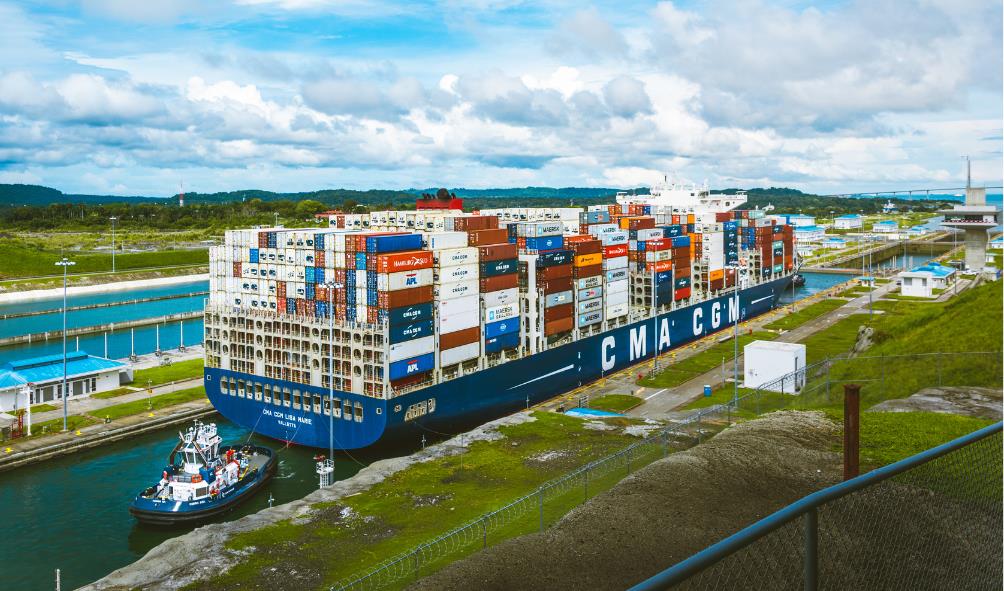
With the canal's opening in 1914, you saved both time and money, making trade routes more efficient. The canal became a strategic artery, connecting the Atlantic and Pacific Oceans, significantly boosting international commerce.
It allowed for quicker transit of goods, enhancing global supply chains. You might notice how this efficiency has influenced everything from shipping costs to the price of products in stores.
The canal not only reshaped trade but also positioned Panama as a crucial player on the world stage.
Modernization and Urban Development
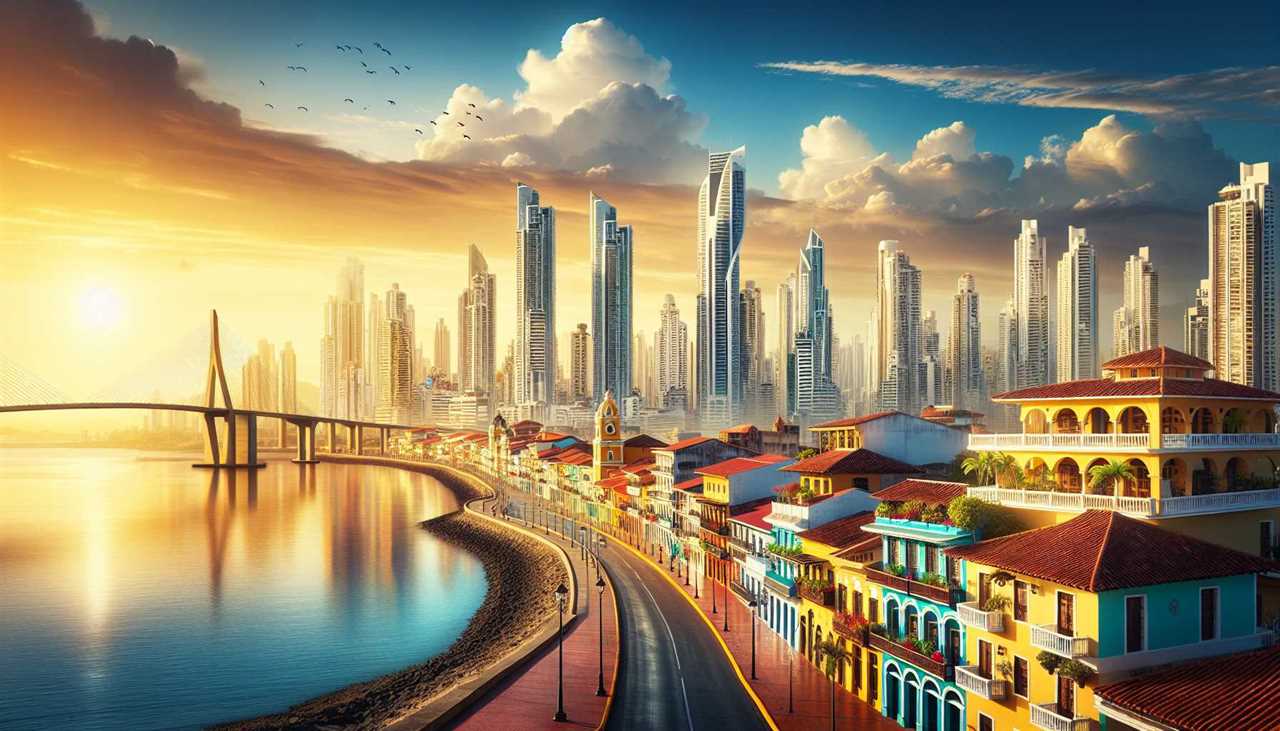
As Panama City embraced modernization in the late 20th and early 21st centuries, its skyline transformed dramatically, reflecting both economic growth and urban development.
You’d notice sleek skyscrapers rising alongside historic structures, showcasing a blend of old and new.
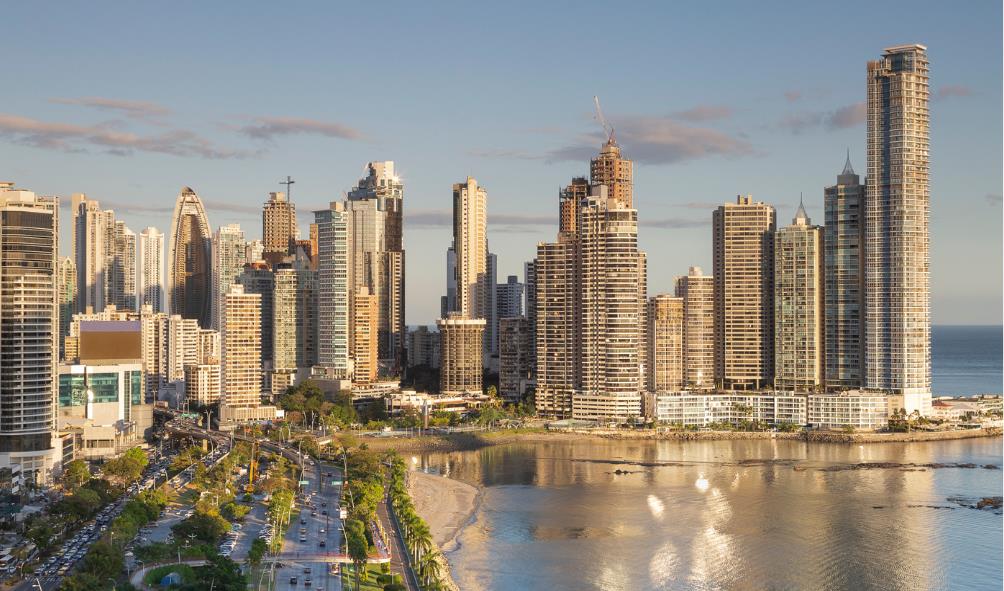
Infrastructure improvements, including expanded roadways and public transport systems, enhanced connectivity, making the city more accessible.
The waterfront areas underwent revitalization, turning into vibrant spaces for recreation and leisure.
Diverse neighborhoods emerged, catering to different lifestyles and promoting community engagement.
You might explore trendy cafes, shopping centers, and cultural hubs that sprouted throughout the city.
This rapid development not only attracted investment but also drew international attention, positioning Panama City as a key player in the region's economy.
Cultural Significance and Diversity
While exploring Panama City, you’ll quickly discover its rich cultural significance and incredible diversity. This vibrant city is a melting pot of cultures, thanks to its history as a crossroads for trade and migration. You’ll encounter influences from Indigenous peoples, Spanish colonizers, Afro-Caribbean communities, and modern expatriates, each adding unique flavors to the local culture.
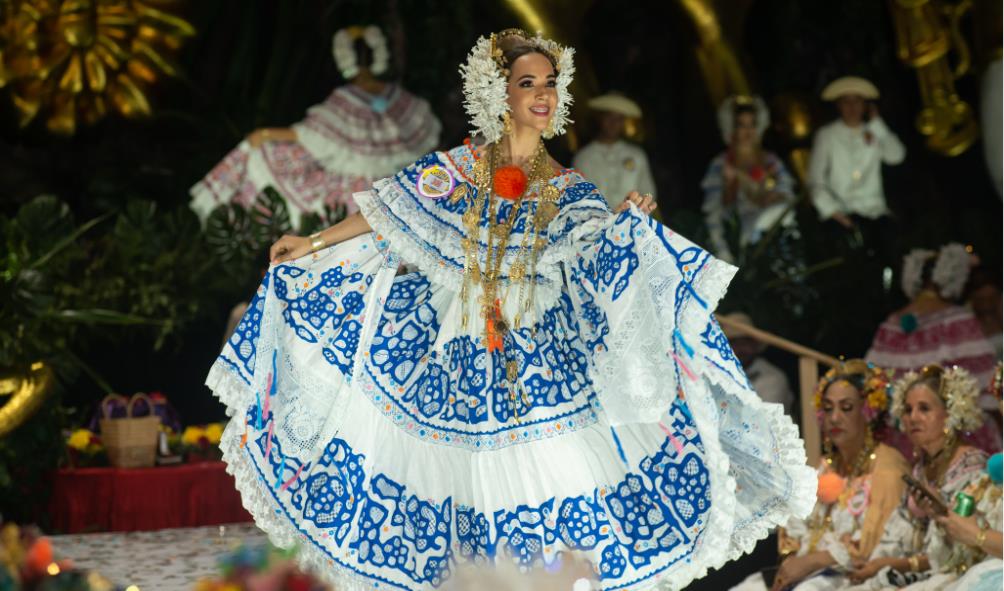
As you wander through the streets, you’ll notice colorful festivals celebrating everything from traditional dances to contemporary art. The gastronomy is equally diverse; don’t miss trying local dishes that reflect this blend.
Museums, galleries, and theaters showcase the city’s artistic talent, making it a hub for cultural expression. In Panama City, every corner tells a story, inviting you to explore and appreciate its rich heritage.
Conclusion
In conclusion, Panama City's journey from a colonial trade hub to a modern metropolis showcases its dynamic history and cultural richness. You've witnessed how the founding of the city laid the groundwork for its economic growth, especially with the Panama Canal's pivotal role. Today, as you explore its vibrant neighborhoods and historical landmarks, you can truly appreciate the diverse tapestry that defines Panama City, a place where the past seamlessly blends with the present.
Statistics
- The Panama Canal Authority reported that in 2022, Panama City facilitated the transit of over 13,000 vessels through the canal, underlining its critical role in global maritime trade.
- By 2023, Panama City's metropolitan area had grown to host over 1.6 million inhabitants, reflecting its status as the nation's largest urban center.
- Panama City is home to more than 70 skyscrapers as of 2023, ranking it among the fastest-growing skylines in Latin America.
- In the early 20th century, Panama City became a hub for international finance and commerce, contributing to an average annual GDP growth rate of 5% between 1904 and 1940.
External Links
- Wikipedia - Panama City: Comprehensive overview of Panama City's history and development.
- History.com - Panama Canal: Exploration of the canal's history and its effects on the city.
- Lonely Planet - Panama City History: Overview of key historical sites in Panama City.
- National Geographic - History of Panama City: Insights into the historical evolution of Panama City.
How To Study the Impact of the Panama Canal on the City’s Growth
Analyze the profound effects the construction of the Panama Canal had on Panama City. Research how the canal's completion in 1914 transformed the city into a bustling hub of international trade and commerce. Investigate the influx of workers and the subsequent population growth that reshaped the city's demographics and infrastructure. Explore archival materials and historical records to understand the economic and social changes driven by the canal. This study highlights the canal’s pivotal role in elevating Panama City's status on the global stage.
Resilience Through Time: Panama City's Historical Journey
Panama City's history is characterized by remarkable resilience and continuous reinvention. From overcoming colonial challenges to adapting to modern economic shifts, the city's ability to endure and thrive is inspiring. Explore the various phases of Panama City's development and resilience by visiting Escape to Panama Now.