Panama's history is a tapestry of rich indigenous cultures, European exploration, and the profound influence of Spanish colonization. As you explore its evolution, you'll uncover how independence shaped its identity and the monumental construction of the Panama Canal transformed global trade. Yet, beneath the surface of this progress lies a complex story of challenges and resilience. What factors continue to influence Panama's journey today?
Indigenous Cultures and Early Inhabitants
Although Panama is often recognized for its strategic location and the iconic canal, its rich history began long before European contact with the diverse indigenous cultures that thrived in the region.
You’d find various groups, like the Ngäbe, Buglé, and Kuna, each with unique languages and traditions. These communities were skilled in agriculture, fishing, and crafting, with intricate social structures and spiritual beliefs deeply connected to nature.
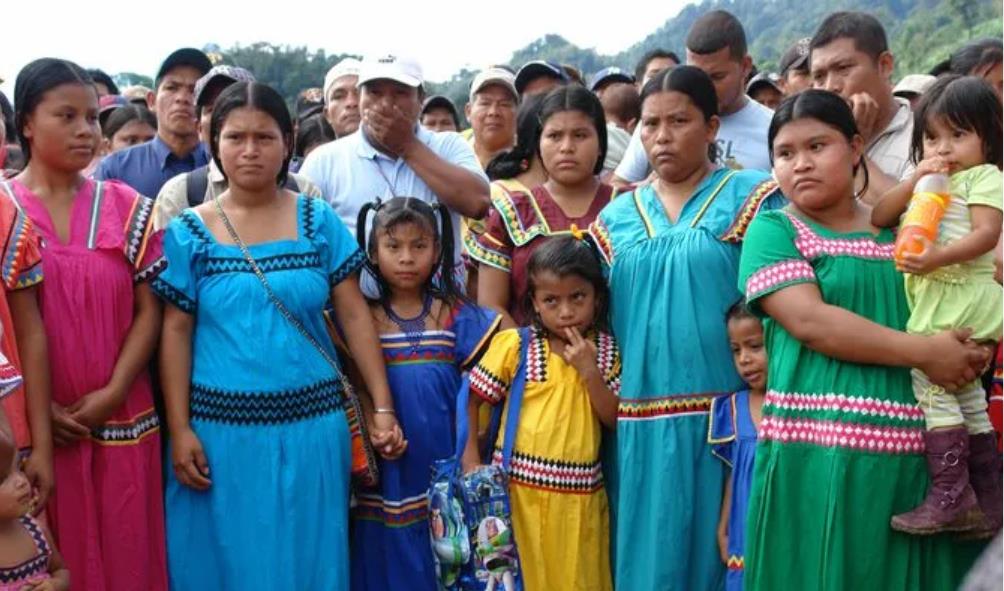
As you explore Panama's forests and coasts, you can see remnants of their vibrant past, from ancient pottery to ceremonial sites.
Understanding these indigenous cultures gives you a deeper appreciation for the land's history, revealing how these early inhabitants shaped the identity of Panama long before it became a crossroads for global trade.
European Exploration and Colonization
As indigenous cultures thrived in Panama, the allure of its resources and strategic location caught the attention of European explorers in the 16th century.
You'd see explorers like Rodrigo de Bastidas and Vasco Núñez de Balboa, who ventured into the region, driven by tales of wealth and opportunity. Their expeditions revealed Panama's rich land and waterways, leading to a surge in European interest.
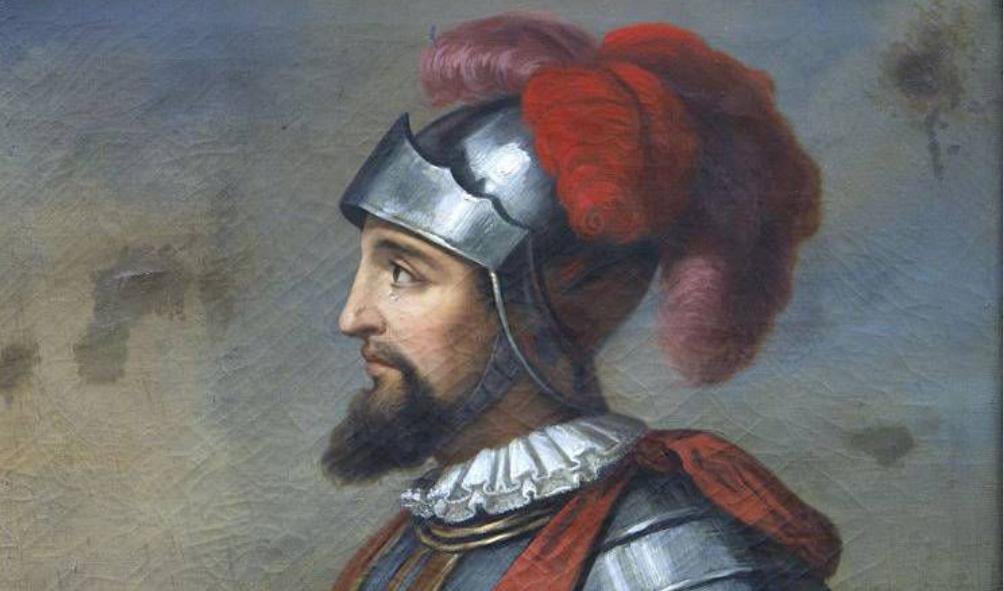
You'd notice how the Spanish established settlements, aiming to control trade routes and exploit resources. The bustling port of Nombre de Dios became a critical point for treasure shipments to Spain.
However, this exploration came at a cost, as it led to conflicts with indigenous peoples, forever altering the dynamics of the region.
The Role of the Spanish Empire
The Spanish Empire played a crucial role in shaping Panama's history, especially during the colonial era. You’ll find that Spain established crucial trade routes through Panama, connecting the Atlantic and Pacific Oceans.
This strategic position made the isthmus a vital transit point for gold and silver, enriching the empire and attracting settlers. You can see how Spanish settlers introduced agriculture, livestock, and European customs that transformed the local economy and culture.
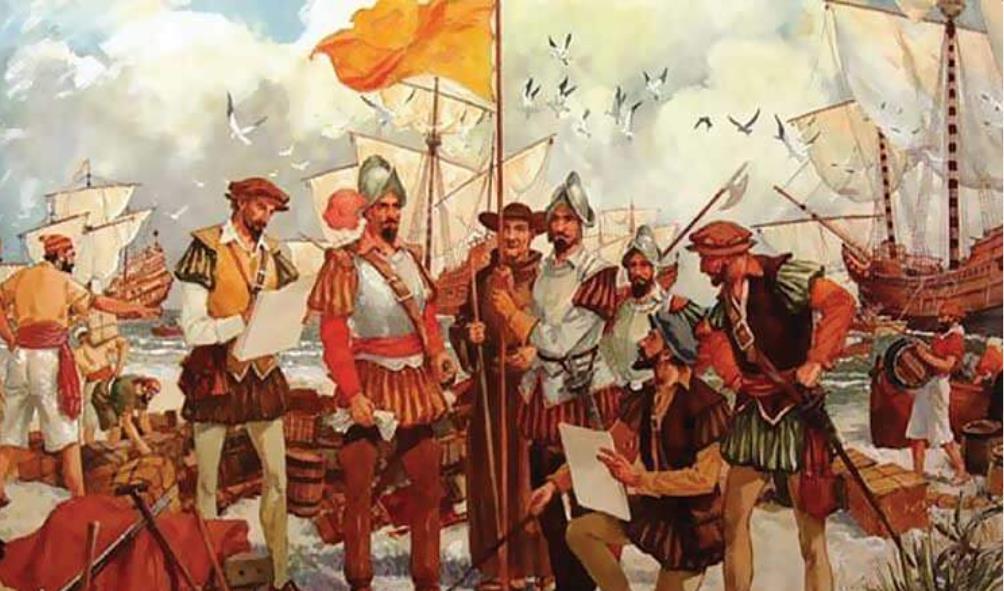
Furthermore, Spain’s efforts to convert indigenous populations to Christianity marked an important aspect of colonial life. While you explore Panama’s past, remember the lasting impact of Spanish governance, architecture, and language, which continue to influence the nation today.
The legacy of the Spanish Empire remains deeply embedded in Panama's identity.
The Birth of Panama as a Nation
Spain's colonial rule laid the groundwork for Panama's emergence as an independent nation. By the early 19th century, discontent brewed among the people, fueled by oppression and the desire for self-governance.
In 1821, you witnessed a pivotal moment when Panama declared independence from Spain, joining the Republic of Gran Colombia. This union brought hope but also challenges, as regional differences began to surface.
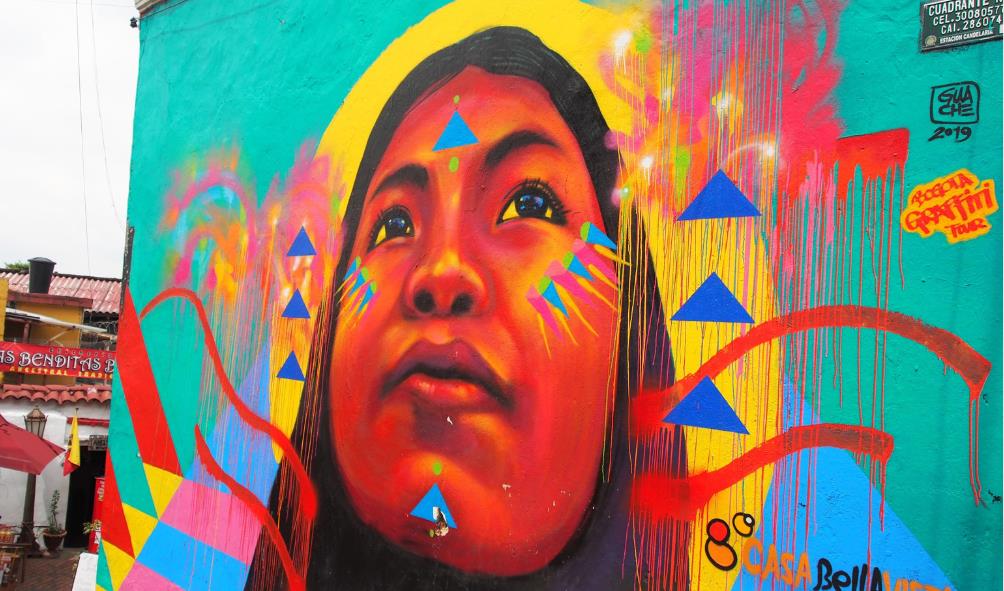
Over time, you’d see Panama struggle to assert its identity, facing political instability and economic hardships. By 1903, growing disillusionment with Gran Colombia finally pushed Panama to declare full independence, paving the way for a distinct national identity.
This moment marked your nation’s resolve to stand alone and shape its future.
The Construction of the Panama Canal
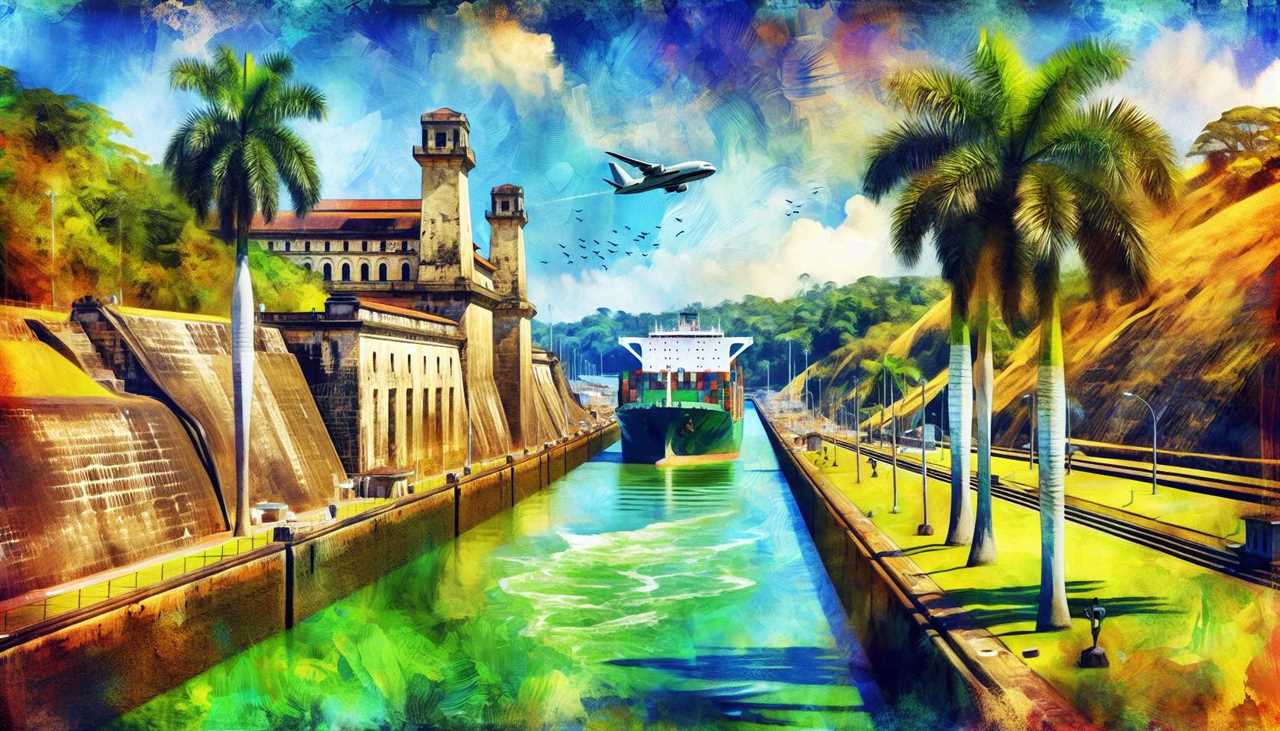
Constructing the Panama Canal was a monumental endeavor that reshaped global trade routes. You’d witness the challenges faced by engineers and laborers as they carved a path through dense jungles and formidable mountains.
The project required innovative techniques, including the use of locks to manage sea-level changes. As you explore the construction timeline, you’d note the immense workforce, comprising thousands of workers from diverse backgrounds, pushing through harsh conditions.
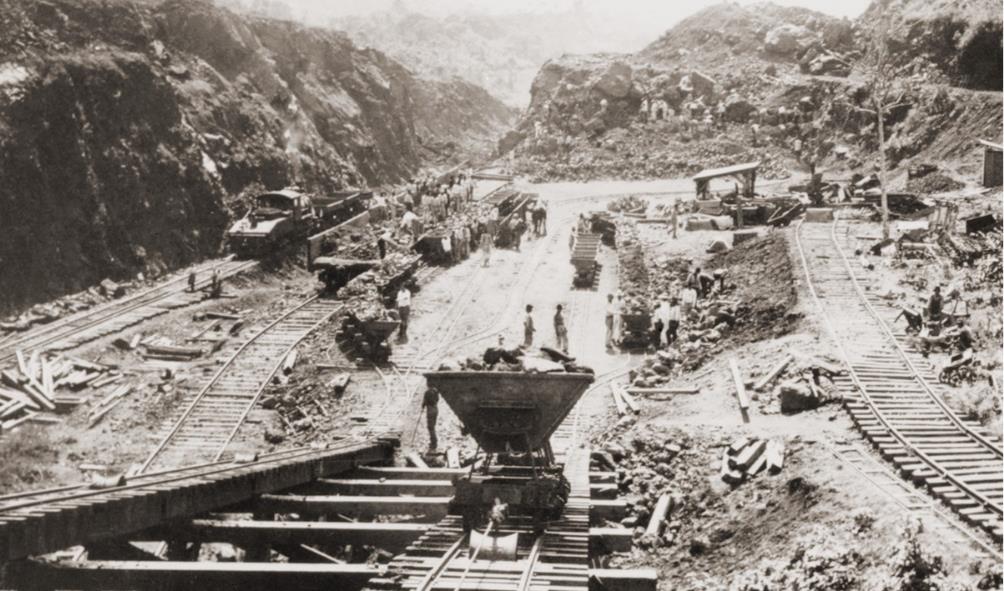
The introduction of steam shovels and dynamite revolutionized excavation processes, speeding up progress. You’d feel the weight of history as this ambitious project aimed to connect the Atlantic and Pacific Oceans, dramatically shortening shipping times.
Ultimately, the canal's completion in 1914 marked a pivotal moment in maritime history, altering global commerce forever.
The American Influence and Control
Following the successful completion of the Panama Canal, American influence over the region intensified significantly.
You'd notice that the United States established a strong military and economic presence, viewing Panamá as a critical strategic asset. The U.S. took control of the Canal Zone, ensuring it maintained authority over this vital waterway.
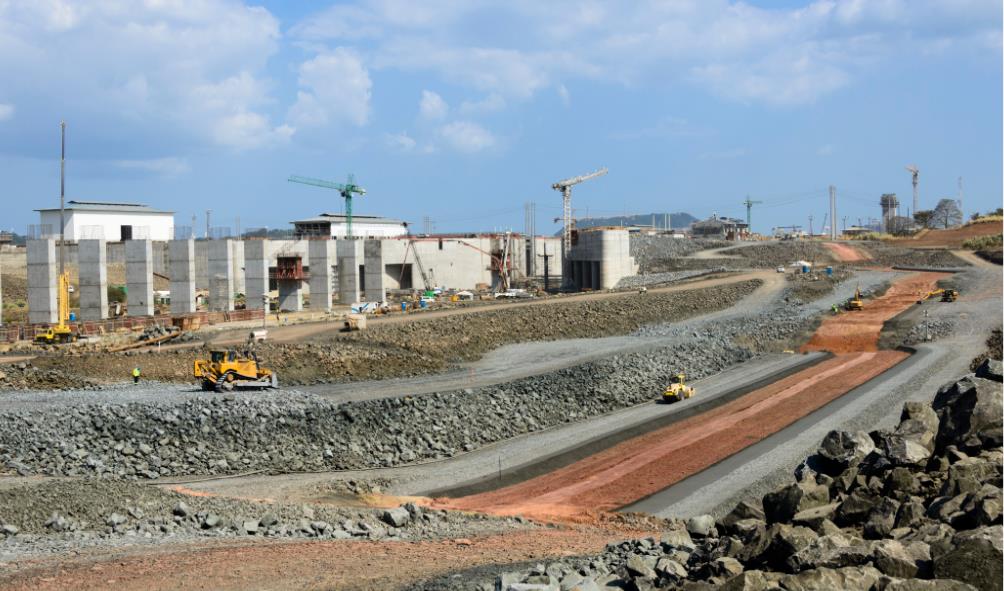
This control allowed them to dominate trade routes and expand their geopolitical power in Latin America. As you explore this era, you’ll see how American investments shaped Panamá's infrastructure, education, and healthcare systems, all while fostering dependency on U.S. support.
Despite the benefits, many Panamanians felt their sovereignty was compromised, leading to a complex relationship between the two nations. This influence laid the groundwork for future developments in Panamá's history.
Panama's Independence Movement
While many Panamanians sought greater autonomy, the desire for independence from Colombia grew stronger in the early 20th century.
You'd see this sentiment fueled by political instability and Colombia's neglect of Panama's needs. As discontent rose, local leaders began to envision a separate nation, rallying support from various sectors.
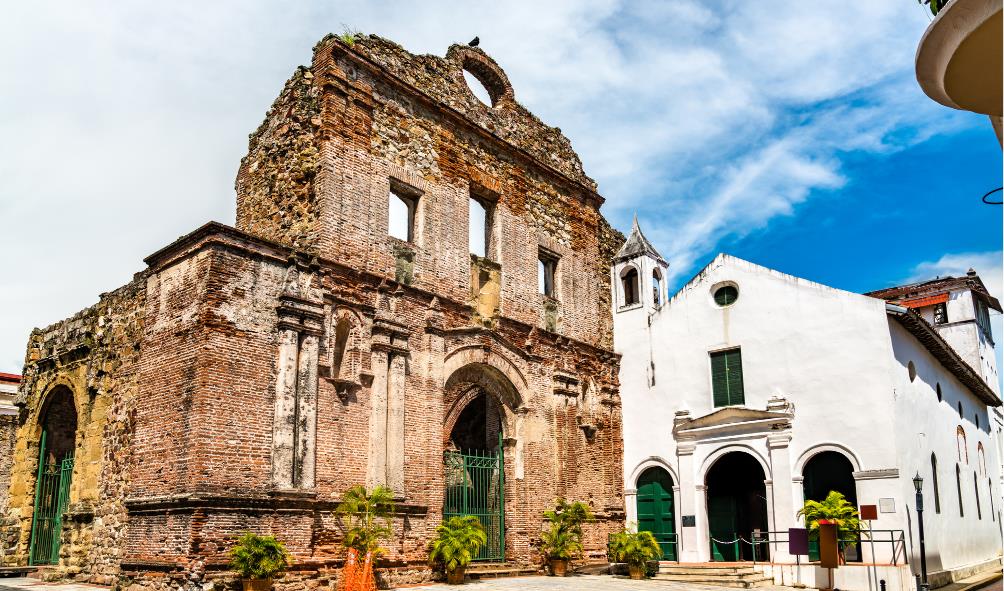
In 1903, with backing from the United States, a group of Panamanian revolutionaries declared independence. You can imagine the excitement and hope that filled the streets as the new republic emerged.
This bold move allowed Panama to break free from Colombian control, leading to the establishment of a government that prioritized local interests.
The independence movement marked a significant turning point, shaping Panama's identity and future.
The Return of Sovereignty
As Panama embraced its newfound identity after independence, the quest for true sovereignty became a pressing issue, especially regarding the control of the Panama Canal.
You can sense the determination of Panamanians as they sought to reclaim authority over this vital waterway, which had been under U.S. control since its completion.
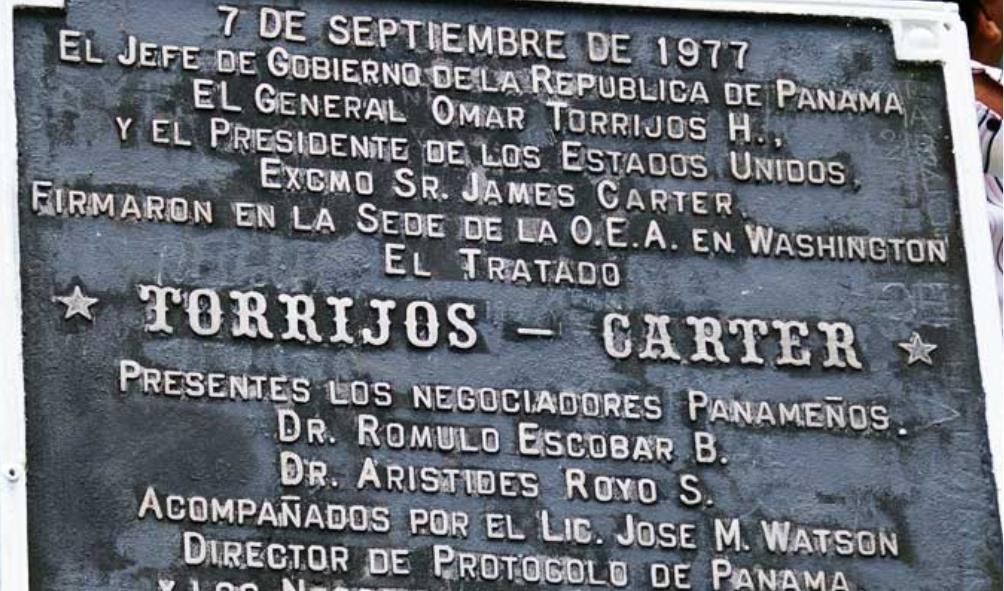
In the 1970s, negotiations began, leading to the Torrijos-Carter Treaties, which outlined a timeline for the gradual transfer of control.
By December 31, 1999, the Canal was officially handed back to Panama, marking a significant milestone in the nation’s history.
This return of sovereignty not only symbolized national pride but also empowered citizens to manage their resources and destiny, paving the way for a new chapter in Panama's journey.
Economic Growth and Challenges
Despite the challenges that often accompany rapid development, Panama has experienced remarkable economic growth since regaining control of the Panama Canal. This strategic asset has boosted trade and attracted foreign investment, creating jobs and stimulating sectors like construction and tourism.
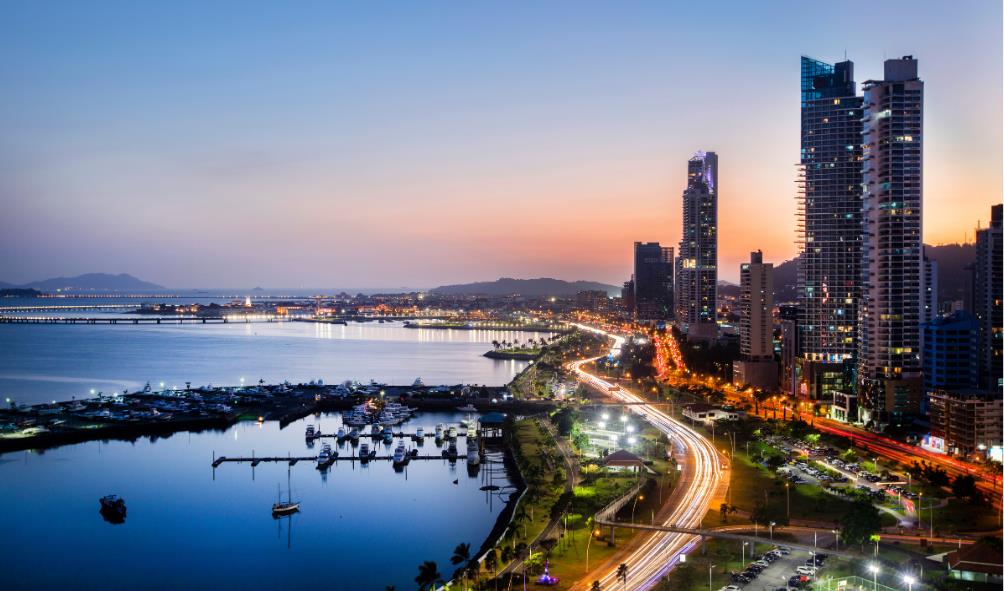
You’ll notice urban areas thriving, with new infrastructure projects sprouting up everywhere. However, this growth isn’t without its hurdles. Income inequality and poverty persist, affecting many communities.
Additionally, environmental concerns arise as rapid expansion puts pressure on natural resources. You might also see political instability impacting investor confidence.
Balancing development with social and environmental responsibility is crucial for sustaining this growth. As Panama navigates these challenges, you’ll witness its ongoing transformation into a dynamic regional player.
Modern Panama: Politics and Society
Panama's economic growth has had a profound impact on its political and social landscape. You’ll notice that increased foreign investment and the expansion of the Panama Canal have strengthened the economy, leading to a rising middle class.
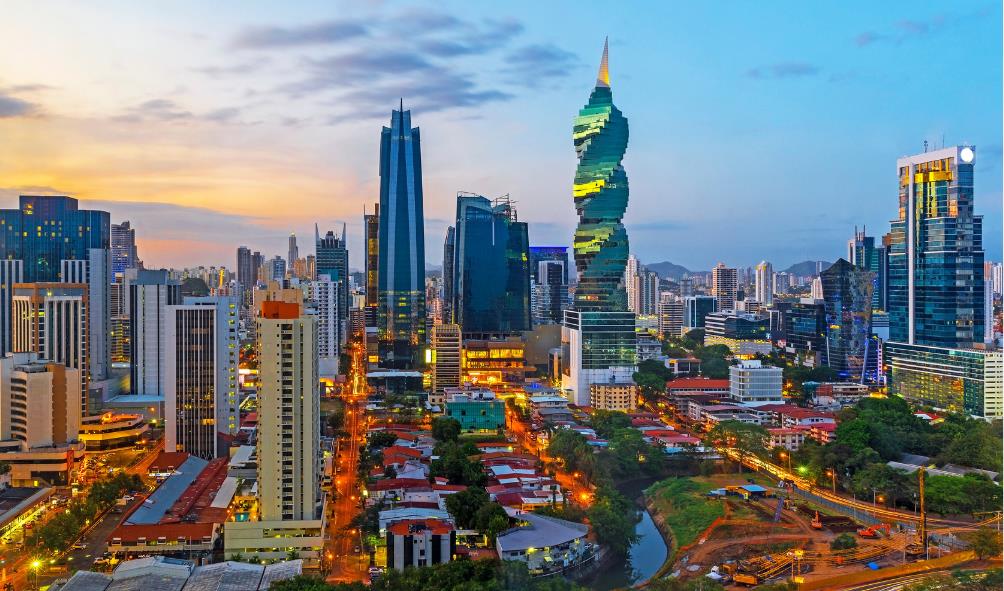
This shift has encouraged greater political participation, with citizens demanding transparency and accountability from their leaders. While democracy has flourished, challenges remain, such as corruption and inequality.
You might find that social issues, like education and healthcare, are at the forefront of public discourse. As you explore, you’ll see various social movements advocating for marginalized communities, highlighting a more engaged citizenry.
Conclusion
In conclusion, Panama's journey from rich indigenous cultures to a modern nation reflects its resilience and adaptability. You've seen how European colonization and the canal's construction shaped its identity and economy. Despite ongoing challenges, the spirit of citizen engagement continues to drive social change. As you explore Panama's vibrant history, remember that its future depends on addressing these issues while honoring its diverse heritage. Embrace the narrative of a nation that's still evolving and striving for a better tomorrow.
Statistics
- The Panama Canal, completed in 1914, handles approximately 5% of the world's maritime trade each year.
- Panama declared its independence from Colombia on November 3, 1903.
- As of 2023, Panama's population exceeds 4.5 million people.
- The construction of the Panama Canal required the labor of around 75,000 workers from more than 30 countries.
External Links
- Encyclopaedia Britannica - Panama: Provides a comprehensive overview of Panama's historical development and significant events.
- UNESCO - World Heritage in Panama: Highlights Panama's contributions to world heritage through its historical sites.
- U.S. National Archives - Panama: Contains archival materials related to Panama's political and economic history.
- Smithsonian - The Panama Canal: Details the construction and impact of the Panama Canal on global trade.
How To Examine Panama's Cultural Heritage
Panama's cultural heritage is a vibrant tapestry reflecting its diverse history and population. To examine this heritage, start by exploring the blend of indigenous, African, and Spanish influences that shape Panamanian traditions, music, and cuisine. Investigate key cultural institutions, such as museums and historical sites, which preserve and showcase the nation's heritage. Study traditional festivals like Carnival, which highlight Panamanian music, dance, and costumes, providing insight into the country's cultural expressions. Additionally, analyze the role of art and literature in reflecting Panama's social and historical narratives. By exploring these elements, you will appreciate the rich cultural diversity that defines Panama and contributes to its national identity.
Journey Through Panama's Historical Landmarks
Explore the key historical sites that tell the story of Panama’s past. From colonial architecture to important landmarks related to the Canal, each location offers a glimpse into the province’s evolution over centuries. Plan your visit and learn more about these significant places at www.escapetopanamanow.com.