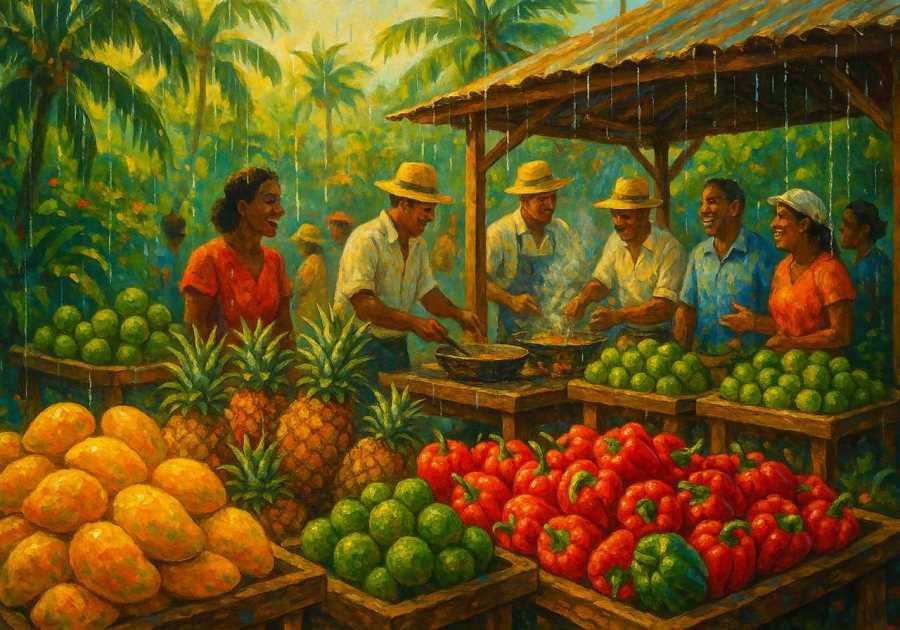

You might find the history of Guna Yala, once known as San Blas, both fascinating and complex. The Guna people's journey is filled with migration, cultural richness, and a relentless fight for autonomy. As you explore their past, you'll see how European encounters and colonization shaped their identity. Yet, despite these challenges, the Guna have managed to carve out a unique space for themselves. What drove their resilience?
The Origins of the Guna People
The Guna people, known for their vibrant culture and rich traditions, trace their origins back to the ancient migrations across the Isthmus of Panama.
As you delve into their history, you'll discover their deep connection to the land and sea, which shapes their identity.
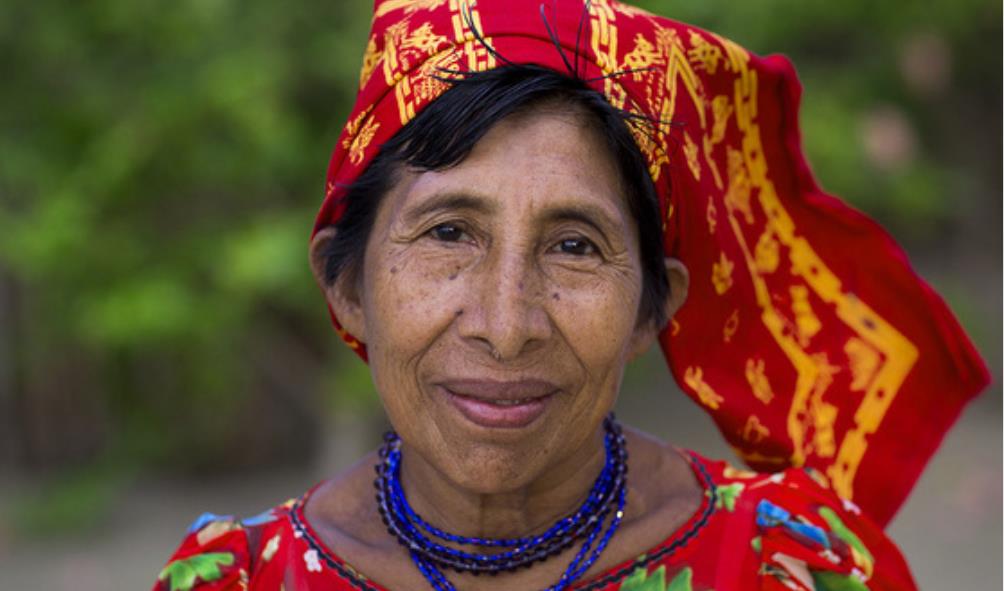
The Guna have maintained a strong sense of community, preserving their language, customs, and beliefs over generations.
Their unique social structure, centered around matrilineal lineage, highlights the importance of women in Guna society.
Through their art, music, and storytelling, they pass down their history and values, ensuring that younger generations remain rooted in their heritage.
Early European Encounters
As Europeans began to explore the New World in the 16th century, they encountered the Guna people, whose vibrant culture captivated many.
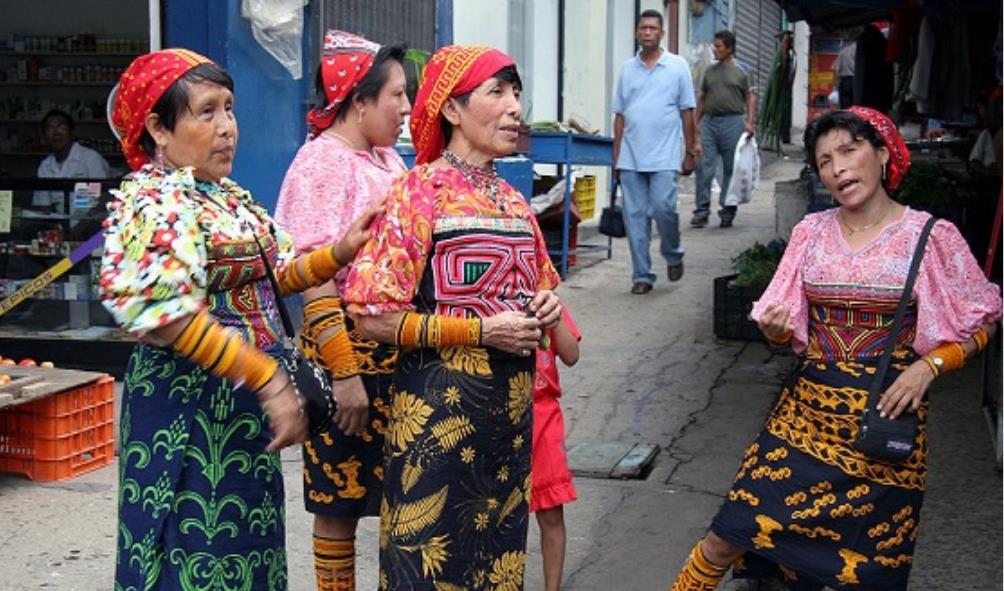
You'd notice their intricate molas and colorful attire, which stood in stark contrast to European styles. Explorers documented their customs, social structures, and the Guna's deep connection to the sea.
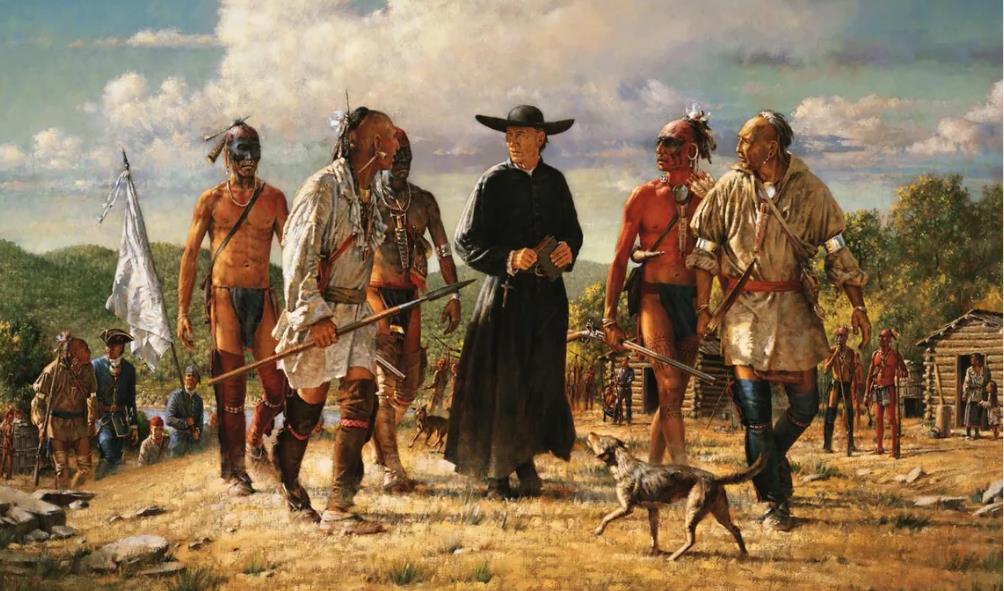
Some Europeans viewed the Guna with curiosity, while others sought to exploit their resources. You’d see the Guna’s resilience as they navigated these encounters, maintaining their traditions despite external pressures.
This period marked the beginning of complex interactions, where trade and cultural exchange occurred, but it also foreshadowed challenges that would arise in future encounters.
The Guna's rich history was forever altered by these initial European visits.
The Spanish Colonization
While European explorers laid the groundwork for future encounters, the Spanish colonization of Guna Yala in the 17th century brought significant changes to the region.
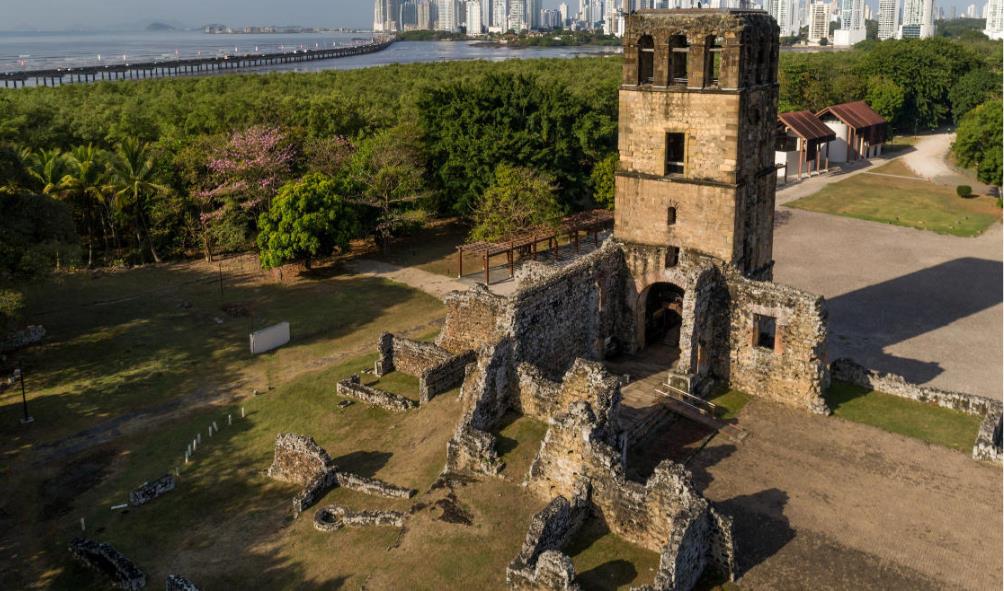
You’ll find that this period marked the beginning of extensive cultural and economic shifts. The Spanish sought to exploit the rich resources of the islands, leading to the establishment of trade routes. They imposed new governance, often disregarding the local customs and traditions.
As you explore this era, you'll notice that the Guna people faced challenges, including forced labor and the introduction of foreign diseases. Despite these hardships, the resilience of the Guna culture began to take shape, laying the foundation for their future struggles for identity and autonomy.
The Guna's Struggle for Autonomy
Despite facing centuries of domination, the Guna people have continuously fought for their autonomy, striving to reclaim their identity and rights.
You’ll find that their struggle intensified throughout the 20th century, particularly when they began to organize politically. They formed associations to voice their demands, advocating for greater control over their lands and resources.
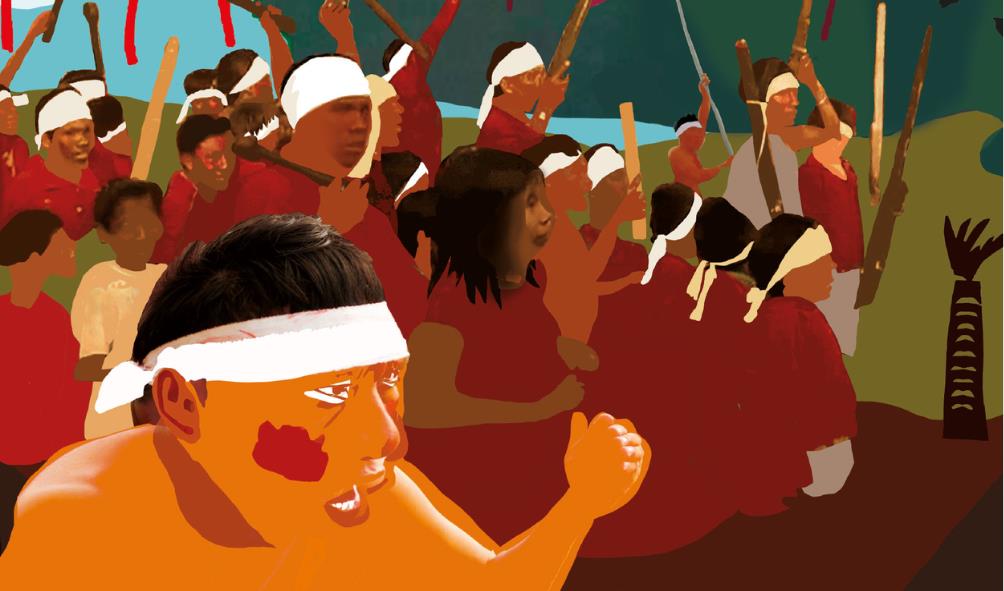
The Guna’s efforts culminated in the 1980s, when they successfully negotiated with the Panamanian government for greater self-governance. This pivotal moment allowed them to establish the Guna Yala comarca, granting them partial autonomy.
You can see this ongoing battle as a testament to their resilience and determination, as they continue to protect their culture, language, and traditions against external pressures.
The Transition From San Blas to Guna Yala
The transition from San Blas to Guna Yala marked a significant turning point in the Guna people's quest for self-identity and governance. In 2011, this change represented their desire to reclaim their heritage and assert their autonomy.

You might notice how the name shift reflects a deeper connection to their roots and cultural history. As the Guna people sought to establish their own laws and administrative systems, they aimed to break free from external control.
This transition involved community discussions, celebrations, and a strong commitment to preserving their traditions. By embracing the name Guna Yala, they not only honored their ancestors but also paved the way for future generations to strengthen their identity and continue their journey toward self-determination.
Cultural Preservation and Identity
Embracing the name Guna Yala has sparked a renewed focus on cultural preservation and identity among the Guna people. You’ll notice this revival in their vibrant traditions, music, and art.
The Guna are committed to passing down their unique customs, ensuring younger generations understand their rich heritage. Local festivals celebrate their history and strengthen community bonds, where you can experience traditional dances and storytelling firsthand.
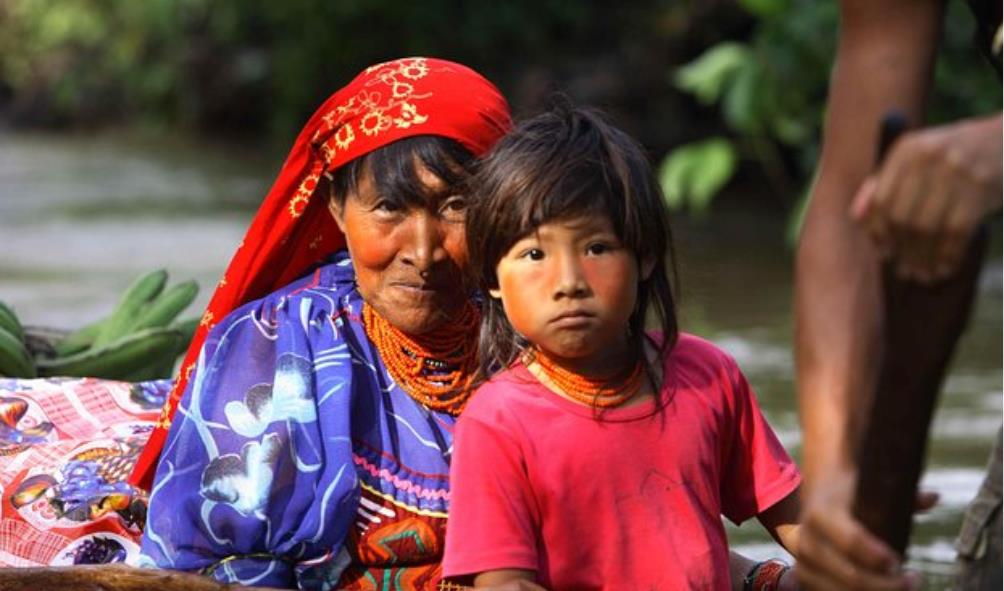
Guna women play a crucial role, weaving colorful molas that reflect their identity and creativity. As you engage with the community, you’ll see how they blend modern influences while fiercely safeguarding their roots.
This commitment to cultural identity not only honors their ancestors but also empowers the Guna to thrive in today’s world.
The Role of the Guna Congress
While many communities look to their leaders for guidance, the Guna Congress plays a pivotal role in representing the interests and rights of the Guna people. This traditional governing body consists of elected delegates who advocate for the community’s needs, ensuring that Guna voices are heard in both local and national discussions.
You’ll find that the Congress addresses issues like education, healthcare, and land rights, working to protect the cultural heritage and autonomy of the Guna. By fostering unity, the Congress also encourages collaboration among various Guna communities.
Their decisions influence policies that affect your daily life, ensuring that the Guna identity remains strong and resilient in a changing world. Your involvement in these processes can help shape the future of Guna Yala.
Environmental Challenges and Conservation
As climate change intensifies, Guna Yala faces significant environmental challenges that threaten its unique ecosystems and cultural livelihoods. Rising sea levels endanger coastal communities and their traditional ways of life.
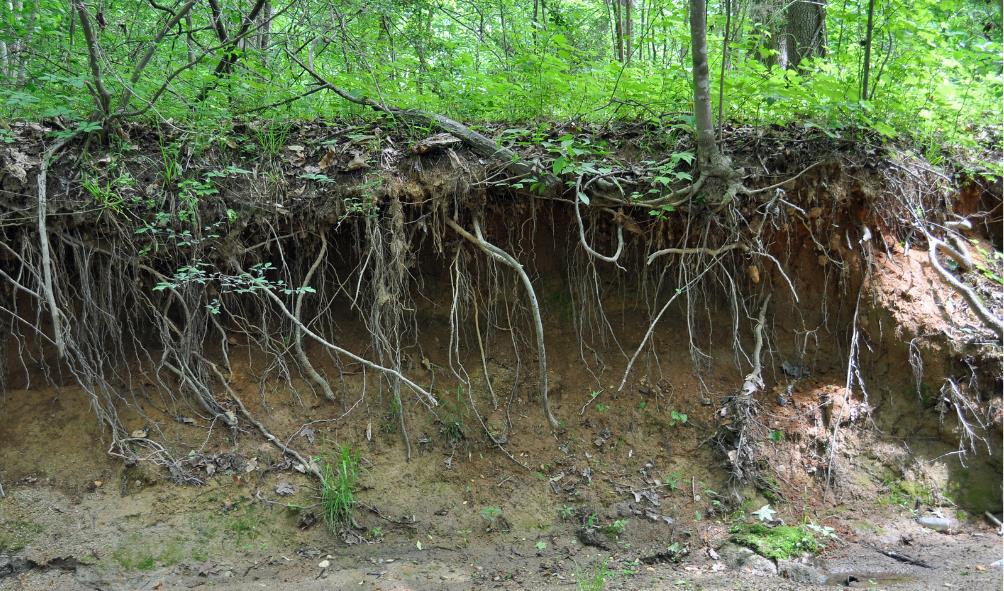
You’ll notice increased flooding and erosion, disrupting not just the land but also the delicate balance of marine habitats. Overfishing and pollution further strain resources, impacting both biodiversity and the Guna people's food security.
Conservation efforts are crucial; local organizations and communities are working tirelessly to protect their environment. Engaging in sustainable practices and advocating for environmental policies can help preserve the rich biodiversity of Guna Yala.
Tourism and Its Impact on Guna Yala
Tourism has become a double-edged sword for Guna Yala, bringing both opportunities and challenges.
On one hand, it boosts the local economy, providing jobs and income for many Guna people. You’ll find vibrant cultural exchanges as visitors immerse themselves in the unique traditions and stunning landscapes.
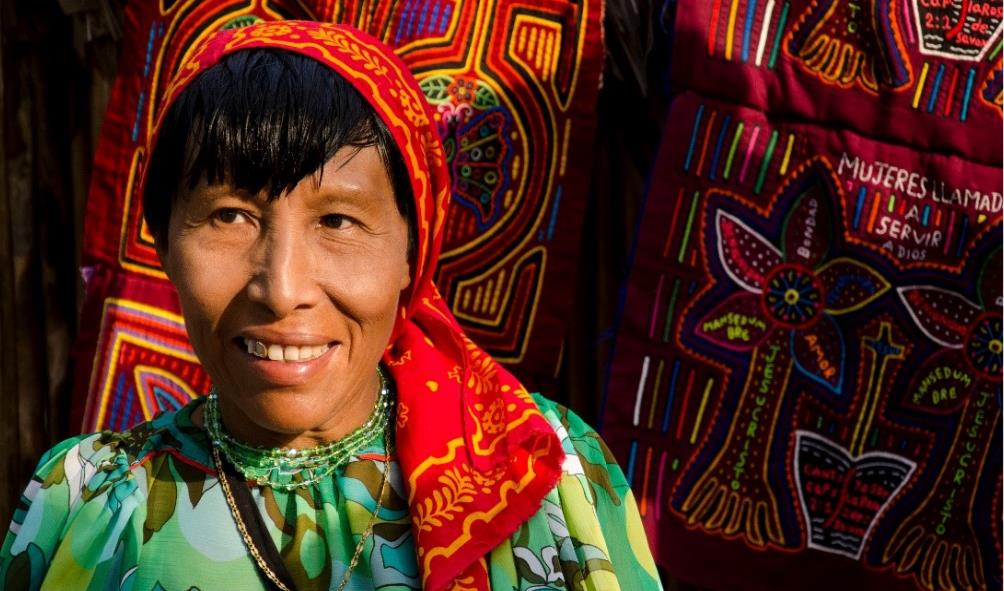
However, this influx of tourists also poses threats. Increased foot traffic can lead to environmental degradation and strain on resources. You might notice that some traditional practices are diluted to cater to tourists’ expectations.
Balancing these effects is crucial. As you explore Guna Yala, you can support sustainable tourism practices that respect the culture and environment.
The Future of Guna Yala and Its People
Looking ahead, Guna Yala faces both exciting opportunities and significant challenges that will shape its future.
You’ll see how the community’s unique culture can attract more sustainable tourism, boosting the local economy while preserving traditions. Embracing technology might enhance education and healthcare access, improving the quality of life for people.
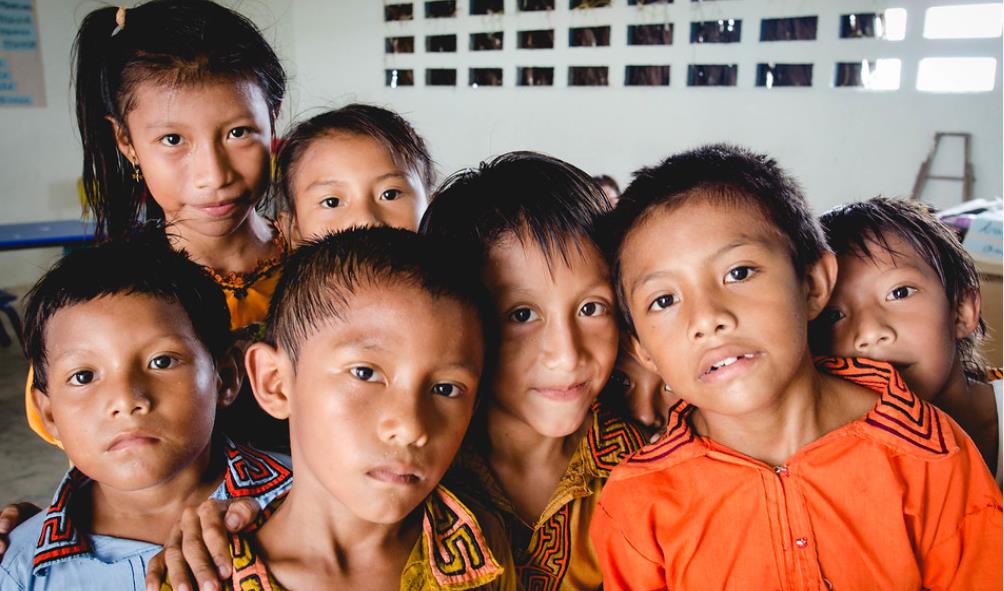
However, challenges like climate change threaten their way of life, so protecting the environment is crucial. It’s essential for the Guna Yala people to unite in advocacy for their rights and resources.
As you engage with this vibrant culture, remember that your support can help empower them to navigate these changes. Together, we can ensure a thriving future for Guna Yala and its people, blending tradition with progress.
Conclusion
In conclusion, Guna Yala’s rich history reflects the resilience and strength of its people. You’ve seen how they’ve navigated challenges from early European encounters to modern-day issues like tourism and environmental conservation. As the Guna continue to embrace their traditions while advocating for self-determination, their journey offers valuable lessons in cultural preservation and community empowerment. The future of Guna Yala lies in your hands, as you carry forward the legacy of this vibrant culture.
Statistics
- Since gaining autonomy, Guna Yala has experienced a 20% growth in eco-tourism, significantly boosting the local economy.
- Guna Yala spans around 4,860 square kilometers, providing extensive land for traditional lifestyles and activities.
- The preservation efforts in Guna Yala have led to over 500 active artisans producing traditional mola textiles annually.
- The region comprises approximately 5,000 islands and islets along Panama's Caribbean coast.
External Links
- Britannica: Guna Yala provides a comprehensive overview of the region's history and cultural heritage.
- History.com: Guna Indigenous People delves into the rich history and traditions of the Guna community.
- Lonely Planet: Guna Yala explores the historical significance and tourist attractions of the San Blas region.
- Travel Panama: San Blas Islands offers insights into the historical background and significance of the San Blas area, now known as Guna Yala.
How To Study the Cultural Heritage of Guna Yala
Delve into the rich cultural traditions of Guna Yala by exploring their language, art, and social practices. Focus on the creation and significance of mola textiles, traditional ceremonies, and community structures. Engage with cultural studies and ethnographic research that document the Guna’s way of life. Participating in cultural events and visiting artisans can provide firsthand experience of the enduring cultural heritage that shapes Guna Yala's identity.
Experience the Unique Traditions of the Guna People
The Guna people of Guna Yala boast a wealth of traditions that have been meticulously preserved over centuries. Their vibrant festivals, intricate craftsmanship, and communal way of life offer a glimpse into a society that values heritage and cultural pride. Participating in these traditions not only provides an enriching experience but also supports the preservation efforts of the Guna community. Whether it’s witnessing the creation of molas or joining in traditional dances, every interaction deepens your understanding of their enduring legacy. For more detailed information on Panama’s indigenous cultures and regions, visit www.escapetopanamanow.com.