Chiriquí's history is a tapestry woven from the threads of its early Ngäbe-Buglé cultures, European colonization, and agricultural revolutions. You’ll discover how these elements shaped not just the land, but its people and their identities. Each chapter reveals the struggles and triumphs that define this region today. But what about the ongoing efforts to balance progress with conservation? The answers might surprise you.
Early Inhabitants: The Ngäbe-Buglé Cultures
When you delve into the history of Chiriquí, you'll discover that the Ngäbe-Buglé cultures were among the earliest inhabitants of the region. They established vibrant communities, relying on agriculture, hunting, and fishing for sustenance.
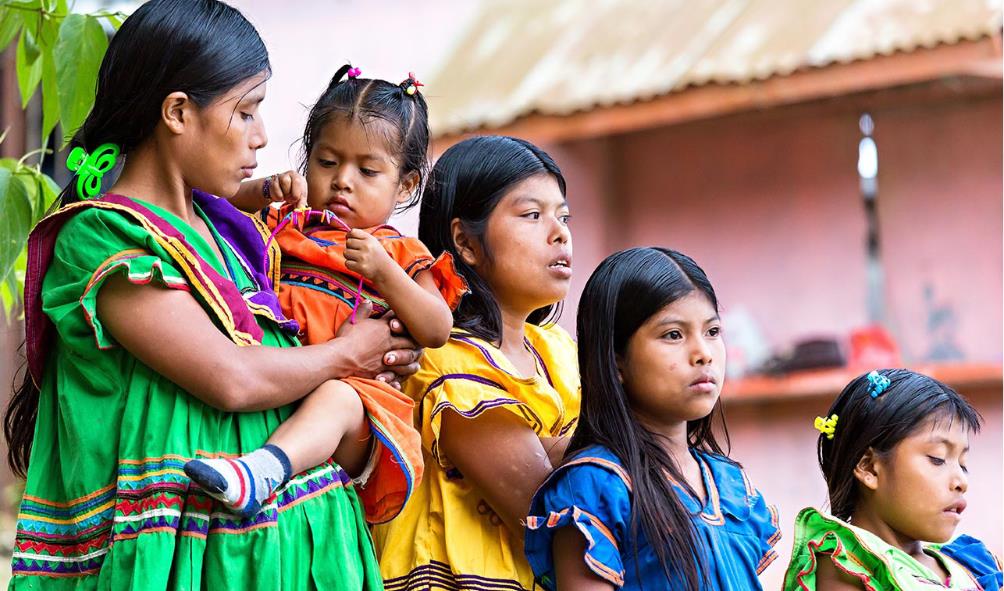
You’ll notice their intricate social structures and rich traditions, which reflect a deep connection to the land. These cultures thrived in the diverse ecosystems, cultivating crops like maize, beans, and tubers.
You'll find that their craftsmanship in pottery and textiles showcases their artistic abilities and cultural identity. The Ngäbe-Buglé peoples also held strong spiritual beliefs, often tied to the natural world around them.
As you explore their legacy, you’ll appreciate how their influence still resonates in Chiriquí today, shaping its cultural landscape.
European Exploration and Colonization
As European explorers ventured into the region during the 16th century, they encountered the rich cultures of Chiriquí, which would soon face profound changes.
You'd witness the arrival of Spanish conquistadors, driven by the pursuit of wealth and land. They established contact with the local populations, often imposing their beliefs and systems.
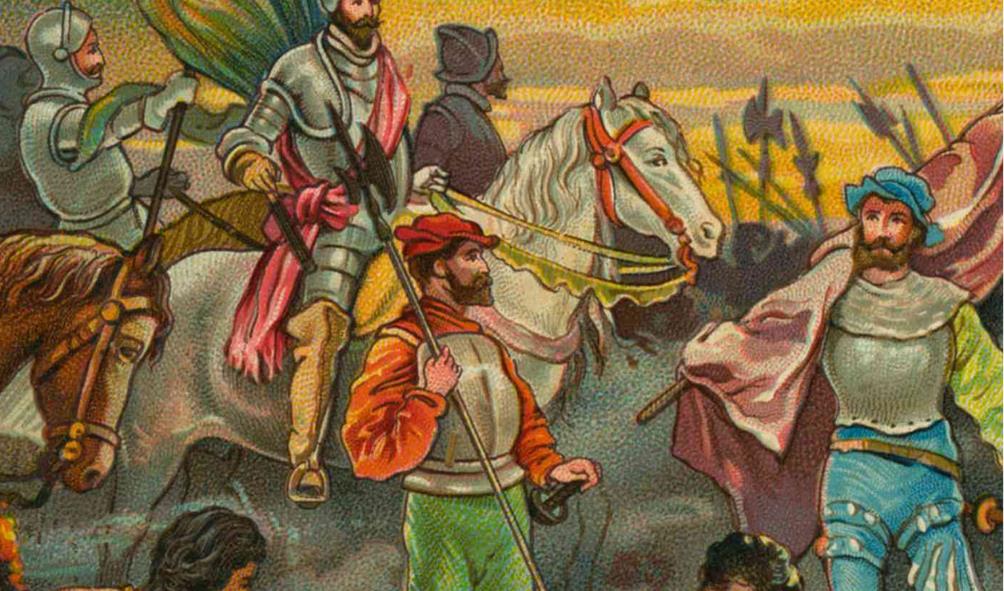
You'd see the introduction of new crops and livestock, transforming the local economy, but also the spread of diseases that devastated indigenous communities.
The landscape shifted as Europeans claimed territory, and their settlements began to alter the way of life for the Ngäbe-Buglé people.
This era marked the beginning of a complex relationship between the native cultures and European powers, setting the stage for future conflicts and transformations.
The Role of Chiriquí in the Spanish Empire
The Spanish Empire recognized Chiriquí's strategic importance in the 16th and 17th centuries, primarily due to its fertile lands and abundant resources.
You'd find that the region became a vital agricultural hub, supplying food and goods to nearby settlements and the empire itself. The Spanish established plantations, cultivating crops like sugar, which became crucial for trade.
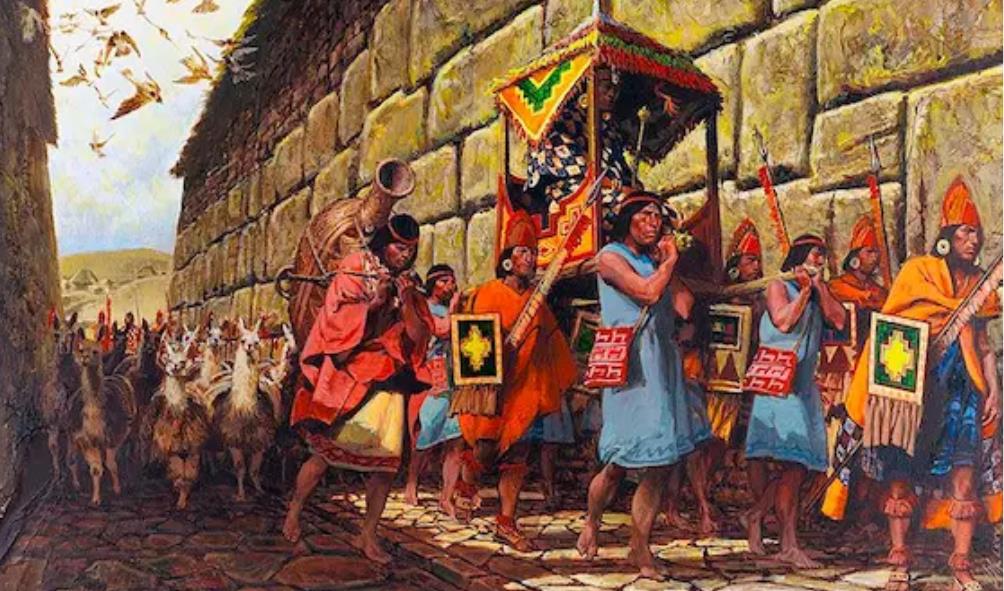
As you explore this era, you'll notice how Chiriquí served as a launching point for further exploration into Central America, enhancing Spain's control over the region.
The local indigenous populations were often coerced into labor, impacting their societies dramatically.
The Coffee Boom of the 19th Century
Chiriquí experienced a remarkable transformation in the 19th century due to the coffee boom, which turned the region into one of Central America's leading producers of this beloved beverage.
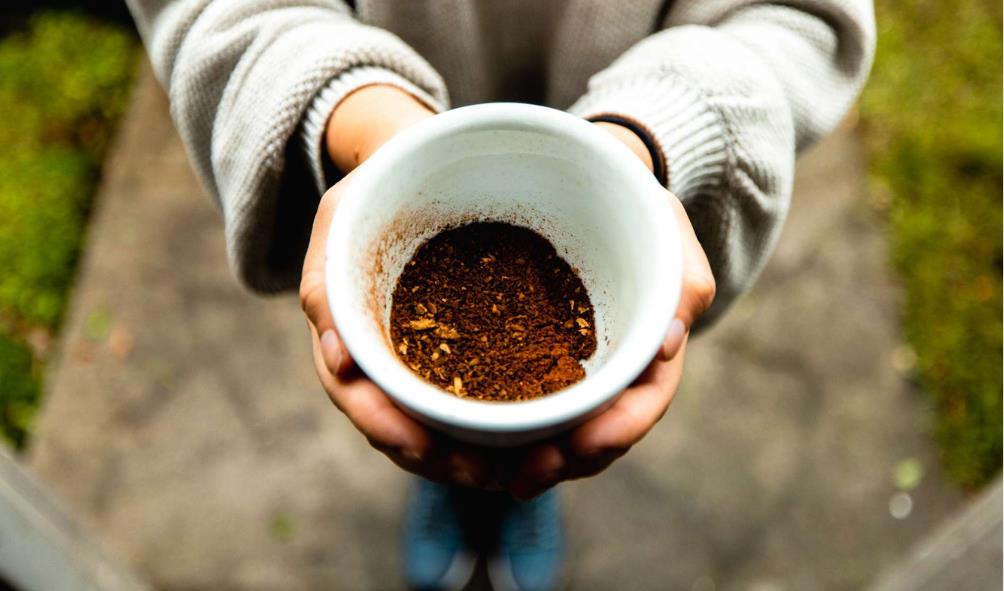
You'd find lush landscapes filled with coffee plantations, as farmers embraced new techniques and varieties that improved quality and yield. The demand for coffee surged, and you could see local communities thriving, with increased trade and investment flowing into the area.
Smallholders and larger estates alike flourished, creating jobs and enhancing the local economy. As you explore the region, you'll notice how this period fostered a sense of identity and pride among Chiriquí's residents, shaping their culture and establishing coffee as a cornerstone of their heritage.
The Impact of the Gold Rush
While gold fever swept through much of Central America in the mid-19th century, Chiriquí found itself significantly affected by this surge of prospectors and fortune seekers.
You’d witness an influx of adventurers arriving, drawn by tales of riches hidden in the region's rivers and hills. This rush transformed Chiriquí’s landscape, as makeshift camps sprang up and mining operations began.
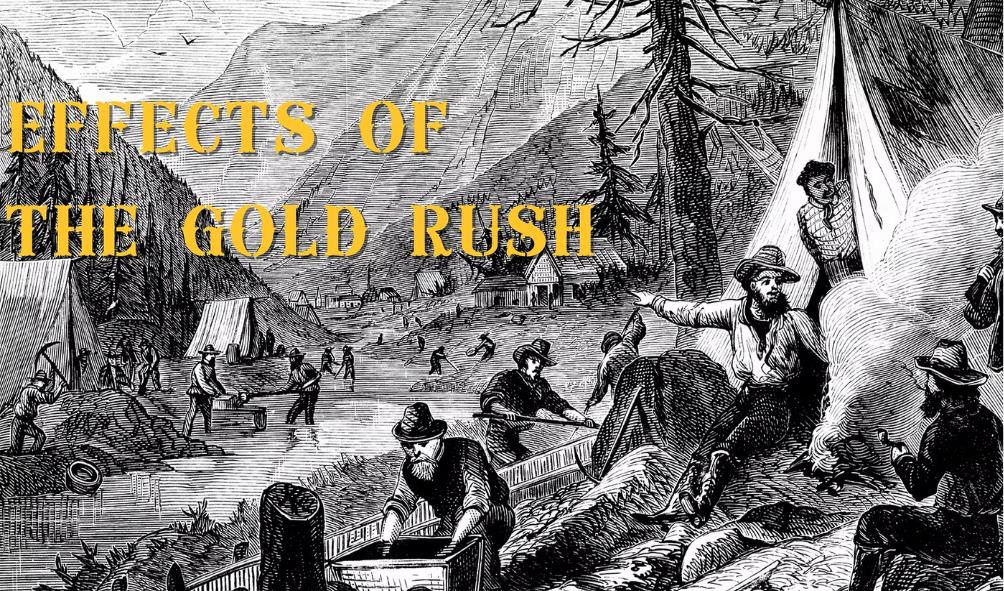
As you explore, you’d notice how local communities adapted to the changing dynamics, with merchants catering to the needs of miners.
However, the gold rush also brought challenges, including environmental degradation and social tensions among various groups.
Ultimately, this period marked a turning point, influencing Chiriquí's economy and setting the stage for future developments in the region.
Development of Infrastructure and Transportation
As gold miners flocked to Chiriquí, the need for improved infrastructure and transportation quickly became apparent.
You’d see roads constructed to connect remote mining sites with bustling towns, making it easier for supplies and people to move.

Railways began to emerge, further enhancing access to the region's resources.
You'd notice bridges spanning rivers, allowing for safer and faster travel.
The local government and communities worked together to ensure that these developments met the demands of the growing population.
As a result, trade flourished, and the economy began to thrive.
You could feel the excitement in the air as Chiriquí transformed, laying a solid foundation for future growth while opening doors for new opportunities and connections.
The Influence of the American Canal Project
Although the American Canal Project primarily focused on the Panama Canal, its influence extended to Chiriquí, reshaping the region in significant ways.
You’d notice how the influx of workers and resources transformed local economies. Opportunities sprang up as new businesses catered to the growing population, enhancing trade and commerce. Roads, railways, and communication systems improved, connecting Chiriquí to broader markets.
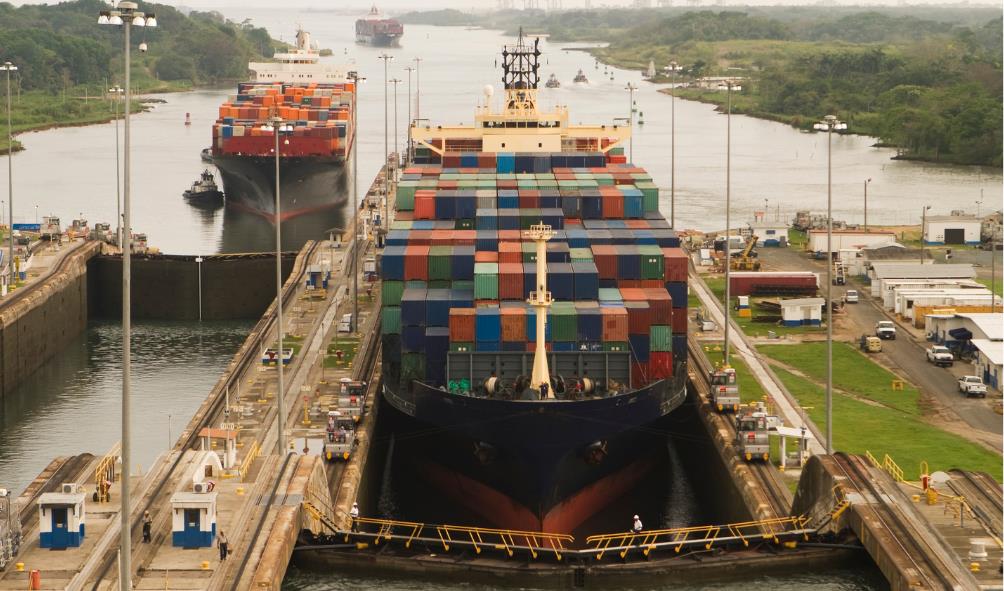
Additionally, the demand for agricultural products surged, encouraging local farmers to diversify their crops. You might feel the impact of this economic shift, as it laid the groundwork for future growth.
The American presence also introduced modern practices and ideas, which helped Chiriquí adapt and thrive in a rapidly changing world. Overall, the canal project left a lasting legacy on the region.
Modern Agricultural Practices and Their Evolution
Since the early 20th century, Chiriquí has embraced modern agricultural practices that have transformed its farming landscape.
You’ll notice farmers adopting advanced techniques, such as crop rotation and integrated pest management, which boost productivity while preserving soil health. The introduction of high-yield crop varieties, particularly in coffee and rice, has significantly increased output.
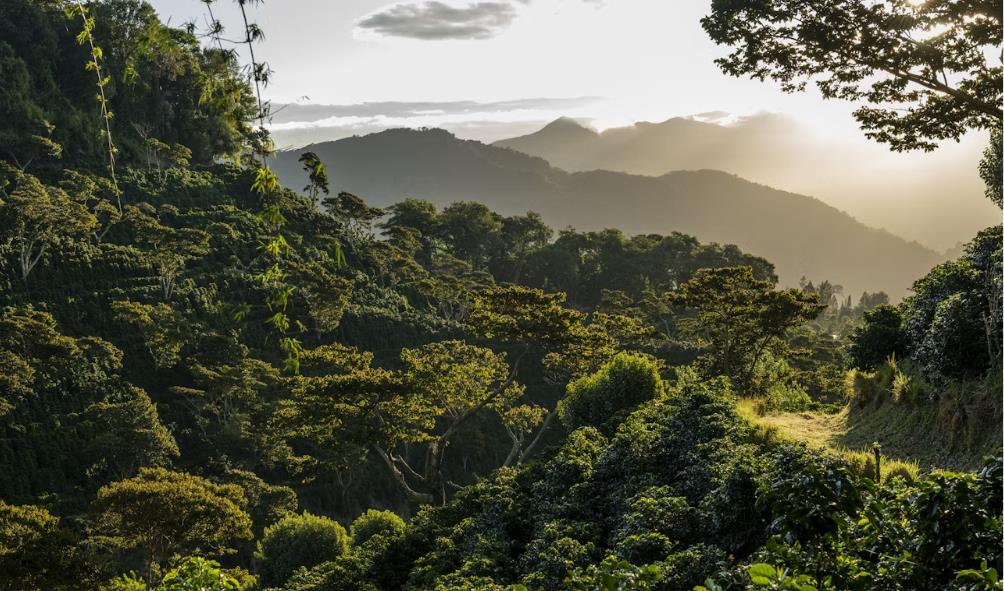
Irrigation systems have improved, ensuring that water is efficiently used, especially during dry seasons.
Sustainable practices, like organic farming, have gained traction, appealing to environmentally conscious consumers. You may observe the rise of cooperatives, enabling farmers to share resources and knowledge, fostering community growth.
These developments not only enhance food security but also empower local farmers, paving the way for a resilient agricultural future in Chiriquí.
Cultural Heritage and Indigenous Rights
Chiriquí's rich cultural heritage, deeply intertwined with the rights of its Indigenous communities, reflects a vibrant tapestry of traditions and practices that have thrived for centuries.
You’ll find that these communities hold deep connections to the land, preserving languages, art, and customs that shape their identity.
As you explore, you'll see the importance of acknowledging their rights in discussions around land ownership, cultural preservation, and self-determination. The struggle for recognition continues, emphasizing the need for respect and support.
Tourism and Environmental Conservation in Chiriquí
Recognizing the rich cultural heritage and rights of Indigenous communities naturally leads to discussions about tourism and environmental conservation in Chiriquí.
As you explore this stunning region, you’ll find a unique blend of adventure and sustainability. Eco-tourism offers you the chance to appreciate the breathtaking landscapes while supporting local communities and preserving their traditions.
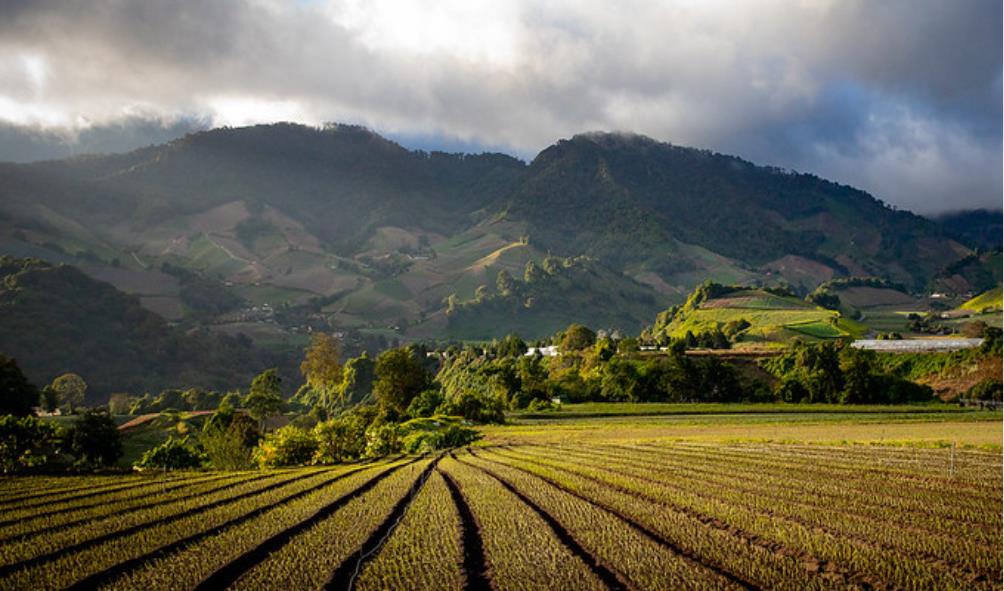
You'll discover lush rainforests, pristine beaches, and diverse wildlife, all thriving thanks to conservation efforts. Engaging with local guides enhances your experience, connecting you to the land and its stories.
By choosing responsible tourism, you’re not just enjoying nature; you’re also contributing to its protection.
Conclusion
In conclusion, Chiriquí's rich history reflects a blend of indigenous resilience and external influences. From the Ngäbe-Buglé's agricultural traditions to the transformative coffee boom and modern conservation efforts, you can see how each era shaped the region. As you explore Chiriquí today, you’ll witness the vibrant culture and stunning landscapes that honor its heritage. By supporting sustainable practices, you help ensure that this unique history and biodiversity continue to thrive for future generations.
External Links
- Encyclopedia Britannica - Chiriquí Detailed historical background and significance of the Chiriquí region.
- Wikipedia - Chiriquí Province Comprehensive overview of Chiriquí's history and development.
- Development Gateway - Chiriquí History Analysis of Chiriquí's historical development and economic growth.
- PanamaTours - History of Chiriquí Insightful information on the cultural and historical milestones of Chiriquí.
How To Analyze the Economic Development of Chiriquí
Examine historical economic data to trace the growth of key industries in Chiriquí, such as agriculture, mining, and commerce. Investigate the role of infrastructure projects like railways and ports in facilitating trade and expansion. Assess the impact of foreign investments and multinational companies on the local economy. Study government policies and initiatives that have influenced economic trends over time. Utilize economic reports and case studies to understand the challenges and successes faced by the region. Analyzing these factors will reveal how Chiriquí has evolved into an economic hub within Panama.
Investigate Chiriquí’s Historical Landmarks
The landmarks of Chiriquí stand as enduring symbols of Panama's past. From colonial architecture to evolving infrastructures, each site tells a story of resilience and transformation. Studying these historical landmarks provides insights into the socio-economic changes that have influenced the region's development over the centuries. For a detailed look at important historical sites in Panama, visit escapetopanamanow.com.