
When you explore the history of Bocas Del Toro, you’ll uncover a tapestry of cultures that shaped this unique archipelago. From the vibrant traditions of Indigenous peoples to the influences of European colonization and the rise of banana plantations, each chapter reveals more than just facts. As you consider the transformation brought by tourism, you might wonder how these changes impact the local environment and communities today. What stories lie beneath the surface?
Early Indigenous Inhabitants
Before European contact, Bocas Del Toro was home to several Indigenous groups, including the Ngäbe, Buglé, and Kuna people.
You’d find these communities thriving in a rich tapestry of culture, language, and tradition. The Ngäbe, known for their vibrant textiles, cultivated crops like rice and corn, while the Buglé focused on fishing and hunting in the lush surroundings.
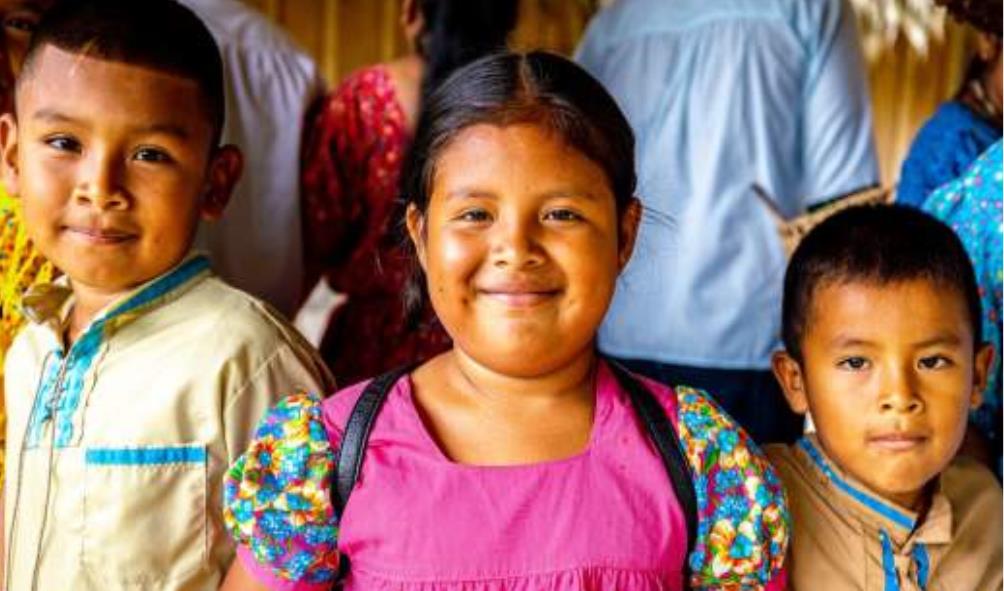
The Kuna people, with their unique governance and matrilineal society, contributed to the region's cultural diversity. You’d witness traditional ceremonies that honored nature and ancestral spirits, reflecting a deep connection to the land.
Each group had its own customs, weaving a complex social fabric that still resonates today. Understanding their history enriches your appreciation of Bocas Del Toro's vibrant heritage.
European Exploration and Colonization
As European explorers ventured into the Caribbean in the 16th century, Bocas Del Toro caught their attention for its natural beauty and strategic location.
You'd find the islands offered safe harbor and rich resources, making them appealing for trade routes. Explorers like Christopher Columbus sailed through these waters, intrigued by the lush landscapes and potential for wealth.

They documented their encounters with indigenous groups, noting the vibrant cultures present. As you learn about this era, you can see how European interest grew, leading to further expeditions and eventual colonization.
The promise of gold and new territories fueled ambitions, setting the stage for dramatic changes in the region’s dynamics. Bocas Del Toro would soon become a significant point of interest in the colonial narrative.
The Impact of the Spanish Conquistadors
The arrival of Spanish conquistadors in Bocas Del Toro marked a turning point in the region's history, dramatically altering its cultural landscape.
You’ll notice that their quest for gold and resources led to the establishment of settlements and the introduction of European customs. Indigenous populations faced significant disruptions as the conquistadors imposed their language, religion, and governance.
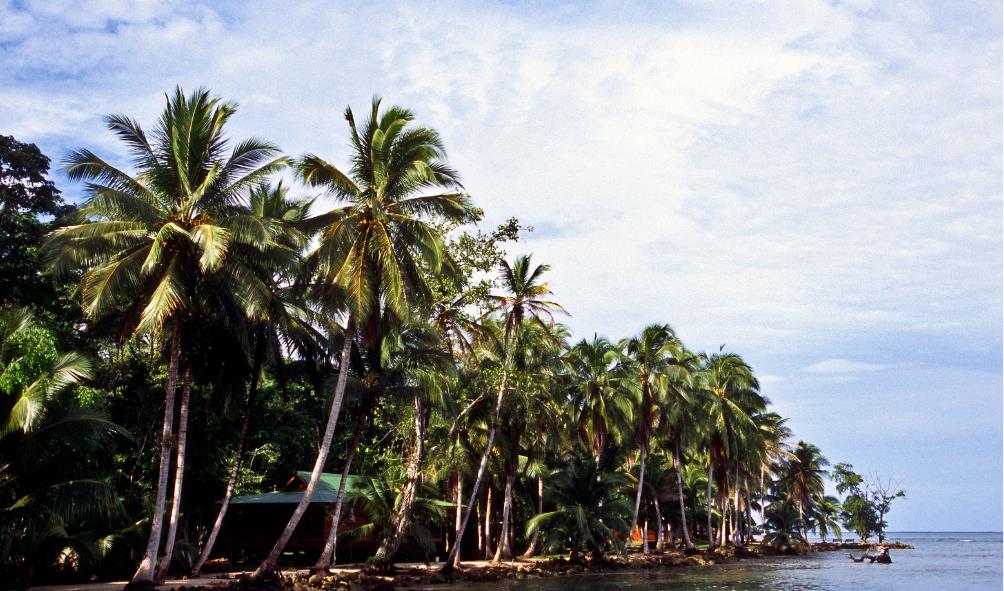
The once-thriving societies began to diminish under colonial rule, as disease and conflict took a heavy toll. You can see remnants of this era in the architecture and traditions that persist today.
The blending of Indigenous and Spanish cultures created a unique identity, but it also paved the way for centuries of struggle and adaptation for the people of Bocas Del Toro.
The Rise of Banana Plantations
With the decline of indigenous populations and the rise of European influence, banana plantations emerged as a dominant force in Bocas Del Toro’s economy during the late 19th century.
You’ll notice how these plantations transformed the landscape, as vast fields of banana trees replaced traditional agriculture.
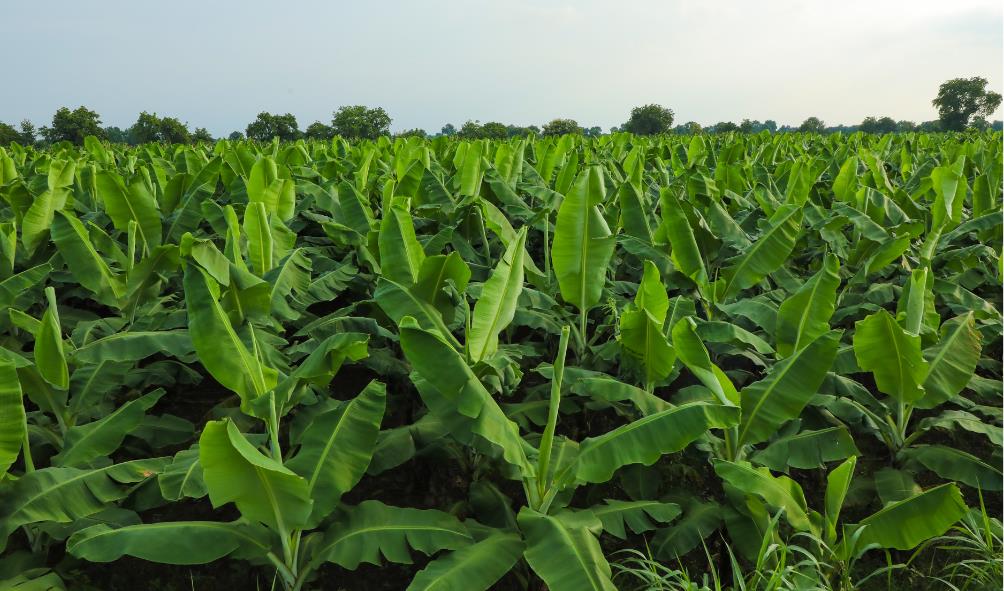
Companies like the United Fruit Company brought investment and infrastructure, but they also exploited local labor and resources.
As you explore, you’ll see how these plantations generated wealth for foreign investors while often neglecting the needs of local communities.
The boom led to increased migration, changing social dynamics.
This period marked a significant shift, setting the stage for future developments in Bocas Del Toro, as the banana industry became synonymous with the region's identity and economic challenges.
The Role of the Caribbean in Bocas Del Toro's Development
While exploring Bocas Del Toro’s development, you’ll find that the Caribbean played a pivotal role in shaping its cultural and economic landscape. Its strategic location made it a bustling hub for trade and transportation, connecting Panama to other Caribbean nations.
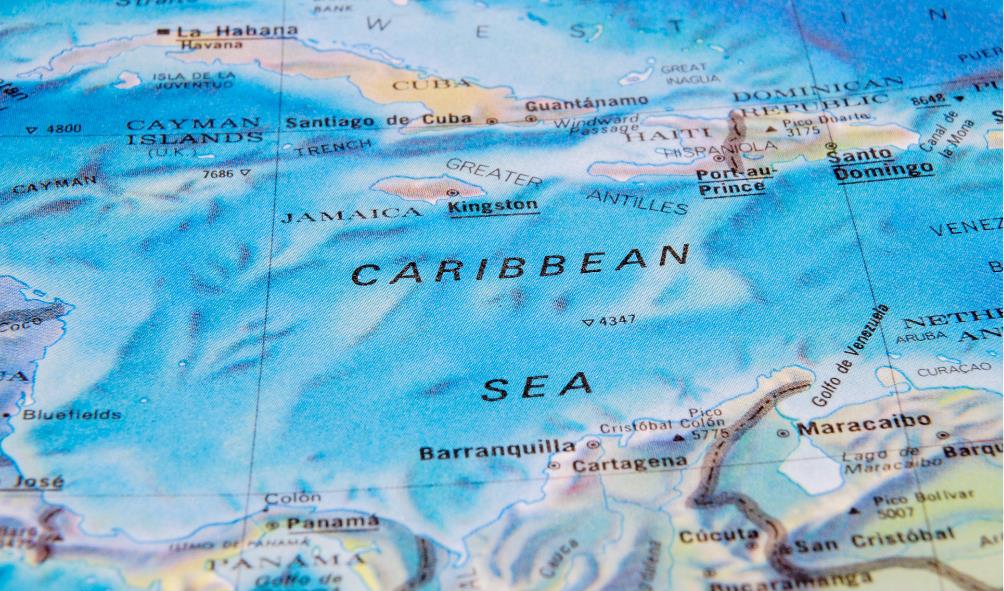
The Caribbean Sea not only facilitated the movement of goods but also attracted diverse communities seeking opportunities. This influx of people enriched Bocas Del Toro’s culture, infusing it with various traditions and practices.
Additionally, the region’s access to rich marine resources fostered local industries like fishing and tourism. The Caribbean’s influence extends beyond economics; it’s woven into the very identity of Bocas Del Toro, making it a vibrant and unique destination that reflects a blend of cultures and histories.
The Influence of Afro-Caribbean Culture
Afro-Caribbean culture pulses through the heart of Bocas Del Toro, significantly shaping its social fabric and community life.
You’ll find vibrant music, dance, and festivals that reflect this rich heritage. Reggae and calypso rhythms fill the streets, inviting you to join in the celebration.

Local cuisine, with its spicy flavors and fresh seafood, tells stories of cultural blending and shared traditions. You'll notice how community gatherings often revolve around food, music, and storytelling, fostering a sense of unity.
Language also plays a role; the creole dialect adds a distinct flavor to conversations.
As you explore, you can't help but feel the warmth and vibrancy of Afro-Caribbean culture, which continues to influence the identity of Bocas Del Toro today.
Economic Changes in the 20th Century
As Bocas Del Toro entered the 20th century, it experienced significant economic transformations driven by changes in agriculture, tourism, and trade.
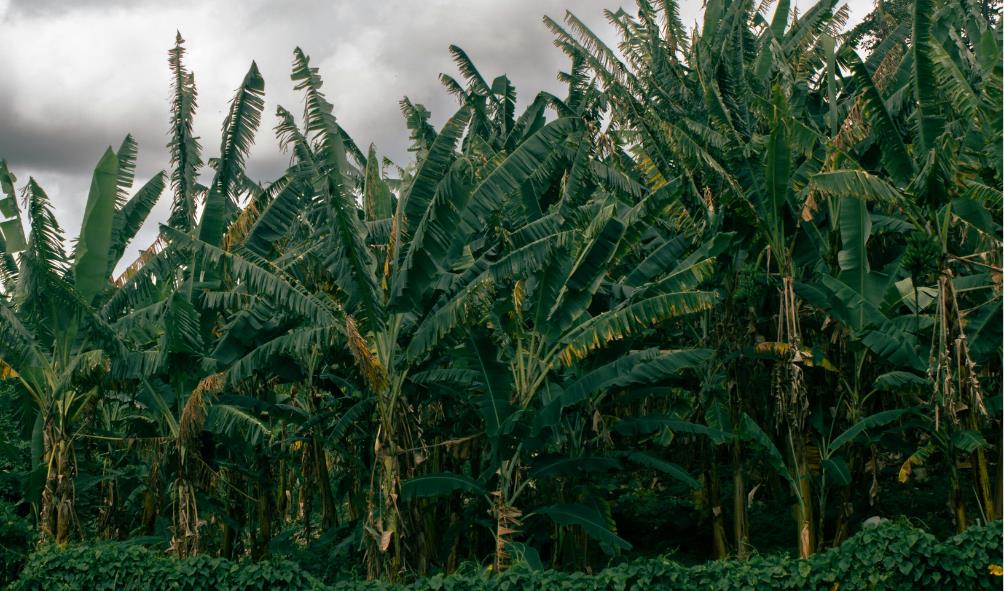
You’d notice that traditional farming methods evolved, with a shift towards banana and cocoa cultivation, boosting local economies and attracting international markets.
Tourism began to emerge as a vital industry, with visitors drawn to the region's stunning beauty and vibrant culture. You could see how this influx of tourists created jobs and supported small businesses, transforming the local landscape.
Additionally, the growth of trade routes facilitated commerce, connecting Bocas Del Toro to larger markets.
These changes fundamentally altered the lifestyle of residents, fostering a sense of opportunity and progress that would shape the community for generations to come.
Environmental Conservation Efforts
Although Bocas Del Toro thrived economically in the 20th century, residents recognized the need to protect their unique environment.
You’ll find that local communities began to implement conservation initiatives aimed at preserving biodiversity. They established protected areas, like the Isla Bastimentos National Marine Park, which safeguards marine life and habitats.
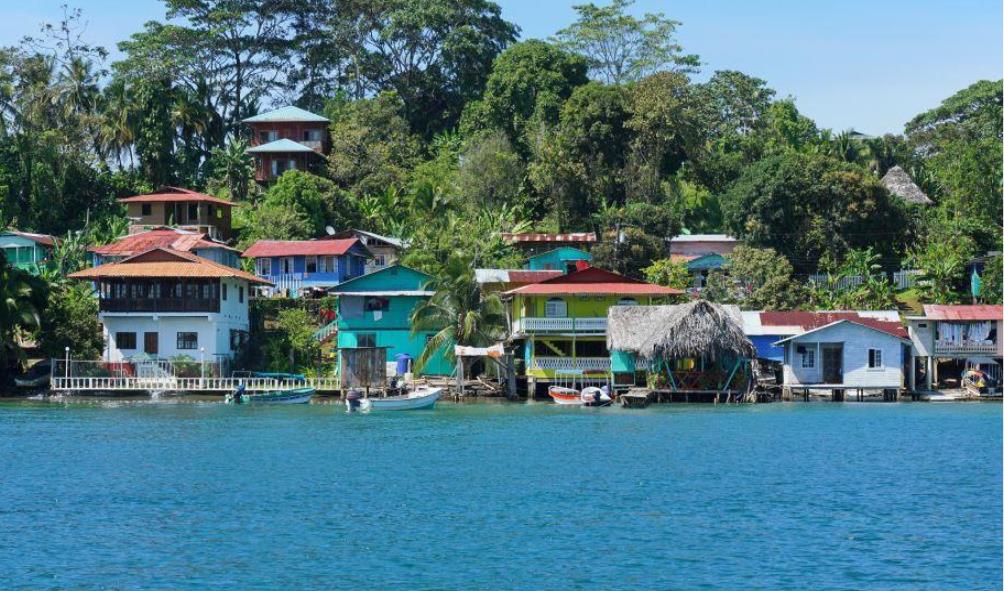
Community organizations actively educate residents and visitors about sustainable practices, promoting responsible fishing and eco-friendly tourism. You might notice that many locals advocate for reforestation efforts, planting native trees to restore damaged ecosystems.
Additionally, partnerships with international NGOs have bolstered these initiatives, providing resources and expertise. By prioritizing these conservation efforts, Bocas Del Toro aims to maintain its natural beauty and ecological balance for future generations.
The Modern Tourism Boom
Since the early 2000s, Bocas Del Toro has experienced a remarkable tourism boom that transformed the local economy.
You’ll notice vibrant hostels, boutique hotels, and lively restaurants popping up everywhere, catering to visitors seeking adventure and relaxation. The archipelago’s stunning beaches, crystal-clear waters, and lush jungles attract thousands of tourists each year.

As you explore, you’ll find countless activities, from snorkeling and surfing to wildlife watching. This influx of visitors has created jobs and supported local businesses, helping the community thrive.
However, it’s essential to balance tourism with environmental conservation, ensuring that Bocas remains a paradise for generations to come.
Embrace the culture and beauty, but also respect the delicate ecosystems that make this destination unique.
Conclusion
In exploring the rich history of Bocas Del Toro, you can see how its vibrant Indigenous cultures, colonial past, and economic transformations have shaped this unique archipelago. The blend of traditions and the impact of tourism today highlight the importance of preserving its natural beauty and heritage. As you enjoy the stunning landscapes and diverse cultures, remember the stories that have woven together to create the Bocas Del Toro you experience now.
Statistics
- The province was officially established in 1948, separating from the Chiriquí province.
- The economy of Bocas del Toro is dominated by tourism, which accounts for over 60% of its GDP.
- Indigenous communities represent about 12% of Bocas del Toro's total population.
- The province comprises 16 administrative districts, each with distinct cultural identities.
External Links
- Bocas del Toro Tourism - Historical Sites Highlights important landmarks with historical significance.
- Travel Panama - Bocas del Toro History Provides insights into the province's past developments.
- Wikipedia - Bocas del Toro Provides a detailed overview of the province's historical background.
- Bocas del Toro History Organization Dedicated to preserving and sharing the province's historical legacy.
How To Visit and Appreciate Historical Sites in Bocas del Toro
To fully appreciate the historical sites in Bocas del Toro, start by identifying key landmarks such as Fort San Lorenzo and indigenous villages. Plan your itinerary to include guided tours that offer detailed explanations of each site's significance. Engage with local guides who can provide context and stories that bring history to life. Ensure you allocate sufficient time to explore each location, taking note of architectural styles, historical markers, and cultural symbols present at these sites. Additionally, support preservation efforts by respecting the sites and contributing to local conservation initiatives. By thoughtfully visiting these historical landmarks, you can enrich your understanding of Bocas del Toro's past.
The Role of Bocas del Toro in Panama’s Banana Trade
Bocas del Toro has played a significant role in Panama's banana trade, contributing to its economic development and international connections. Understanding this history provides insight into the region’s growth and global interactions. Discover more about this pivotal industry and its impact on Bocas del Toro by visiting Escape Panama Now.