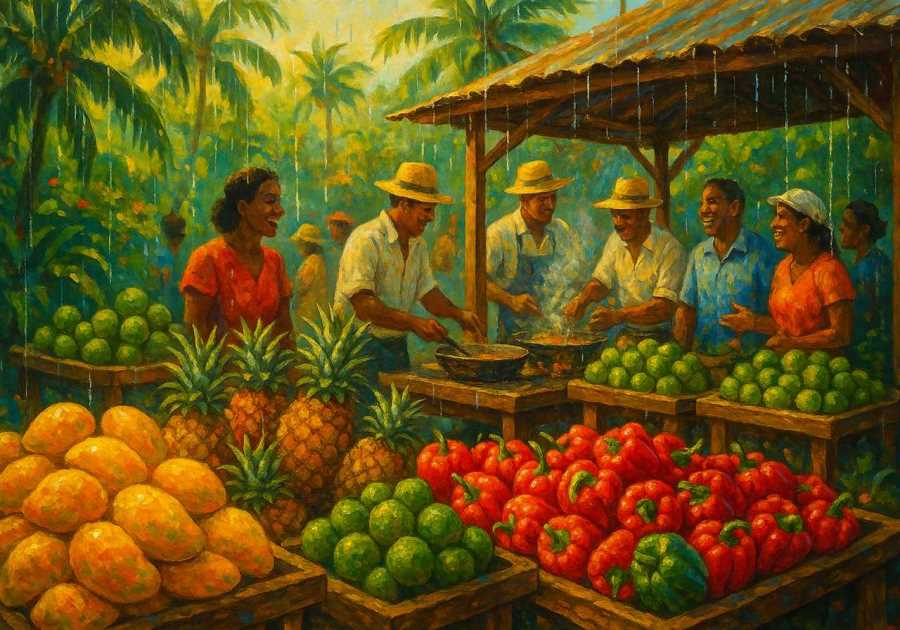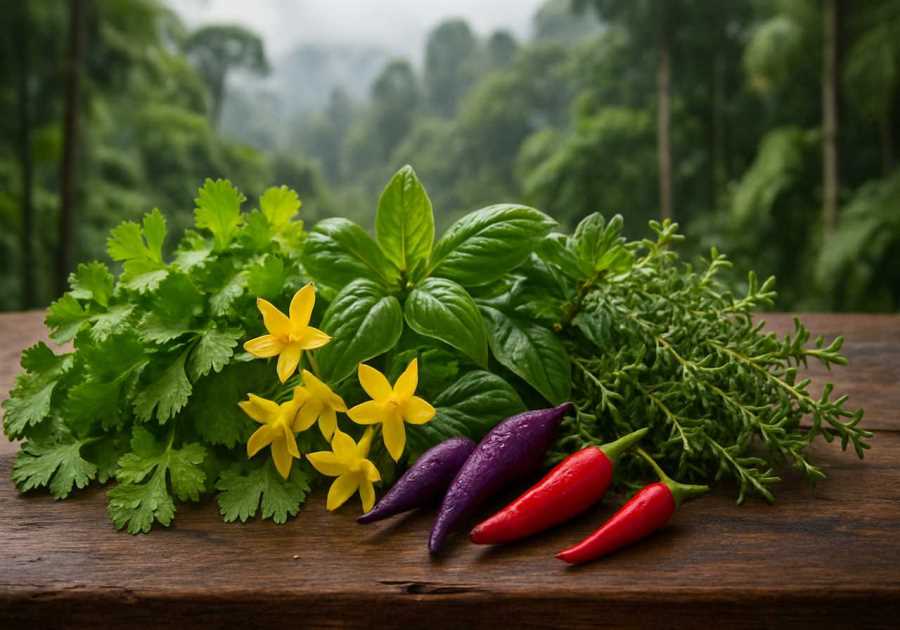
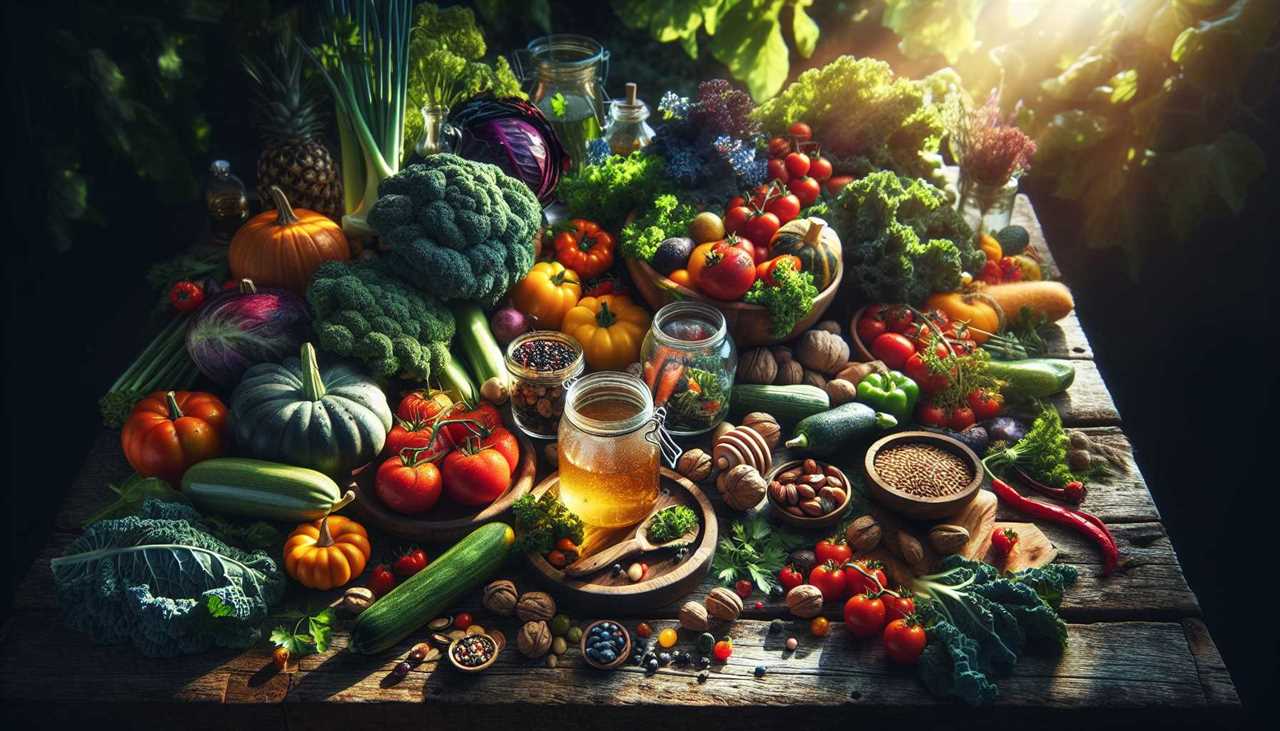
Have you ever considered how a local diet could transform your energy levels and overall health? By embracing seasonal produce from nearby farms, you not only nourish your body but also connect with your food in a meaningful way. This lifestyle encourages variety and supports sustainable practices. But what does it really take to make this shift? Let's explore the essential elements of living off the land and how it can impact your life.
Understanding the Local Diet Concept
Have you ever wondered how a local diet can impact your health? Embracing a local diet means focusing on foods grown in your area, which can lead to fresher, tastier meals.
When you choose local produce, you’re not just supporting your community; you’re also fueling your body with ingredients that are often picked at their peak ripeness. This concept emphasizes seasonal eating, where you adapt your meals based on what's available, ensuring variety and minimizing reliance on processed foods.

You'll likely find that local diets can help reduce your carbon footprint too. By connecting with local farmers and markets, you’re cultivating a relationship with your food, making mealtime more meaningful and healthful.
This simple shift can lead to better overall well-being.
The Nutritional Benefits of Seasonal Foods
Eating seasonally not only enhances your connection to local agriculture but also brings significant nutritional advantages. When you choose seasonal foods, you’re likely consuming produce at its peak ripeness, which means it’s packed with vitamins, minerals, and antioxidants. These nutrients can boost your immune system and improve overall health.

Additionally, seasonal foods often require less processing and fewer preservatives, making them healthier options.
You'll also discover a variety of flavors and textures, keeping your meals exciting and satisfying. Plus, seasonal eating encourages a diverse diet, which is essential for balanced nutrition.
Supporting Local Farmers and Sustainable Practices
While you enjoy the benefits of seasonal foods, supporting local farmers also plays a crucial role in promoting sustainable agricultural practices.
When you choose to buy from local producers, you help reduce the carbon footprint associated with transporting food over long distances. This not only strengthens your community's economy but also fosters biodiversity, as local farms often cultivate a variety of crops.
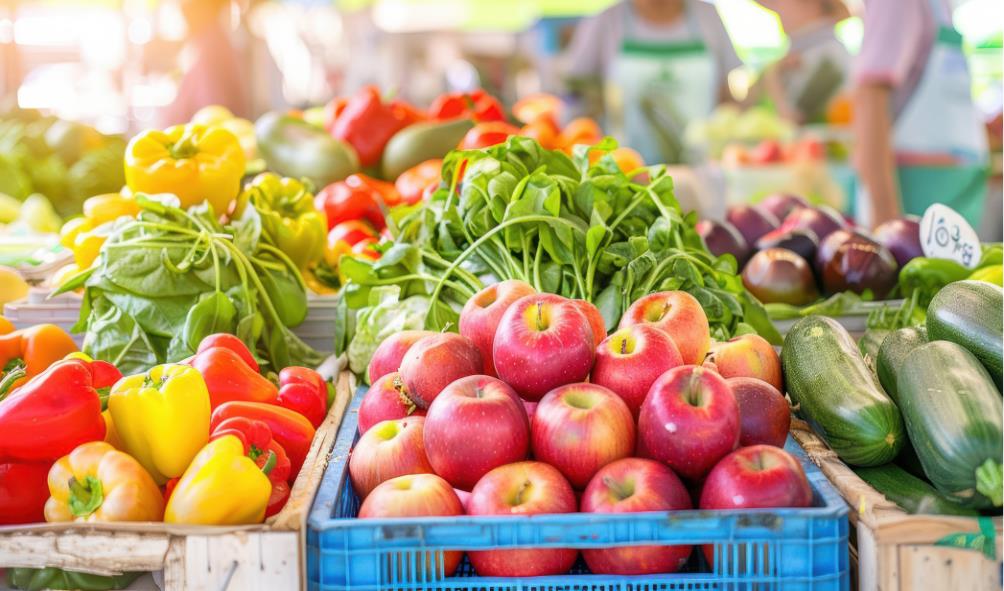
By prioritizing small-scale agriculture, you encourage practices like crop rotation and organic farming, which enhance soil health and reduce chemical use.
Additionally, engaging with local farmers allows you to understand their methods and make informed choices about your food.
Your support for sustainable practices ensures that future generations can continue to enjoy fresh, nutrient-rich produce while caring for the planet.
How to Identify Local Produce
How can you tell if the produce you're buying is truly local? First, check for labels that indicate the source; farmers' markets often display this information prominently.
If you're shopping at a grocery store, look for signs that highlight local produce sections. You can also ask staff where the items come from—most should know.
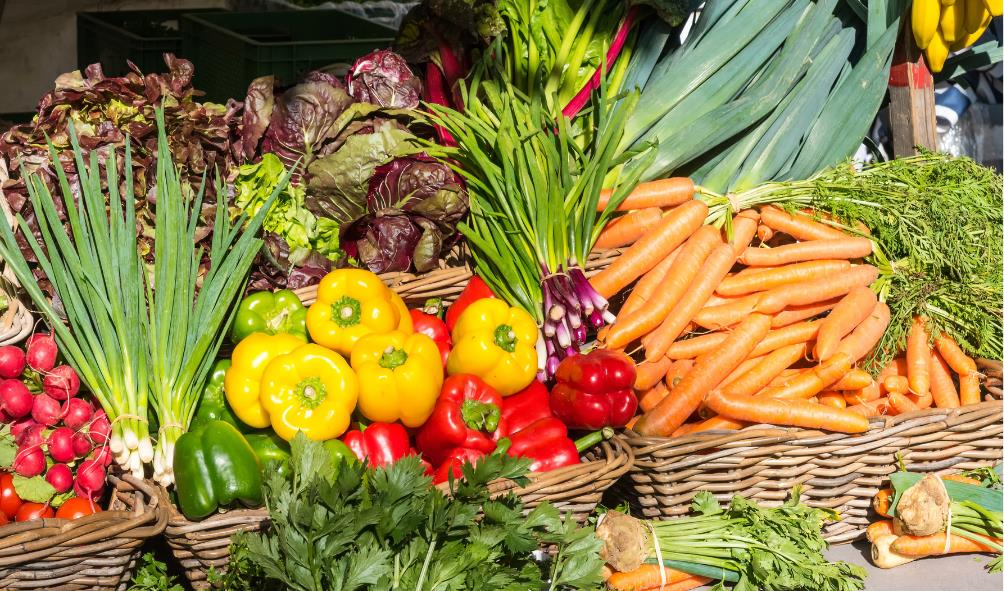
Seasonal produce is a good indicator; if it’s in season in your region, it’s likely local. Additionally, pay attention to the appearance and freshness of the items; local produce typically looks vibrant and hasn’t traveled far.
Lastly, connect with local farmers or join community-supported agriculture (CSA) programs to ensure you're getting the freshest, locally-sourced ingredients.
Easy Ways to Incorporate Local Foods Into Your Meals
Incorporating local foods into your meals can be a delightful and straightforward process. Start by visiting a nearby farmers' market; you'll find fresh fruits and vegetables that are in season.
Next, plan your weekly meals around these local ingredients. Swap out imported produce for local options—think heirloom tomatoes instead of standard ones.

You can also join a community-supported agriculture (CSA) program, which delivers seasonal produce right to your door.
When cooking, try to use local herbs and spices for added flavor. Don’t forget to experiment with local recipes that showcase regional ingredients.
Finally, connect with local food enthusiasts online for inspiration and tips. By doing this, you’ll enhance your meals while supporting local farmers.
The Environmental Impact of Eating Locally
Eating locally not only enhances your meals but also significantly reduces your carbon footprint. By choosing local produce, you’re cutting down on transportation emissions that come from shipping food across long distances. This means less fuel is burned and fewer greenhouse gases are released into the atmosphere.

Additionally, local farms often employ sustainable practices that protect natural resources and promote biodiversity. You’ll find that seasonal foods require fewer resources, as they thrive in their native environments.
When you eat locally, you support agricultural methods that are kinder to the planet. So, not only are you enjoying fresh, flavorful foods, but you’re also making a positive impact on the environment, contributing to a healthier world for future generations.
Building a Community Through Local Food Networks
Local food networks not only enhance sustainability but also foster a sense of community among consumers and producers. When you engage with local farmers and artisans, you build relationships that go beyond mere transactions. You’re not just buying food; you’re supporting your neighbors and local economy.
These connections create a shared understanding of food’s origins and its impact on your health. You can attend farmers’ markets, food co-ops, or community-supported agriculture programs, where you meet like-minded individuals who share your values.

By participating in these networks, you help cultivate a culture centered around fresh, locally-sourced ingredients. In turn, this strengthens community bonds, encourages collaboration, and promotes a healthier lifestyle for everyone involved.
Your choices truly make a difference!
Overcoming Challenges in Accessing Local Food
While many people recognize the benefits of local food, accessing it can pose significant challenges. You might find that local markets are limited in your area, making it tough to get fresh produce regularly.
Seasonal availability can also be a hurdle; certain fruits and vegetables may only be accessible at specific times of the year. Plus, if you’re on a tight budget, local foods can sometimes feel pricier than their mass-produced counterparts.

Transportation can be another issue—if you don’t have a car, getting to markets may be difficult. Overcoming these obstacles often means being resourceful.
Consider joining a local co-op or forming a buying group with friends to share the load and costs. Your commitment to local food can inspire creative solutions!
Recipes to Try With Fresh, Local Ingredients
How can you make the most of the fresh, local ingredients you have on hand? Start with a vibrant salad using mixed greens, sliced radishes, and a simple lemon vinaigrette.
For a hearty dish, try roasting seasonal vegetables like carrots and squash with olive oil and herbs until they’re tender. You can also whip up a quick stir-fry using locally sourced bell peppers, zucchini, and a protein of your choice.

Don’t forget breakfast! Blend fresh fruits into a smoothie, or cook oatmeal topped with nuts and seasonal berries.
Finally, embrace the local harvest by making a vegetable soup, simmering your favorite veggies in broth with spices. These recipes will help you enjoy the flavors of your community while keeping meals healthy and satisfying.
Conclusion
Embracing a local diet not only keeps you lean and energized but also connects you to your food and community. By choosing seasonal, locally-grown produce, you nourish your body while supporting sustainable practices and local farmers. You’ll discover the joy of fresh flavors and the benefits of diverse meals. So, dive into your local food scene, experiment with new recipes, and enjoy the vibrant, nutrient-rich ingredients that nature has to offer. Your body and soul will thank you
External Links
- Read about the connection between traditional diets and modern health benefits at Traditional Nutrition.
- Learn how seasonal eating can optimize your metabolism and maintain a lean body at Seasonal Eating.
- Explore sustainable eating practices that support both your health and the environment on EatingWell.
- Discover how the Mediterranean diet promotes a lean physique and sustained energy through local, whole foods. Learn more.
How To Increase Energy Levels through Local Nutrition
Opt for a diet rich in locally sourced whole foods that provide sustained energy throughout the day. Incorporate complex carbohydrates, such as whole grains, alongside proteins and healthy fats to maintain stable blood sugar levels. Regularly include fresh fruits and vegetables to supply essential vitamins and minerals that support metabolic functions and energy production.
Experience the Harmony of Panamanian Cuisine
Panamanian meals embody a perfect balance of flavors and nutrients, reflecting a deep connection with nature. By choosing ingredients sourced directly from the land—such as root vegetables, fresh herbs, and sustainably caught seafood—you nourish your body and support a wholesome lifestyle. This harmonious approach to eating ensures you stay energized and fit without the need for extreme diets. Learn more about this lifestyle at www.escapetopanamanow.com.