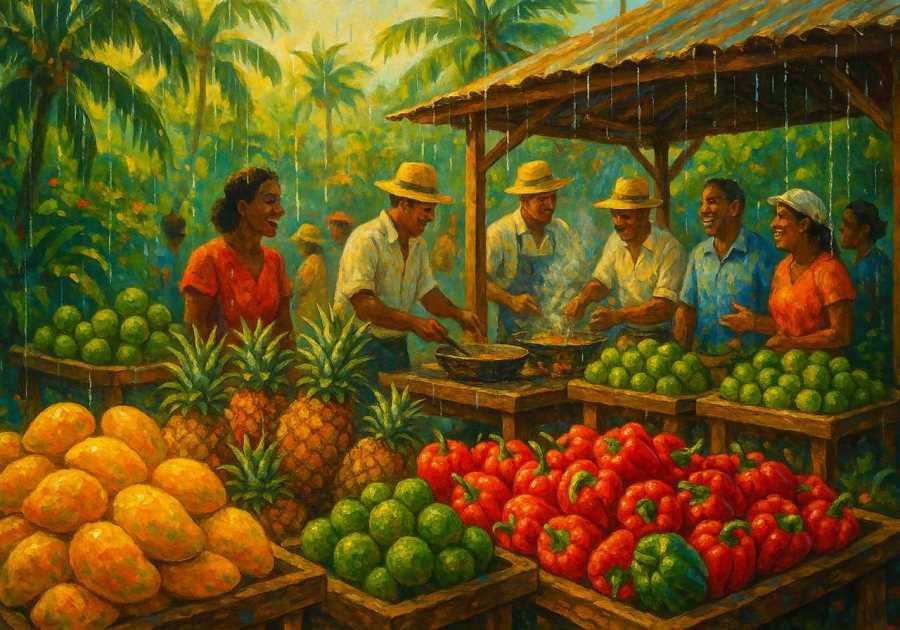
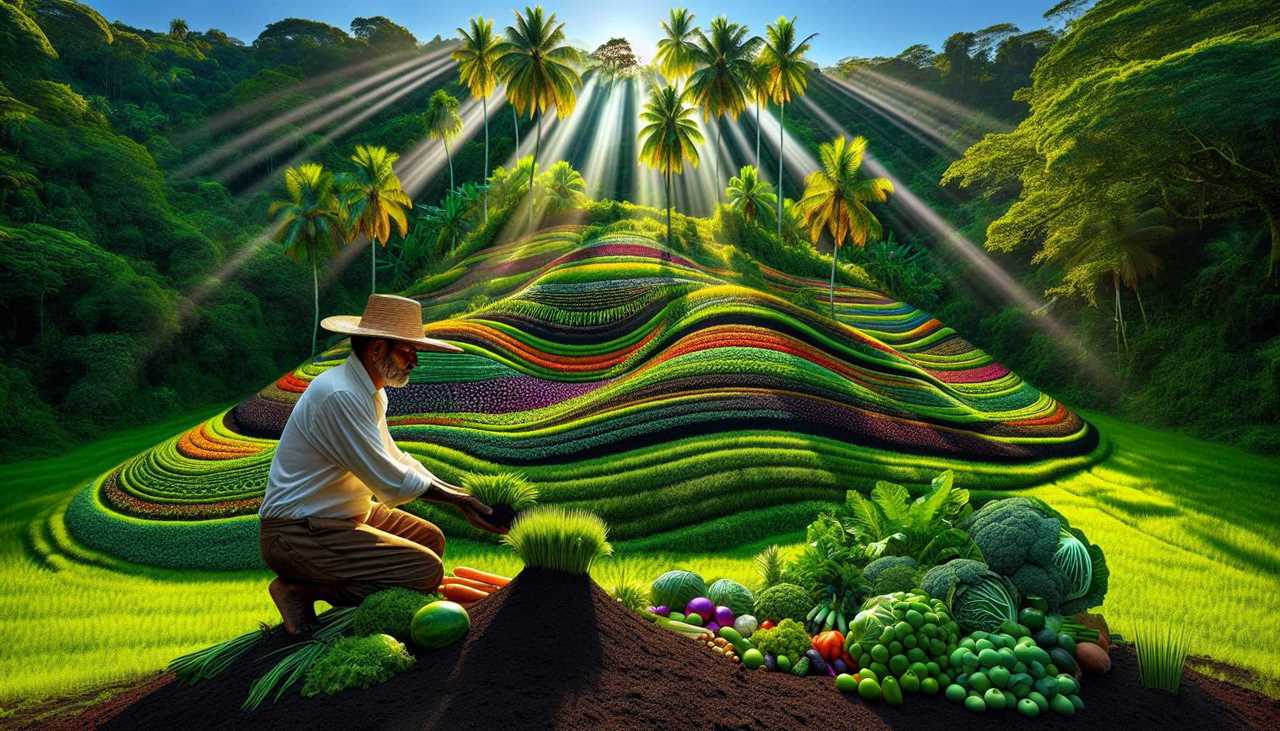
As you explore the nourishing farms of Panama, you’ll uncover a rich agricultural heritage that shapes the landscape and community. Local farmers use sustainable practices that not only enhance soil health but also preserve biodiversity. Each crop tells a story, connecting past traditions with modern techniques. What drives this deep connection to the land? The answer lies in the intricate relationships formed within these farming communities. Discover how this journey unfolds.
The Rich Agricultural Heritage of Panama
When you explore the farms of Panama, you'll uncover a rich agricultural heritage that has thrived for centuries. The lush landscapes, diverse climates, and fertile soils have fostered a variety of crops, from coffee and cacao to tropical fruits.
Each farm tells a story, reflecting the traditions and practices of generations who’ve cultivated the land. You'll see how indigenous methods blend with modern techniques, creating a unique tapestry of farming.
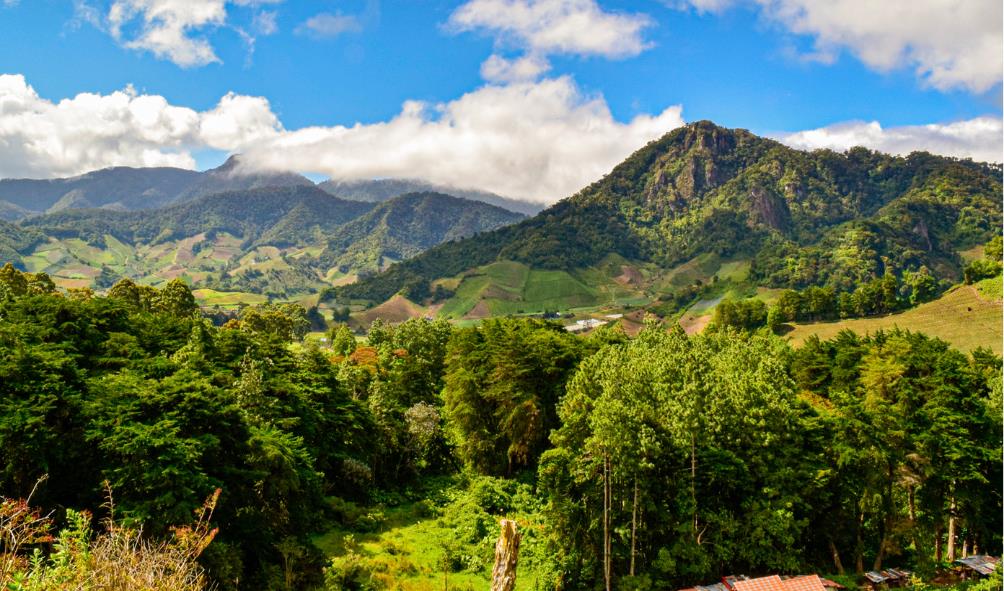
As you wander through the fields, you’ll discover the passion of local farmers who are deeply connected to their land. Their commitment not only sustains their families but also preserves a cultural legacy that’s integral to Panama’s identity.
You’ll leave with a deeper appreciation for this vibrant agricultural community.
Sustainable Farming Practices in Action
As you delve into the farms of Panama, you'll see sustainable farming practices thriving alongside traditional methods.
Farmers here embrace crop rotation and intercropping, promoting soil health and biodiversity. You'll notice how they utilize organic fertilizers and natural pest control, reducing reliance on harmful chemicals.
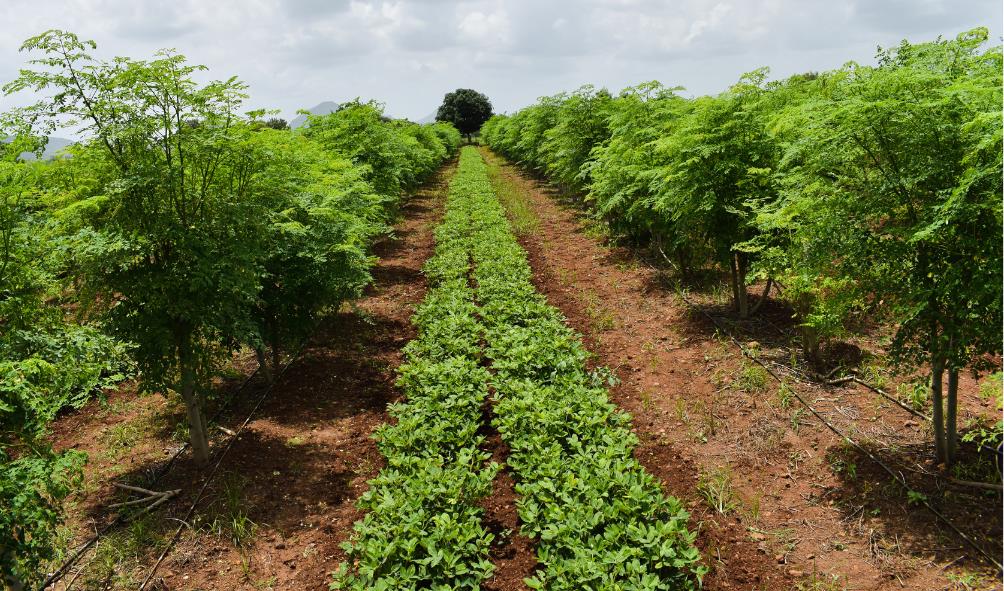
Many farmers practice agroforestry, integrating trees with crops to enhance the ecosystem. Water conservation techniques, like drip irrigation, are also common, ensuring efficient use of resources.
By incorporating these practices, they not only protect the environment but also improve crop yields. You'll feel the connection between the land and the community, as local markets flourish with fresh, sustainably grown produce.
It’s a harmonious balance that nurtures both the earth and the people.
Highlighting Panama’s Diverse Crops
Panama's diverse crops reflect its rich agricultural heritage and unique climate. You’ll find an incredible variety of produce, from vibrant tropical fruits like mangoes and papayas to staple grains such as rice and corn.
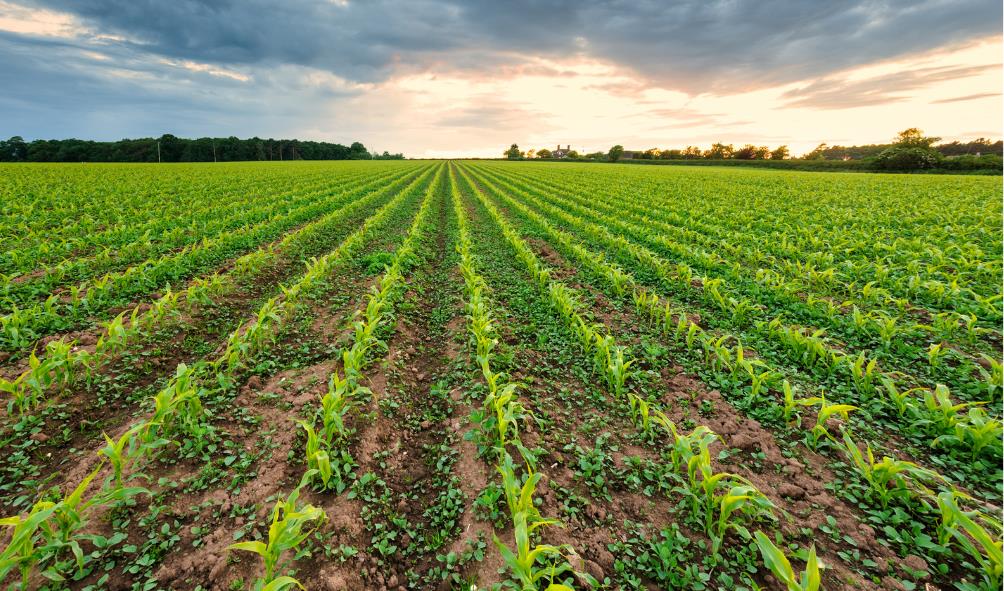
Coffee, one of Panama’s prized exports, thrives in the highlands, offering a distinct flavor profile that coffee lovers adore. You can also explore the lush fields of cacao, where chocolate begins its journey.
Vegetables like tomatoes and peppers flourish in the fertile soil, providing fresh ingredients for local dishes. As you wander through the markets, you'll notice how these crops not only nourish the body but also connect you to the land and its traditions, showcasing the beauty of Panama’s agricultural diversity.
The Role of Community in Agriculture
While agriculture thrives on individual effort, the community plays an essential role in shaping Panama's farming landscape.
You’ll find that local farmers often band together, sharing resources, knowledge, and labor. This collaboration fosters resilience, allowing you to adapt to challenges like climate change and market fluctuations.
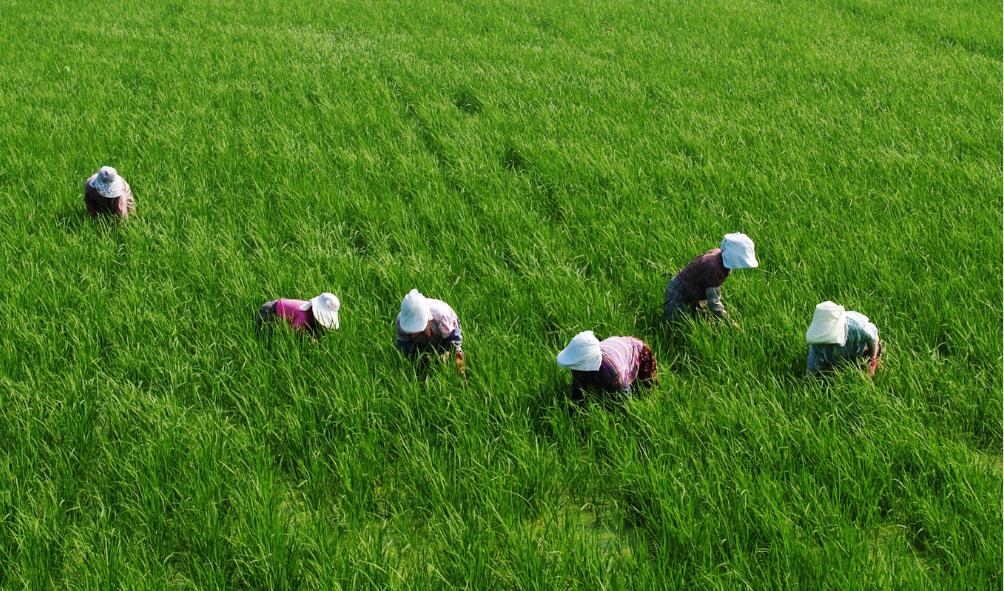
Community gatherings, such as farmers’ markets and workshops, create opportunities for learning and networking. Here, you can exchange ideas and best practices, enriching your own farming methods.
The sense of belonging not only strengthens bonds but also enhances local food systems. As you engage with your community, you contribute to a sustainable agricultural future, ensuring that the rich traditions of Panama continue to thrive for generations to come.
Traditional Farming Techniques and Their Impact
Community ties often lead to the preservation of traditional farming techniques that have been passed down through generations.
You’ll see how these methods, like crop rotation and intercropping, enhance soil fertility and biodiversity. By using local seeds and natural fertilizers, farmers maintain ecosystems while producing nutritious food.
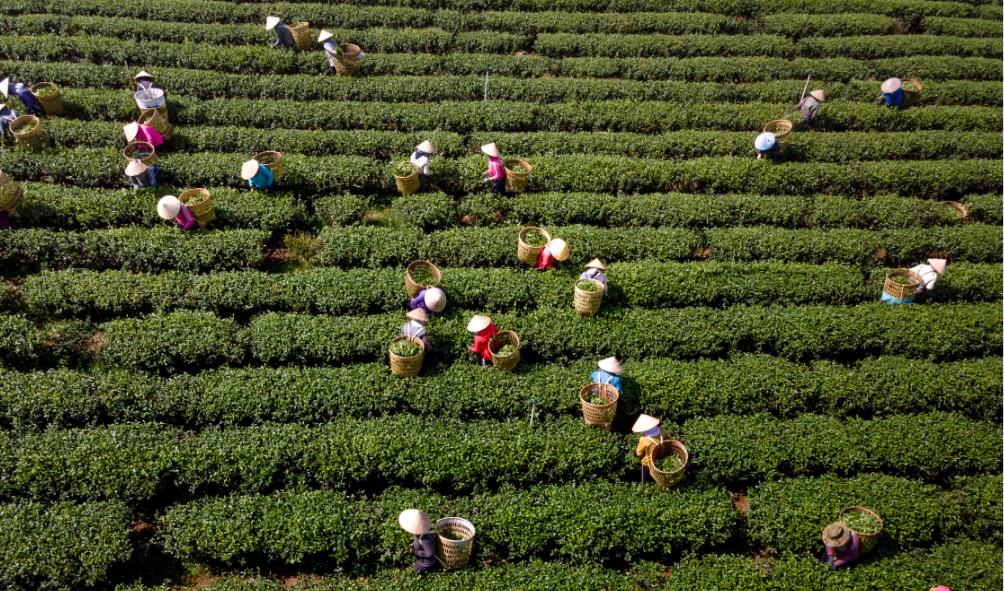
These techniques not only sustain the land but also strengthen community bonds, as knowledge is shared among families. When you engage with local farmers, you’ll notice their deep respect for the earth and its cycles.
This connection fosters resilience against climate change, ensuring future generations can thrive. Embracing these traditions enriches your understanding of sustainable agriculture and highlights the importance of local practices in preserving the environment.
The Journey From Farm to Table
Understanding the journey from farm to table reveals how deeply interconnected our food systems are. When you savor a meal, you’re not just enjoying flavors; you’re experiencing the hard work of farmers, the richness of the soil, and the care involved in nurturing crops.
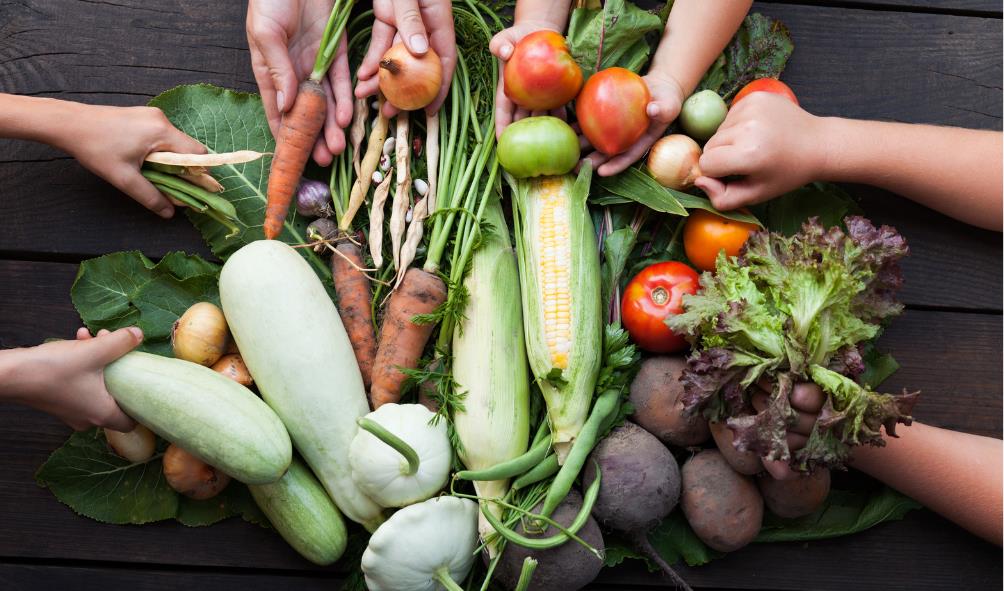
In Panama, this journey starts with sustainable farming practices that respect the land. Fresh produce travels from local farms to markets, where you can pick it up, knowing it’s been harvested at its peak.
After that, you might cook it for your family or share it with friends, turning it into a meal that nourishes both body and soul. Every bite connects you to the land and the people who cultivate it.
Conclusion
In exploring the nourishing farms of Panama, you’ve seen how vibrant traditions and sustainable practices come together. These farmers don’t just grow crops; they cultivate community and resilience, ensuring their cultural legacy thrives. By embracing this deep connection to the land, you’re reminded of the importance of supporting local agriculture. Each bite of Panama’s diverse offerings is a taste of their rich heritage, fostering a sustainable future for generations to come
Statistics
- Over 60% of Panamanian farms have adopted sustainable farming practices in the past five years.
- Soil health index scores in Panamanian farms have improved by 18% due to integrated soil management techniques.
- The use of renewable energy sources on farms has risen to cover 35% of agricultural energy needs in Panama.
- Panama exports over 150,000 metric tons of coffee annually, making it one of the top contributors to the global coffee market.
External Links
- Panama Coffee Association - Details Panama's coffee export sector and its role in the global market.
- Soil Health Panama - Focuses on initiatives to improve soil quality through integrated management techniques.
- FAO - Panama Agriculture Overview - Provides comprehensive information on Panama's agricultural practices and economic impact.
- Agroindustrial Panama - Explores Panama's agricultural industries and sustainable farming methods.
How To Integrate Renewable Energy Sources in Agriculture
Integrating renewable energy into Panamanian farms can enhance sustainability and reduce operational costs. Begin by assessing your farm’s energy needs and potential renewable sources available locally, such as solar or wind power. Installing solar panels can provide a reliable energy supply for irrigation systems, lighting, and machinery. Wind turbines may be suitable for farms in breezy regions, offering an additional power source. Additionally, consider biogas systems that utilize agricultural waste to generate energy, promoting waste reduction and energy independence. Partnering with renewable energy providers can facilitate the installation process and ensure optimal system performance. Embracing renewable energy contributes to a greener farm and a healthier environment.
Support Panama’s Sustainable Farming Practices
Take a stand for the environment by supporting Panama’s sustainable agriculture. Farmers here prioritize methods that maintain healthy soil and protect natural resources, ensuring long-term productivity and ecological balance. Your support contributes to a greener future and a robust local economy. Learn how you can make a difference at www.escapetopanamanow.com.