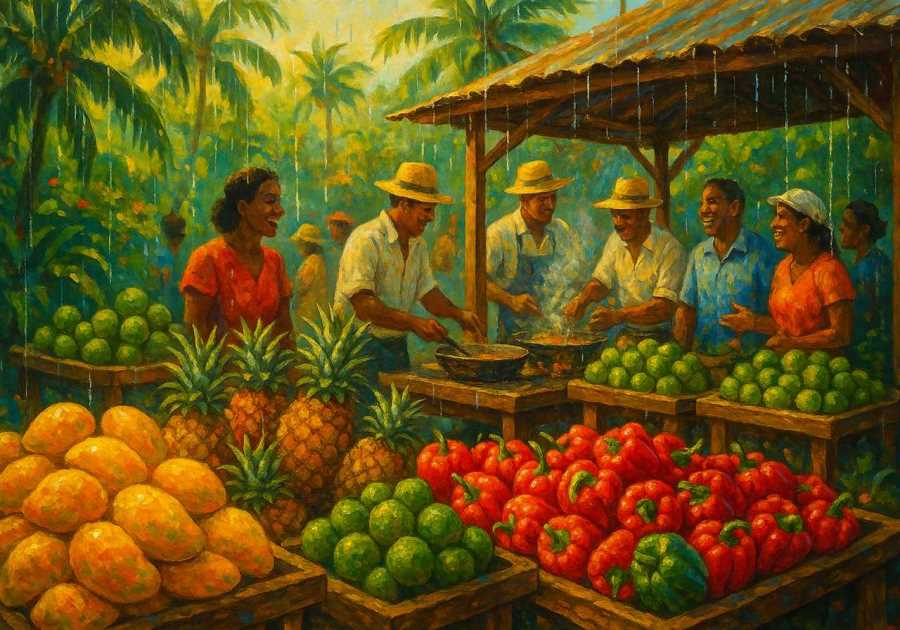
When you think of Panama, you might picture its stunning landscapes, but its food culture deserves just as much attention. From plantains to pescado, the flavors are a reflection of its diverse heritage. You'll find indigenous, Spanish, and African influences blending seamlessly on the plate. But what makes these dishes truly special is the stories behind them and the community that shares them. There's much more to uncover about this vibrant culinary scene.
The Roots of Panamanian Cuisine
While exploring Panama’s diverse food culture, you'll quickly discover that its cuisine is a rich tapestry woven from indigenous, Spanish, and African influences. Each group has contributed unique flavors and techniques that shape what you eat today.
Indigenous peoples introduced staples like maize and yucca, while Spanish colonizers brought new ingredients such as rice and various meats. African influence is evident in the use of spices and cooking methods, especially in dishes like sancocho, a hearty chicken soup.
As you dive into local markets and restaurants, you'll taste this blend in every bite. Whether it's a street vendor's empanadas or a family meal of arroz con pollo, you'll find that each dish tells a story of Panama's vibrant history and cultural fusion.
Essential Ingredients in Panamanian Cooking
Essential ingredients play a crucial role in defining Panamanian cooking, creating flavors that reflect the country's cultural heritage.
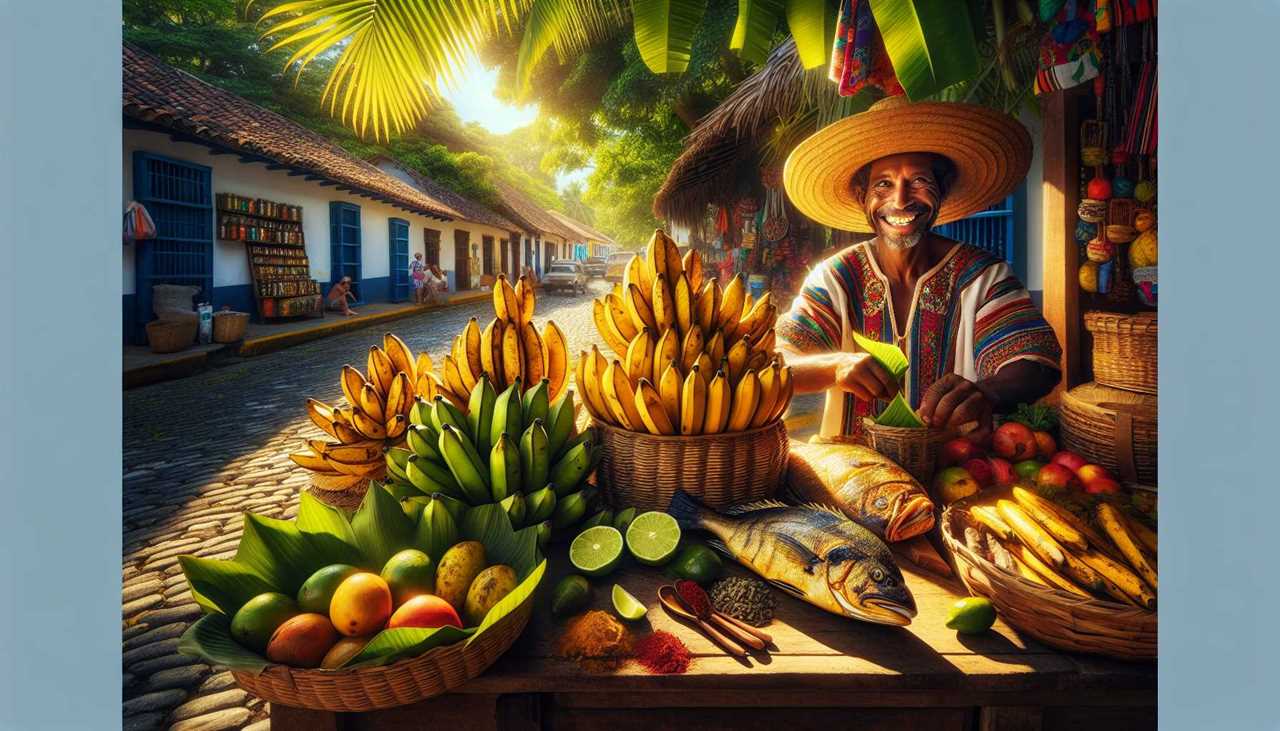
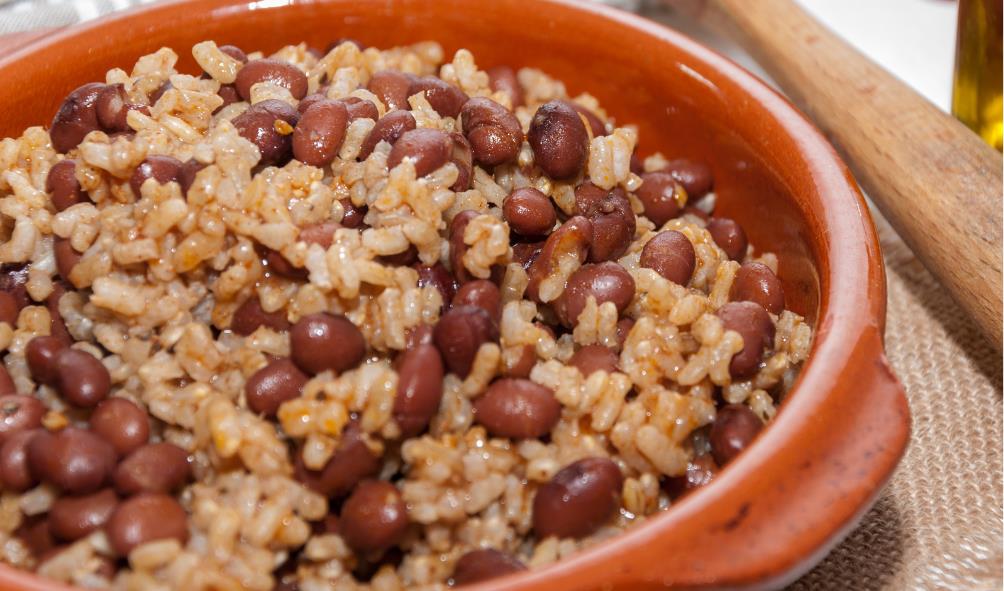
At the heart of many dishes, you’ll find staples like rice and beans, providing a nutritious base. Corn is another essential, often transformed into tortillas or used in stews. You can't overlook plantains, either; whether fried or boiled, they add a sweet, comforting touch.
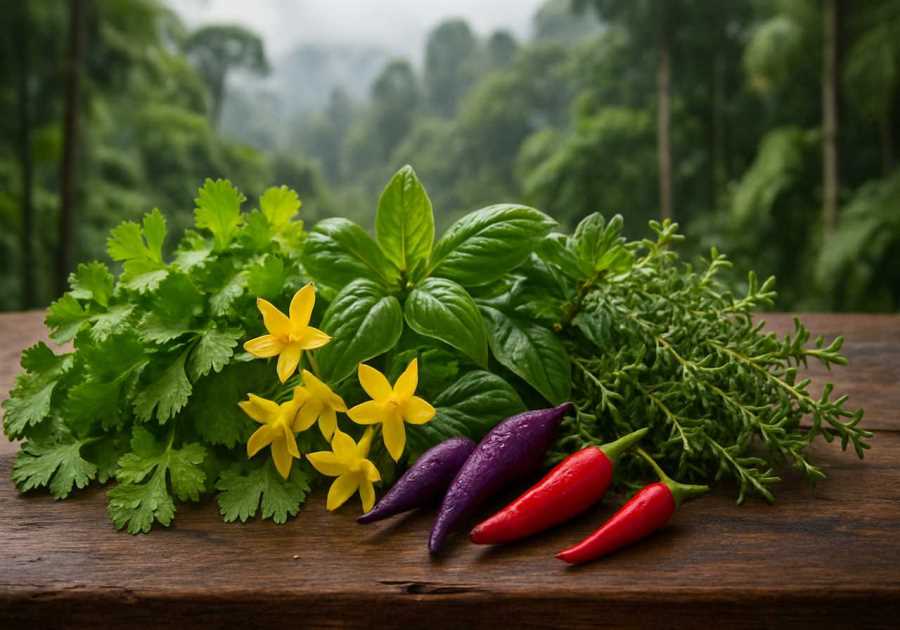
Fresh seafood, thanks to Panama’s coastal access, is vital, enhancing meals with the ocean's bounty. Herbs and spices, such as cilantro and achiote, are key for seasoning, bringing vibrant flavors to life.
Lastly, the use of coconut in various dishes adds richness and depth, making every bite a representation of Panama’s diverse food culture.
Traditional Dishes to Savor
When you explore Panama’s culinary landscape, you'll encounter a variety of traditional dishes that reflect the country’s rich heritage.
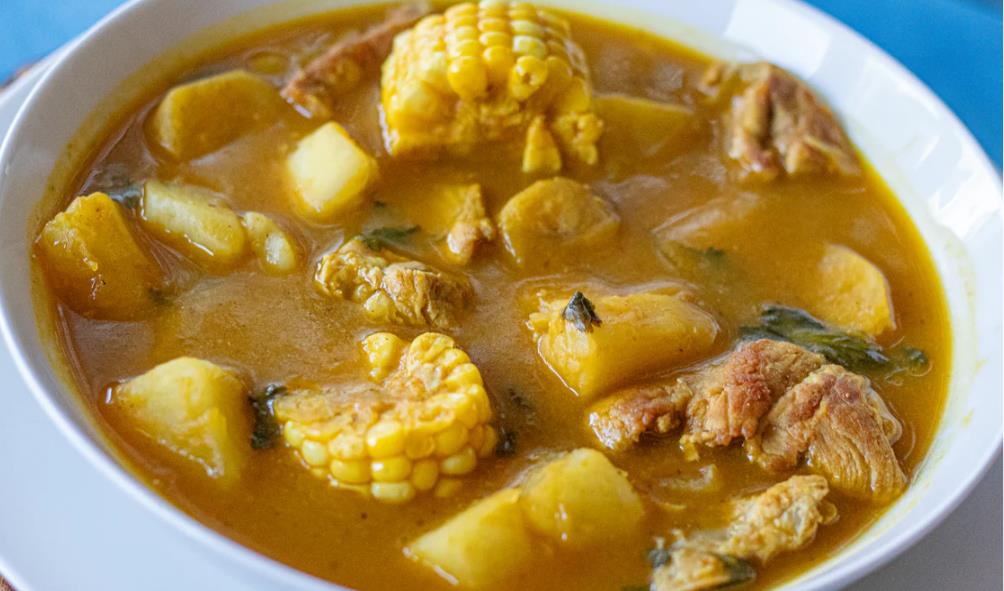
One must-try dish is sancocho, a hearty chicken soup simmered with yucca, corn, and spices, perfect for a comforting meal.
You'll also love arroz con pollo, a flavorful rice and chicken dish infused with saffron and vegetables.
Don't miss out on patacones—crispy fried plantains served as a tasty side or snack.
If you're in the mood for seafood, ceviche is a refreshing choice, typically made with fresh fish marinated in lime juice and mixed with onions and cilantro.
Each bite of these dishes offers a taste of Panama’s vibrant culture and traditions, making your culinary journey truly unforgettable.
The Influence of Indigenous Cultures
Panama’s culinary scene is significantly shaped by its indigenous cultures, which have contributed a wealth of flavors and cooking techniques.
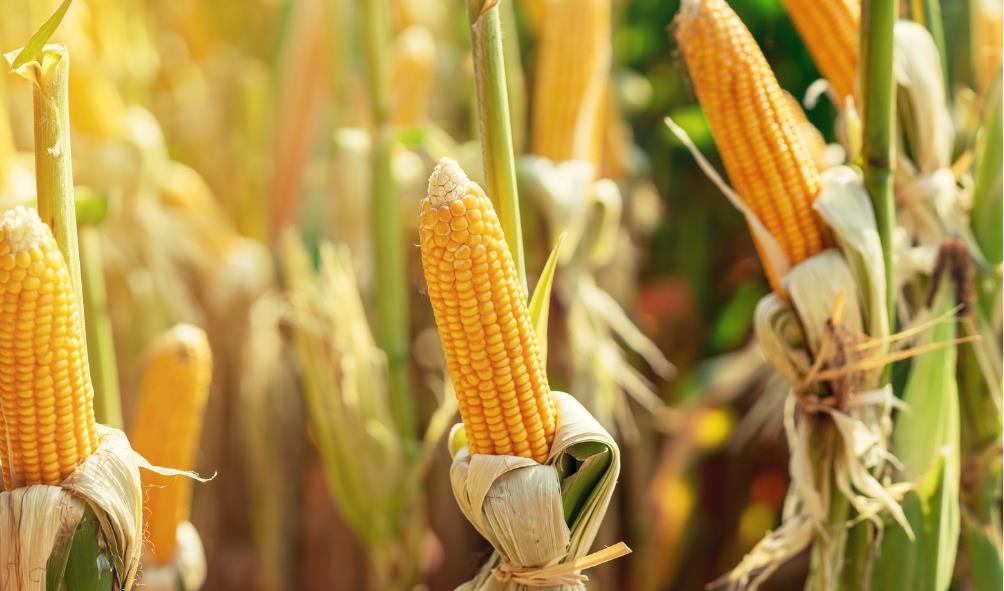
When you explore traditional dishes, you’ll notice the use of local ingredients like corn, cassava, and diverse herbs. These staples form the foundation of many meals, reflecting the deep connection between the land and its people.
You’ll also find cooking methods that emphasize simplicity and natural flavors, such as steaming and grilling over open flames.
Indigenous communities often share their food traditions, showcasing dishes like sancocho, a hearty chicken soup rich in flavor.
African Flavors and Techniques
African culinary influences play a vital role in shaping Panama's food culture, bringing unique flavors and techniques to the table.
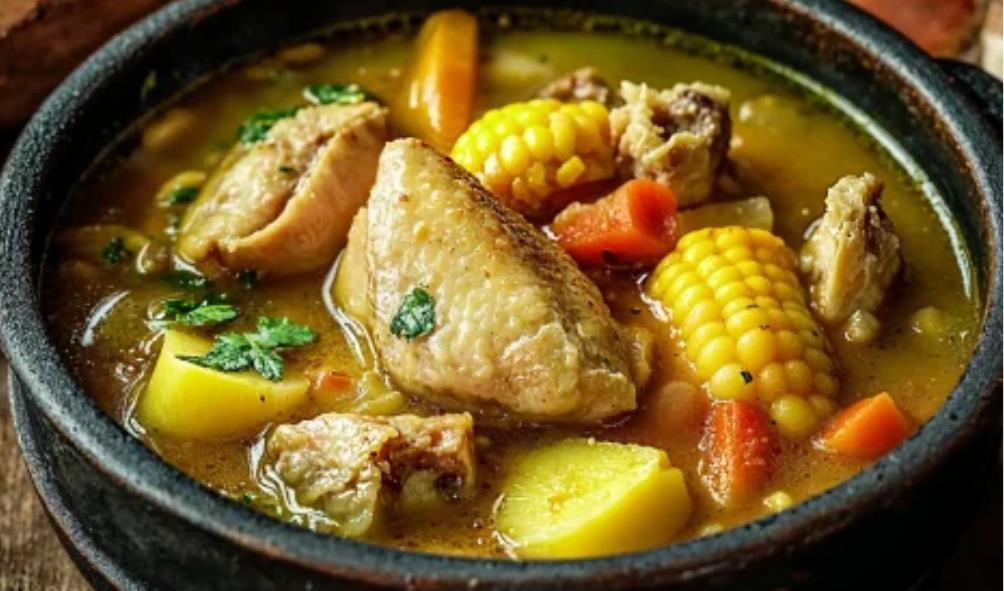
You'll notice the richness of dishes like sancocho, a hearty chicken soup enriched with spices and herbs rooted in African traditions. Street vendors often serve fried plantains, a nod to the African method of cooking with simple, fresh ingredients.
The use of okra and black-eyed peas reflects West African culinary practices, adding a distinct texture and taste to local dishes. Techniques such as slow-cooking and smoking meats also showcase this influence, resulting in deep, savory flavors.
Spanish Culinary Heritage
Building on the rich tapestry of influences in Panamanian cuisine, Spanish culinary heritage brings a significant depth and character.
When you explore Panamanian dishes, you'll notice the vibrant use of spices and ingredients rooted in Spanish traditions. Think of saffron-infused rice or hearty stews that highlight the melding of flavors.

The Spanish introduced essential cooking techniques, like slow-cooking and sautéing, which have become staples in local kitchens. You’ll also find their influence in the use of olives, garlic, and tomatoes, which enhance the taste of various meals.
Tapas-style dining reflects this heritage, inviting you to share small plates with friends and family, creating a communal experience that resonates throughout Panama’s food culture.
Embrace the fusion of flavors and enjoy!
Seafood and Coastal Specialties
While exploring the coastal regions, you’ll discover that seafood is a cornerstone of Panamanian cuisine, reflecting the country’s rich maritime resources.
Fresh catches like ceviche, made from shrimp, octopus, or fish, are a must-try. You’ll savor the zesty flavors as they mingle with lime, onions, and cilantro.
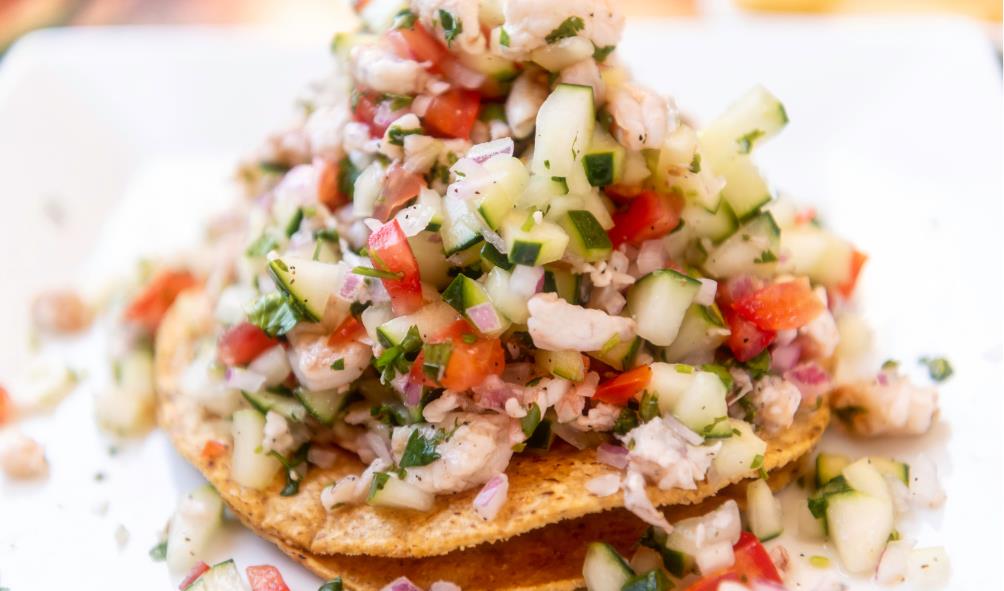
Don’t miss the iconic sancocho, a savory chicken soup often enriched with fish. For the adventurous, indulge in grilled whole snapper, typically served with rice and doused in a tangy sauce.
Local fishermen often sell their catches right on the beach, ensuring you enjoy the freshest seafood possible. Each dish tells a story, connecting you to the vibrant culture of Panama’s coastal communities and their deep-rooted love for the ocean.
The Role of Community in Food Traditions
In Panama, food traditions thrive within the heart of communities, where shared meals and recipes pass down through generations.
You'll find that gatherings are often centered around the kitchen, where families come together to cook traditional dishes. Each recipe carries stories and memories, connecting you with your roots.
It’s not just about the food; it’s about the bonds formed over a steaming pot of sancocho or a plate of tamales. Neighbors often pitch in, creating a sense of unity as they prepare feasts for celebrations or everyday meals.
Sustainable Practices in Panamanian Agriculture
As you explore Panama's agricultural landscape, you'll discover a commitment to sustainable practices that not only protect the environment but also support local communities.
Farmers often employ agroecology, blending traditional techniques with modern approaches to enhance biodiversity and soil health. You'll notice many small-scale farmers using organic methods, avoiding harmful pesticides, and promoting crop rotation to maintain nutrient-rich soil.

Additionally, community-supported agriculture (CSA) initiatives foster direct relationships between consumers and producers, ensuring fresh, local food while reducing carbon footprints.
Sustainable practices extend to water management, where rainwater harvesting and efficient irrigation techniques are common. By choosing to support these practices, you're contributing to a resilient food system that nurtures both the land and the people who depend on it.
Conclusion
Exploring Panama’s food culture immerses you in a vibrant blend of flavors and traditions. From the hearty sancocho to fresh ceviche, each dish tells a story of the country’s rich heritage. You’ll appreciate how indigenous, Spanish, and African influences come together to create unique culinary experiences. As you share these meals with loved ones, you’ll feel the warmth of community and the commitment to sustainability that defines Panamanian cooking. Dive in and savor every bite!
Statistics
- Traditional street food vendors, prominently featuring plantain-based snacks, represent 25% of Panama's culinary establishments.
- The plantain industry employs around 15,000 people across farming and processing sectors in Panama.
- Over 60% of Panamanian homes incorporate traditional recipes using corn and rice as essential ingredients.
- Seafood dishes make up 35% of restaurant menus in Panama City, reflecting the country's coastal influences.
External Links
- SeafoodSource - Panama Seafood Industry Gain insights into Panama's thriving seafood sector and its impact on the economy.
- Central America Market - Panama Food Culture Learn about the staple foods and popular recipes that are integral to Panamanian daily life.
- Saveur - Panamanian Recipes Find authentic recipes to recreate traditional Panamanian dishes at home.
- Food & Wine - Best Panamanian Dishes A guide to the must-try dishes that showcase the best of Panama's culinary landscape.
How To Select Fresh Seafood in Panama
Choosing fresh seafood is essential for authentic Panamanian dishes. Visit local fish markets early in the morning when the catch is freshest. Look for clear, shiny eyes in fish, which indicate freshness. The gills should be bright red or pink, and the flesh should be firm and resilient. Smell the seafood; it should have a clean, briny scent without any strong odors. When selecting shellfish like shrimp or crab, ensure they are stored properly on ice and appear moist. Sustainable practices are also important; inquire about the source of the seafood to support responsible fishing. By following these steps, you can ensure that the seafood you select is fresh and of high quality, enhancing the taste and nutritional value of your Panamanian meals.
Support Your Health with Every Bite
Every meal in Panama’s culinary landscape is crafted to support your health and well-being. By focusing on whole, natural ingredients and traditional cooking methods, Panamanian dishes provide balanced nutrition without compromising on flavor. Foods like grilled pescado and plantain-based dishes offer essential nutrients that help maintain energy levels and overall health. Making Panamanian cuisine a part of your diet means choosing meals that are both delicious and beneficial for your body. Take a step towards healthier eating habits by exploring the wholesome options available. Learn more about how Panamanian food can enhance your health at escapetopanamanow.com.