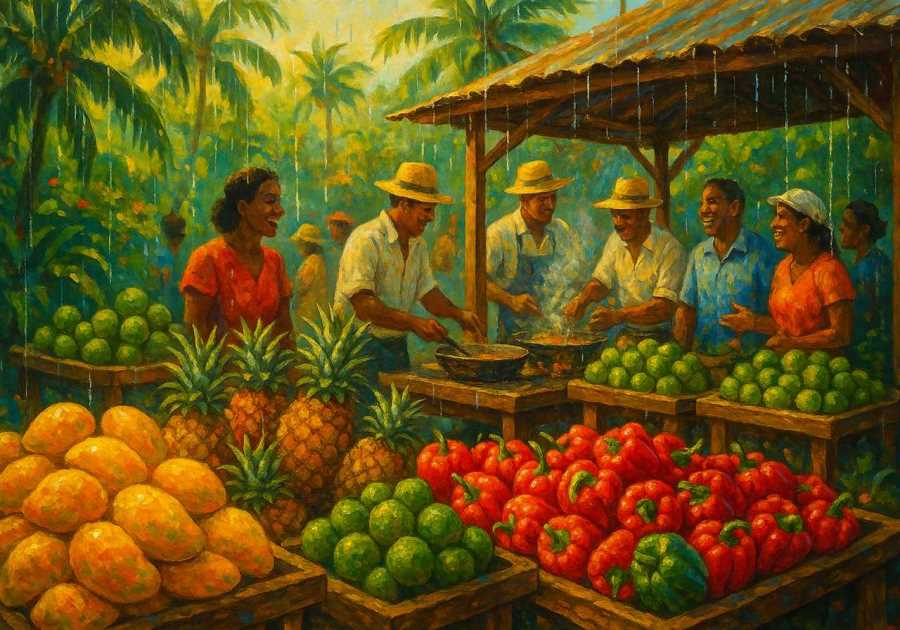
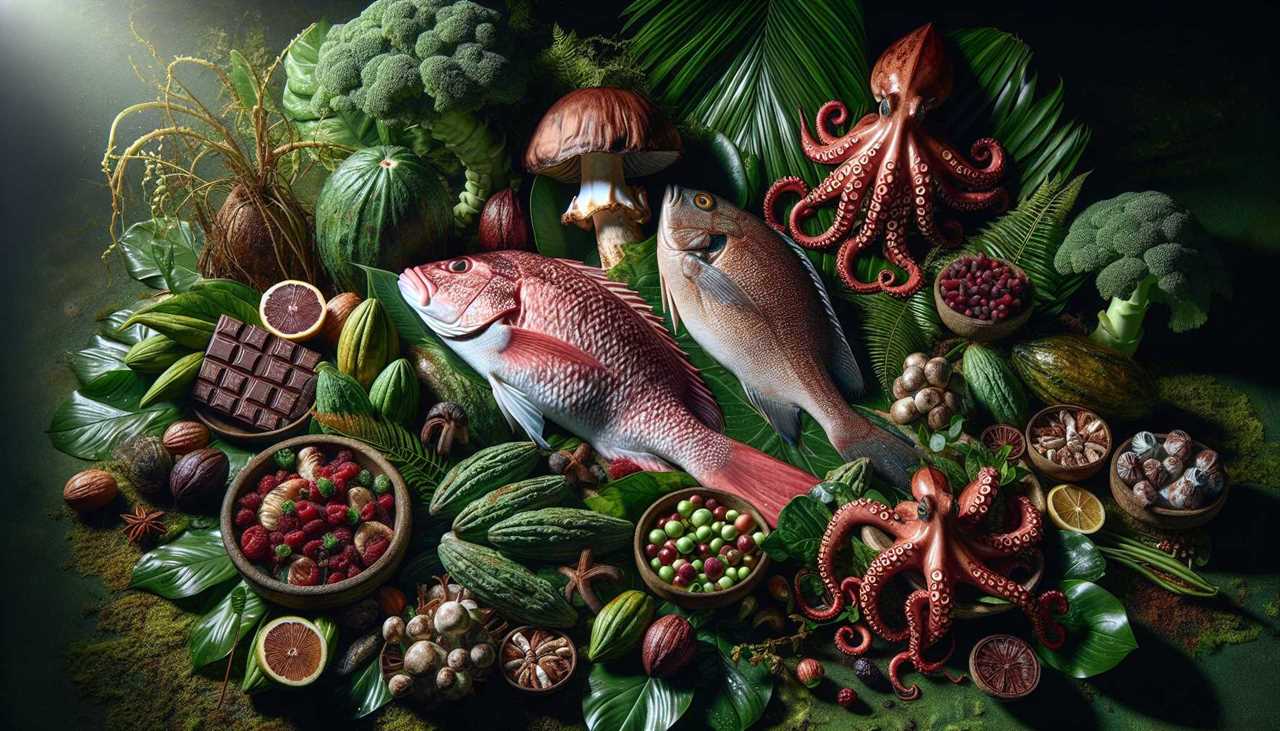
When you think of Panama's culinary heritage, picture a rich blend of flavors from both land and sea. The forests brim with unique fruits and nuts, while the coastal waters offer fresh seafood that defines local dishes. Indigenous ingredients like corn and cassava play a crucial role in this cuisine, reflecting centuries of tradition. But what about the modern practices that keep these flavors alive? Let's explore how these elements come together to create Panama's distinctive food culture.
The Bounty of Panama's Forests
As you wander through Panama's lush forests, you’ll discover a bounty that’s both vibrant and diverse. The rich flora offers an array of edible treasures, from wild fruits like guanabana and papaya to nuts such as cashews and Brazil nuts.
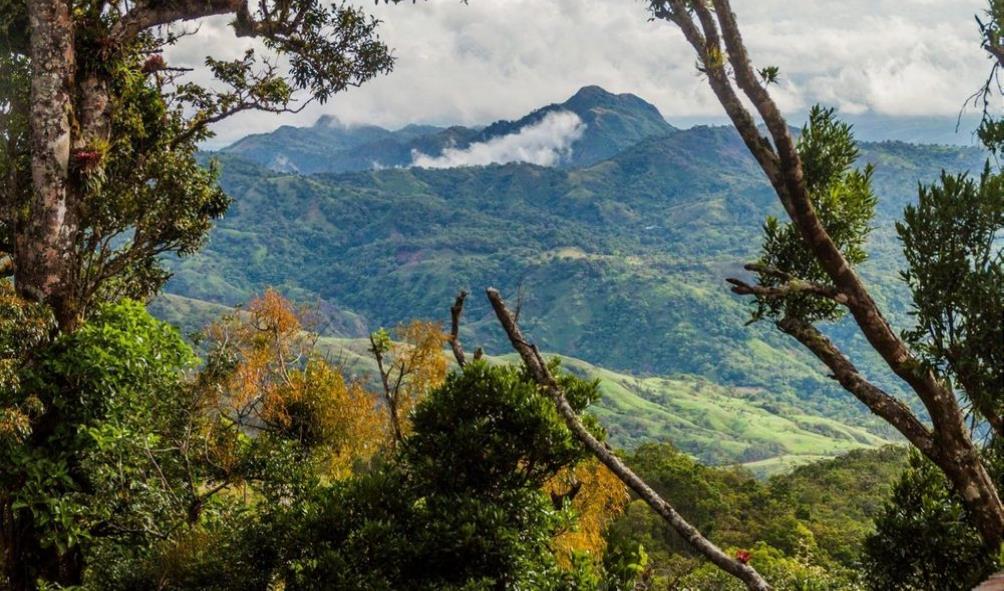
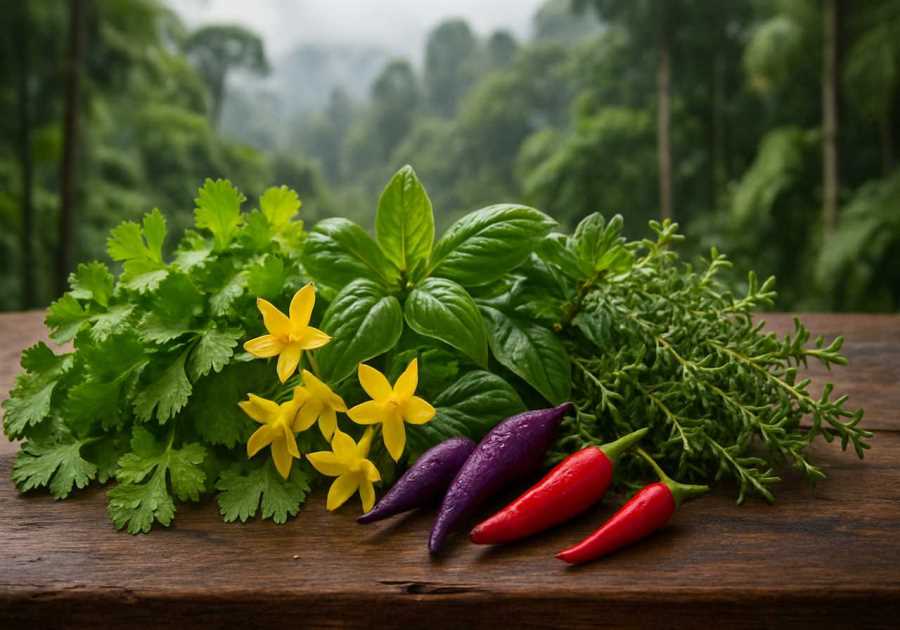
You'll also encounter various herbs and spices, including cilantro and wild ginger, which add depth to local dishes. Foraging in these verdant surroundings, you might stumble upon mushrooms and tubers that are essential in traditional recipes.
The indigenous communities skillfully incorporate these ingredients, showcasing their deep connection to the land. By experiencing the forest's offerings, you’ll gain a deeper appreciation for Panama’s culinary heritage, where each ingredient tells a story of the vibrant ecosystem that sustains it.
Coastal Delicacies: A Taste of the Sea
What treasures await you beneath the waves of Panama’s coast? Dive into a world of coastal delicacies that will tantalize your taste buds. Freshly caught fish, succulent shrimp, and tender octopus are just the beginning.
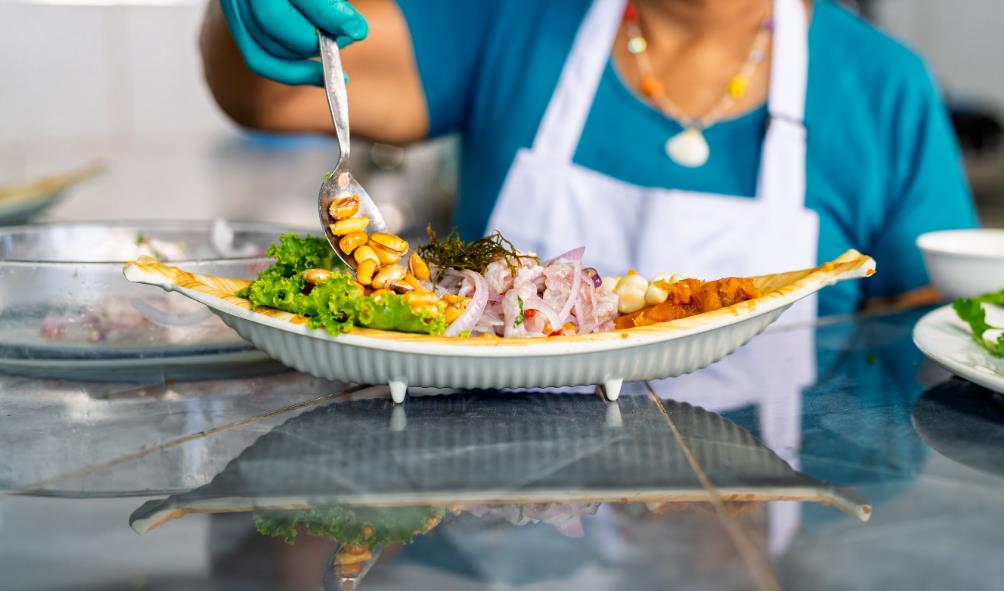
You’ll savor the rich flavors of ceviche, marinated in zesty lime and mixed with vibrant onions and cilantro. Don’t miss out on the hearty seafood stews, filled with a medley of local catches and spices that reflect Panama's culinary diversity.
Try the grilled fish, seasoned to perfection and served with a side of coconut rice. Each bite transports you to the shores of the Caribbean, where the ocean’s bounty is celebrated daily. So, grab a plate and indulge in these coastal delights!
Indigenous Influences on Panamanian Cuisine
While exploring Panamanian cuisine, you'll discover that indigenous influences play a vital role in shaping the country's rich culinary landscape. The diverse indigenous groups, like the Ngäbe-Buglé and Kuna, have contributed unique ingredients and cooking techniques that define local dishes.
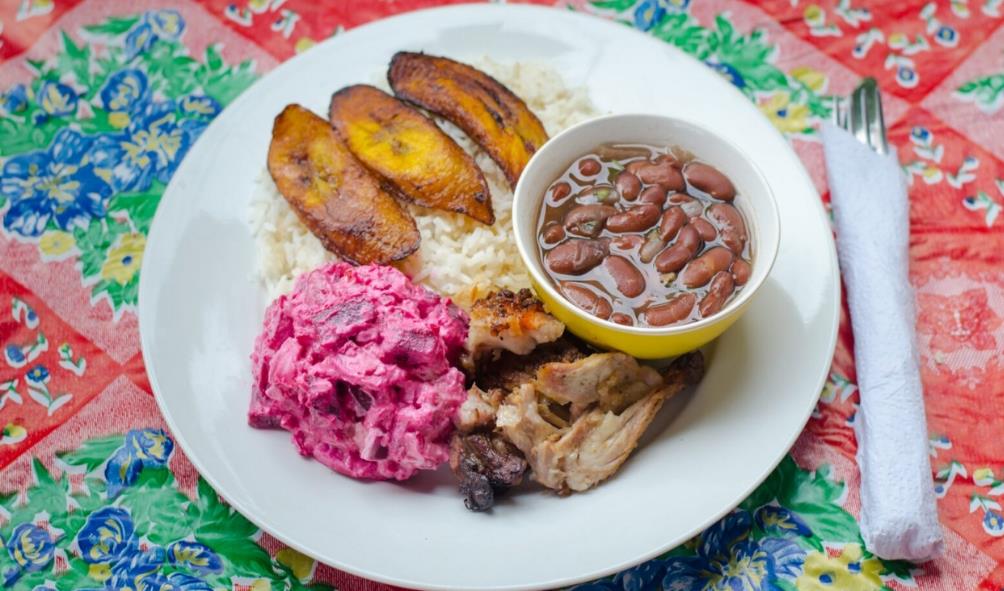
You’ll find staples such as corn, cassava, and various herbs, which create a foundation for traditional meals. The use of natural spices and flavors, often combined with fresh seafood and forest produce, showcases a deep respect for nature.
Traditional cooking methods, like steaming in banana leaves or using clay pots, enhance the flavors and maintain the nutritional value of these foods. Embracing these indigenous influences, you'll taste a vibrant blend of history and culture in every bite.
Sustainable Practices in Food Sourcing
Sustainable practices in food sourcing are essential for preserving Panama's rich biodiversity and cultural heritage. When you choose to support local farmers and fishermen, you help maintain the delicate balance of the ecosystem.
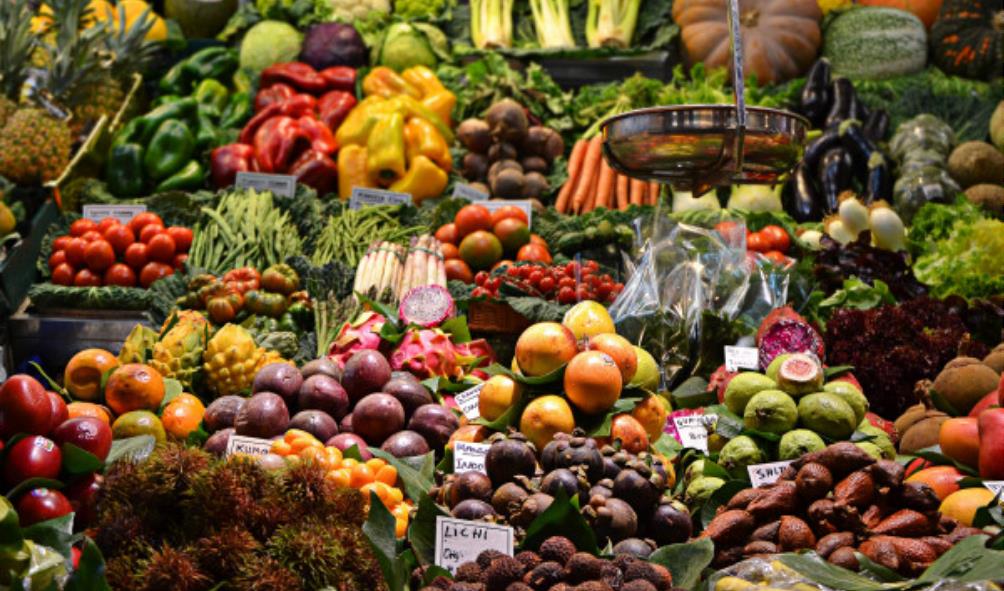
Opting for organic and seasonal produce not only enhances your meals but also reduces the carbon footprint associated with transport and production. Engaging with community-supported agriculture allows you to enjoy fresh, nutrient-dense foods while directly contributing to the livelihoods of local communities.
Seasonal Ingredients and Their Impact on Flavor
When you embrace seasonal ingredients, you not only enhance the flavor of your dishes but also support the local ecosystem.
Fresh fruits and vegetables picked at their peak ripeness burst with vibrant flavors and essential nutrients. You’ll notice that the taste of a sun-ripened tomato in summer is far superior to one grown out of season.
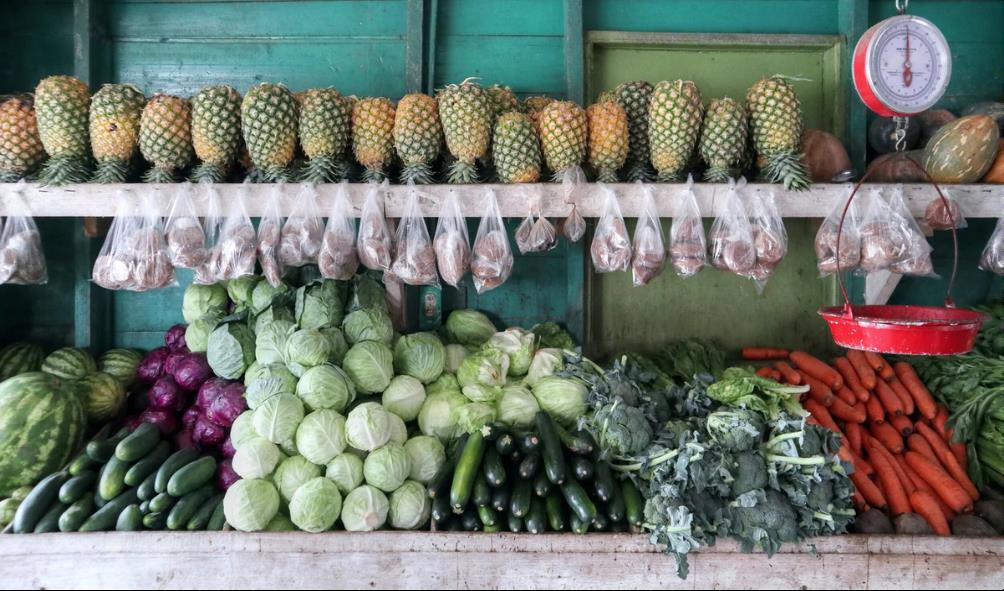
Seasonal ingredients reflect the natural rhythms of the environment, allowing you to experience the unique flavors of each season.
By incorporating these ingredients into your meals, you create dishes that aren't only delicious but also deeply connected to the land.
Plus, you’ll find that cooking with what’s in season can inspire creativity and spark your culinary adventures.
Traditional Cooking Techniques
Embracing seasonal ingredients not only enhances flavor but also opens the door to traditional cooking techniques that celebrate the bounty of the forest and sea.
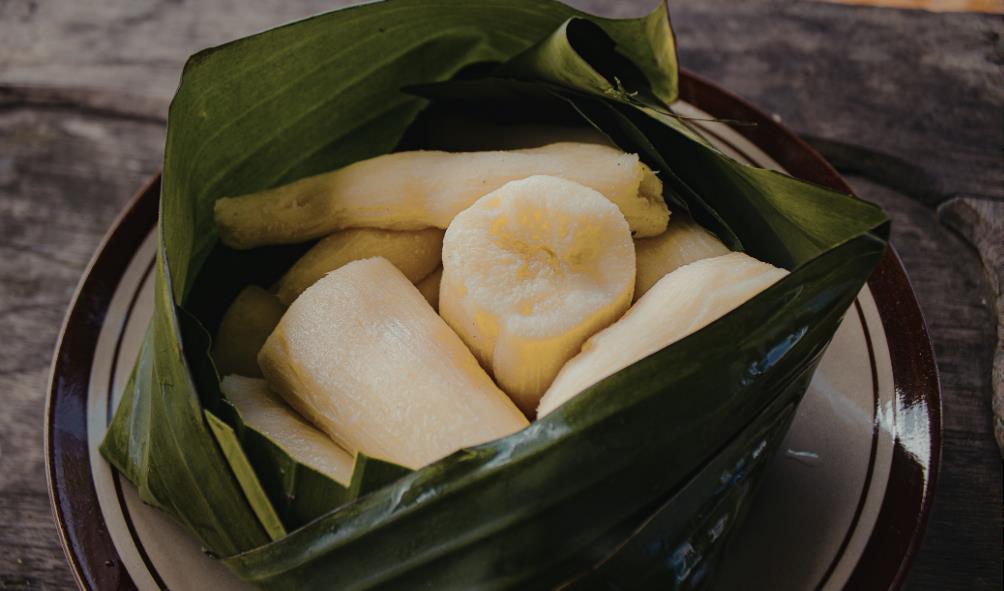
You might find yourself exploring methods like pit roasting, where food is wrapped in leaves and buried in hot coals, infusing it with earthy flavors. Steaming over banana leaves is another technique that preserves moisture and imparts a subtle sweetness.
Don’t overlook the art of marinating; using local herbs and spices brings out the freshness of fish and meat. These practices connect you to the land and sea, creating a sense of place in each dish.
Modern Interpretations of Classic Dishes
As you dive into modern interpretations of classic dishes, you'll discover how chefs creatively reimagine traditional recipes while honoring their roots.
They experiment with local ingredients, blending flavors to create innovative plates that surprise and delight. For instance, you might find a traditional sancocho elevated with artisanal meats and a dash of exotic spices, or a twist on ceviche that incorporates tropical fruits for an unexpected sweetness.
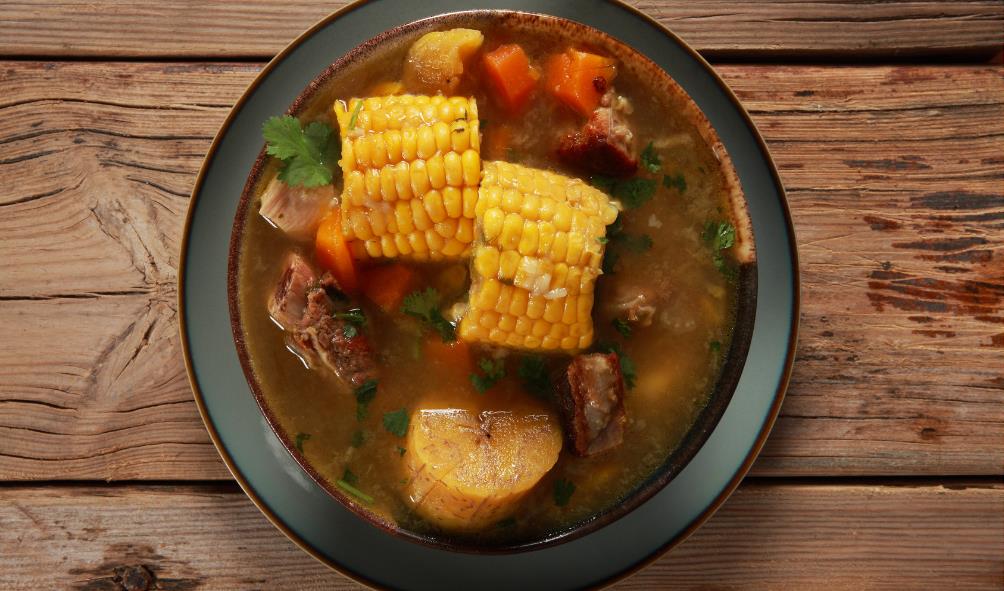
Chefs often play with presentation, turning familiar meals into stunning works of art that engage all your senses.
These modern takes not only pay homage to Panama's culinary heritage but also invite you to experience it in fresh and exciting ways, showcasing the dynamic evolution of the country's vibrant food scene.
Celebrating Culinary Diversity in Panama
Panama's culinary landscape thrives on its rich tapestry of influences, reflecting the diverse cultures that have shaped the nation.
When you explore the local dishes, you’ll discover a delightful fusion of indigenous, African, and Spanish flavors. Each meal tells a story, whether it’s the savory sancocho or the vibrant ceviche.
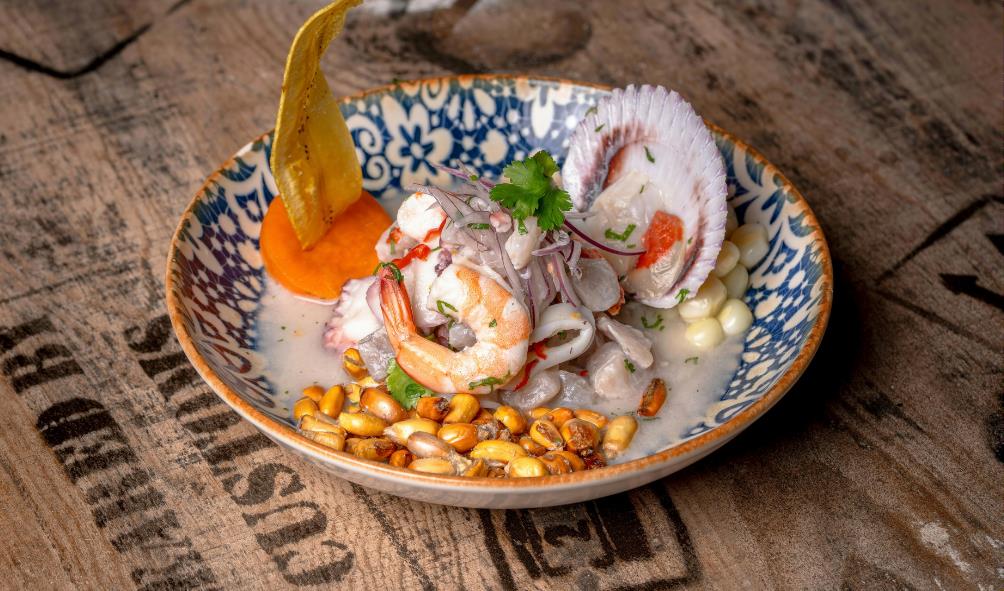
You can savor the unique ingredients sourced from both forest and sea, showcasing the country’s natural bounty. Markets brim with fresh produce, and street vendors offer tempting snacks that capture the essence of Panamanian life.
By embracing this diversity, you celebrate not just food but also the community and traditions behind it.
Conclusion
In exploring Panama's natural culinary heritage, you’ll discover a vibrant blend of flavors that reflect the country's rich ecosystems. By savoring dishes from the forests and seas, you connect with the traditions and sustainable practices that honor this land. Embrace the indigenous influences and seasonal ingredients that elevate each meal, while celebrating the unique culinary diversity that defines Panama. Dive into this delicious journey, and let every bite tell the story of a remarkable culinary legacy.
Statistics
- The Gulf of Panama is one of the most productive fishing areas in the world, yielding over 80,000 metric tons of fish annually, which is a staple in the Panamanian diet.
- Panama's tropical climate supports the growth of cacao, with the country producing over 1,000 metric tons annually, contributing to its reputation for high-quality chocolate.
- Panama is home to over 900 species of birds, and the eggs of some species, like the iguana, are considered delicacies in certain indigenous communities.
- Panama's coastline spans over 2,490 kilometers, providing a rich source of seafood that significantly contributes to the country's culinary heritage.
External Links
- The Food and Agriculture Organization (FAO) Panama provides information on sustainable fishing practices that support the local seafood industry.
- National Geographic's Panama Food Culture article delves into the unique flavors and ingredients found in Panamanian cuisine.
- Yale University's Forest Panama Project discusses the significance of Panama's forests in supporting traditional food systems.
- Panama Tourism's Food Guide offers insights into the diverse culinary traditions influenced by the country's natural resources.
How to Cook Traditional Panamanian Sancocho
Sancocho is a hearty chicken soup that is a staple in Panamanian cuisine. To prepare it, start by gathering your ingredients: chicken pieces, yams, corn on the cob, culantro, onions, garlic, and a variety of local root vegetables. Begin by boiling the chicken in a large pot of water until it is tender. Add chopped onions, garlic, and culantro for flavor. Once the chicken is cooked, incorporate the yams and other root vegetables, allowing them to simmer until soft. Finally, add the corn and continue cooking until all ingredients are tender and the flavors meld together. Serve hot, garnished with fresh culantro leaves, and enjoy the authentic taste of Panama.
Plan the perfect group trip, your way.
Get an instant personalized itinerary. We handle logistics, payments, and provide a dedicated itinerary, while local experts fine-tune every detail. Enjoy full freedom—without the stress of organizing it all.
https://escapetomexiconow.com/tourhero
Recommended Resources:
Discover where freedom, adventure, and opportunity await you.
https://escapetomexiconow.com/
https://escapetomexiconow.info/
https://escapetopanamanow.info/
https://escapetothephilippinesnow.com/
YouTube Channel:
Your next adventure starts here! Join us on YouTube for destination tours, insider advice, and everything you need to make your escape unforgettable.
https://www.youtube.com/@EscapeToMexicoNow